How Quickly Can Mold Spread in Your Home Af ter Water Damage?
When water sneaks into your home, mold doesn’t waste any time. It can start growing in as little as 24 to 48 hours if moisture sticks around and the conditions are right. That means even a small leak can turn into a big problem before you know it. To keep your home and indoor air safe and your repair costs down, it’s important to understand how quickly mold can spread. If you need help fast, getting professional water mitigation can make the difference between a simple cleanup and a full-blown mold issue.
This guide breaks down how quickly mold can take over after water damage, what affects its growth, the early warning signs you should be on the lookout for, and what steps you can take right now. We’ll also cover what the experts recommend, share some real-world examples, and tell you when it’s time to call in a professional team. If you've already had water sneaking into your place, you might want to check out our first 3 days after a home flood guide for some practical steps to recovery.
According to the U.S. Environmental Protection Agency, the best way to keep mold at bay is to control moisture. This goes hand-in-hand with what industry experts say: act quickly to dry things out, control the source, and check all those hidden spots. The takeaway here is simple: the sooner you act, the less chance mold has to spread.
Why Mold Can Spread So Quickly After Water Damage
Mold Only Needs Moisture, Organic Material, and Time
Mold spores are all around us, even indoors. They only become a problem when they find a damp spot to settle and grow. Materials like drywall, wood, carpet padding, ceiling tiles, and even dust can support mold growth once they get wet. This is why a small leak can turn into a visible mold issue in just a few days.
The 24-to-48-hour window is crucial because many home materials soak up water quickly. Drywall can draw in moisture, insulation can trap humidity, and carpet padding can stay damp even when the top seems dry. Hidden dampness behind walls or under floors is especially risky because mold can grow quietly before anyone notices. That’s why professional drying equipment and realistic drying timelines are so important.
Temperature and Humidity Speed Up the Process
Warm temperatures and high humidity create the perfect environment for mold. Areas with poor ventilation or seasonal moisture changes, like basements, laundry rooms, kitchens, and bathrooms, are especially vulnerable. When moisture hangs around, mold spreads fast enough to catch even the most cautious homeowners off guard.
In homes with poor air circulation, even small leaks can turn into major indoor air quality issues. A musty smell is often the first clue that mold is starting to grow, even before you see any visible patches. That smell comes from compounds released by mold as it breaks down damp materials. Once you notice them, it's time to take action.
The 24 to 48 Hour Mold Timeline Explained
What Happens on the First Day
In the first 24 hours after water exposure, surfaces start absorbing moisture, and mold spores begin to settle. You might not see any mold yet, but the conditions for its growth are forming quickly. If the materials are porous and the water is clean, there might still be time to stop mold from taking hold by drying out and ventilating the area immediately. If the water is dirty or the damage is severe, things get more urgent.
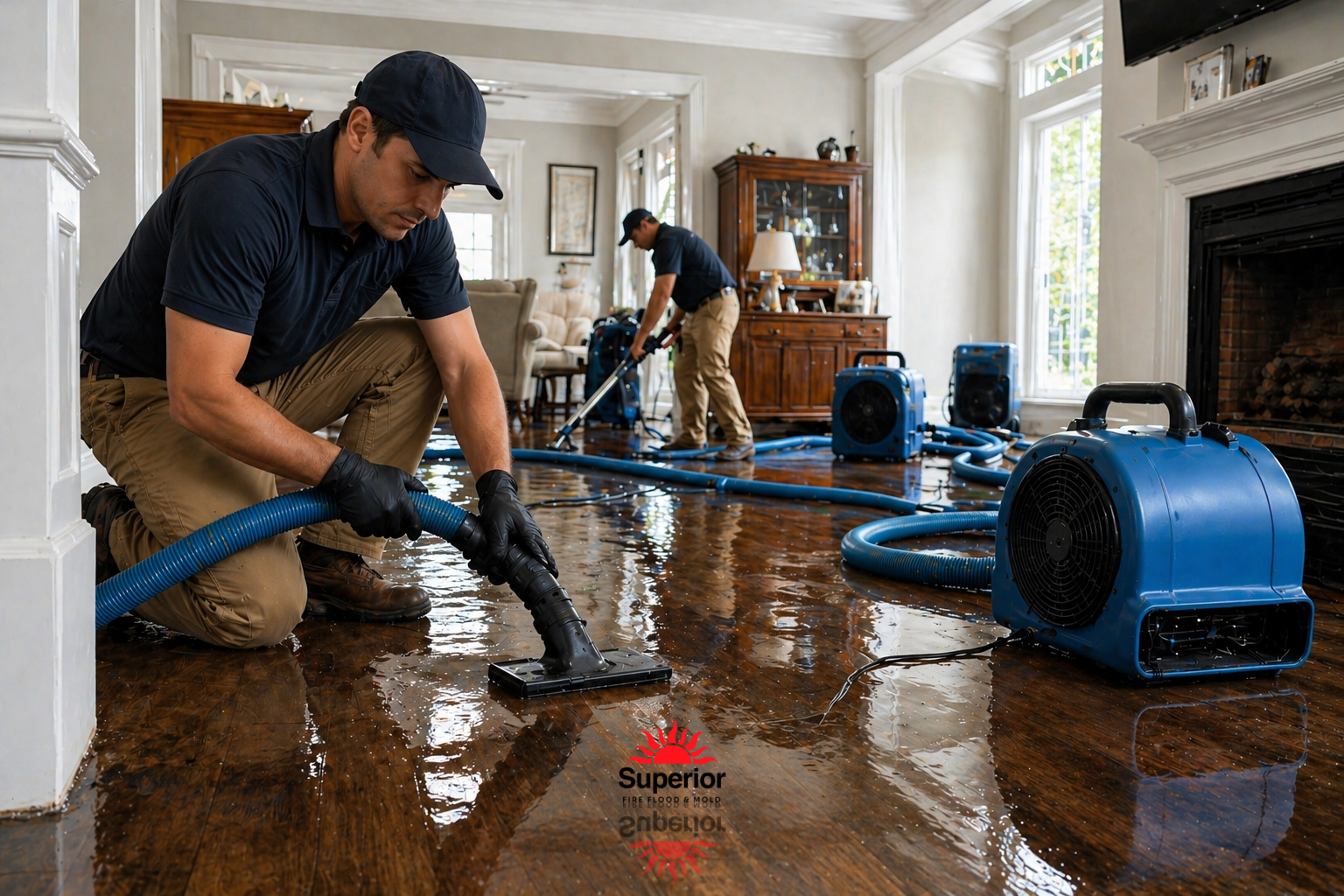
Acting fast with a professional team can save valuable materials. They use special tools to extract water, circulate air, and measure moisture levels to reduce dampness before it seeps deeper into walls and floors. For homeowners, this is the time to focus on stopping the source, removing water, and documenting everything for insurance.
What Happens Between 24 and 48 Hours
After a day, mold spores can start germinating if conditions are right. Many pros see this as the tipping point where cleanup gets much harder. The CDC’s mold guidance emphasizes the importance of controlling moisture to prevent and fight mold. In real terms, every hour counts once water gets in.
If drying hasn't started by now, you might notice soft drywall, warping, peeling paint, or a growing musty smell. These signs indicate moisture is still present and shouldn’t be ignored. At this point, a professional inspection can tell if surface drying is enough or if deeper issues need addressing.
What Happens After Several Days
Visible mold can appear within 3 to 12 days, depending on the material, temperature, and humidity. By the time you see it, the problem might already be bigger than it looks. Mold spreads through spores, air movement, and contact with wet materials, so a small area can quickly affect a larger one if left unchecked.
That’s why you shouldn’t wait for visible mold to act. If water damage is more than two days old and drying wasn’t thorough, the risk of hidden growth increases significantly. Even if everything looks fine on the surface, materials behind walls, under floors, and in cabinets might still be wet enough for mold to thrive.
What Factors Influence Mold Spread in a Home?
Type of Water Intrusion
Not all water damage is the same. A clean water leak from a supply line might be less urgent than a roof leak soaking insulation or a sewage backup, bringing both contamination and moisture. The more materials affected, the faster the mold can spread. Water reaching structural areas poses a much bigger hidden risk than a visible spill on a hard surface.
For instance, a burst pipe in a basement might soak drywall and framing behind walls even if the floor looks dry. A roof leak could drip slowly for days before the stain shows up, giving mold time to grow in attic insulation or ceiling spaces. Hidden leaks often become costly because they last long enough for damage to expand beyond the initial area.
Material Porosity and Building Design
Porous materials like carpet, drywall, paper-backed insulation, and wood soak up moisture easily. Non-porous surfaces like tile or sealed metal dry faster, explaining why mold often concentrates in walls, under floors, and on unfinished wood. Homes with complex layouts, enclosed stairwells, or limited access to plumbing areas are harder to dry, making mold control trickier.
If your home has finished basements or older materials, the risk can be even higher. These spaces often have fewer barriers between moisture and structural components. In these cases, mold remediation specialists use inspection tools and precise demolition to uncover and dry hidden damage before it spreads further.
Ventilation and HVAC Circulation
Airflow can help or hurt the situation depending on how it’s managed. Air movers and dehumidifiers aid drying, but HVAC systems might spread spores if contaminated areas are left open or if filters aren’t handled right. Mold has even been found in ductwork after delayed repairs, especially when roof leaks or high humidity were ignored.
Improving indoor air quality should be part of every water damage response. Keeping humidity in check, isolating affected areas, and preventing cross-contamination are crucial steps. If the HVAC system has been exposed to moisture, a professional check-up is smart before turning it back on.
Early Warning Signs Homeowners Should Not Ignore
Visible Stains and Discoloration
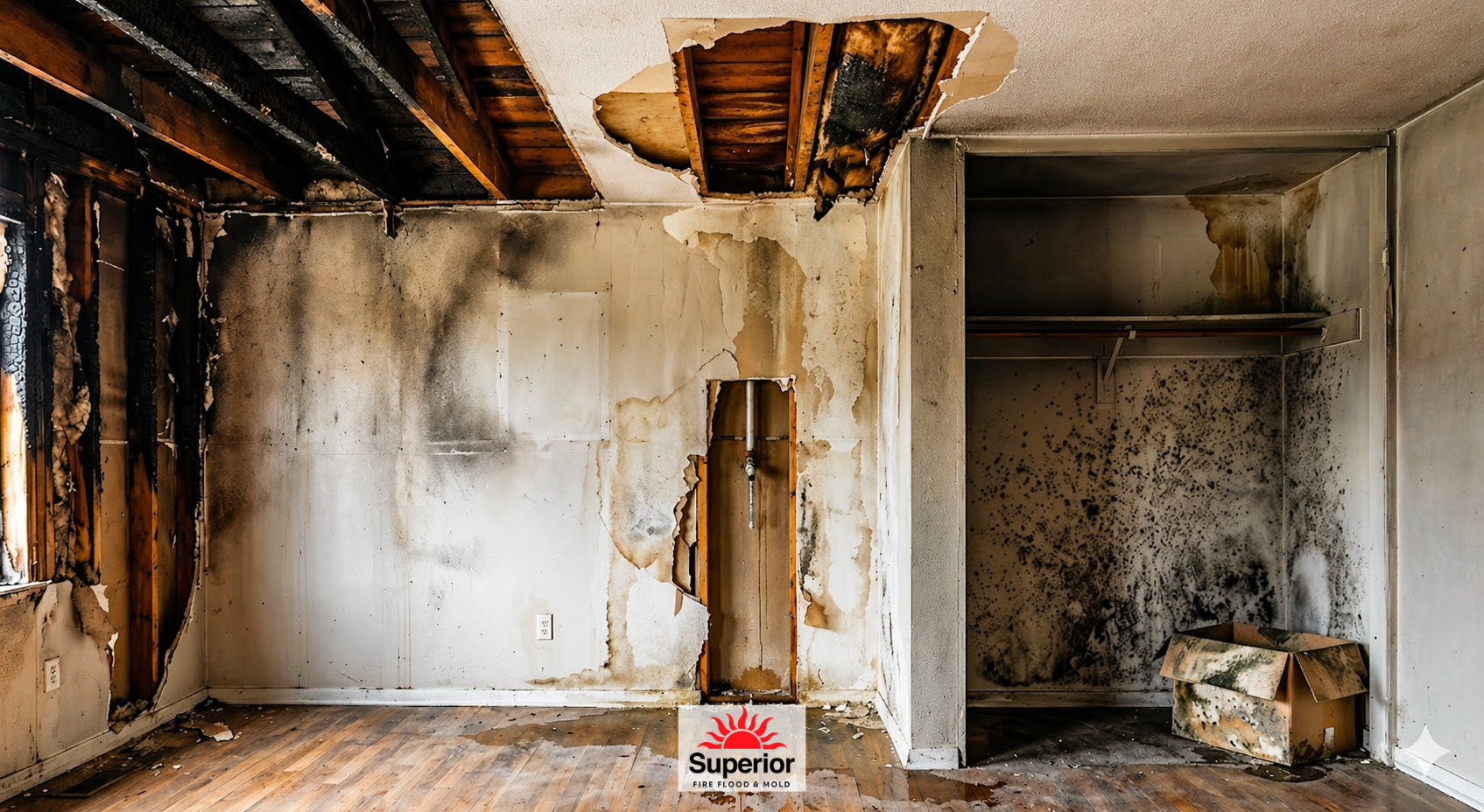
Water stains on ceilings, bubbling paint, soft drywall, and warped flooring often point to active or past moisture issues. Even if these signs seem minor, they can indicate hidden conditions that encourage mold growth. A small stain doesn’t always mean a small problem. It could be the tip of a much larger damp area behind the surface.
If discoloration appears around baseboards, windows, cabinet bottoms, or ceiling joints, get it checked quickly. These are places where leaks, condensation, or overflow events can linger unnoticed. The sooner the source is found, the easier it is to stop mold in its tracks.
Musty Odors and Health Symptoms
A persistent musty smell is a common sign of mold. You might also notice increased sneezing, coughing, watery eyes, headaches, or allergy flare-ups among family members. While symptoms alone don’t confirm mold, they suggest the indoor environment might be compromised. The CDC notes that mold exposure affects people differently, especially those with asthma, allergies, or weakened immune systems.
If multiple people start feeling worse at home and better when away, mold or moisture problems need immediate attention. This is especially true in bedrooms, basements, and other areas where people spend long periods. Health-related symptoms should never be ignored as just seasonal allergies without checking for water damage.
Hidden Moisture and Unexplained Dampness
Sometimes the biggest clue is not what you see but what you feel. Cool walls, damp floors, recurring condensation, or unexplained humidity spikes can all suggest trapped moisture. Modern moisture detection methods make it easier to locate these issues before they become widespread. Restoration teams use moisture meters, thermal imaging, and targeted probing to find hidden wet areas.
If you suspect concealed damage, consider pairing a property inspection with professional mold remediation advice before the problem grows. A careful evaluation can determine whether the issue is still manageable through drying or whether contaminated materials need removal. Acting early can protect both your home and your budget.
Best Practices to Prevent Mold After Water Damage
Respond Within the First 24 to 48 Hours
The most effective step is to act fast. Shut off the water source if you can, remove standing water, and start drying immediately. Even a few hours of delay can allow moisture to reach wall cavities, trim, and subfloors. The quicker the response, the more likely materials can be saved without tearing things apart.
Homeowners sometimes think a room that “feels dry” is safe. But surface dryness can be misleading. Moisture meters confirm that materials are back to normal levels and that hidden damp spots aren’t still feeding mold growth. That’s why professional help often pays off.
Use Professional Drying Equipment
Box fans might help with small spills, but they’re usually not enough after significant water loss. Professional-grade dehumidifiers remove moisture from the air, while air movers push evaporation from wet surfaces into the drying equipment. Together, they reduce the conditions mold needs to spread. This is especially important in concealed areas like wall cavities, under floors, and behind cabinets.
Drying equipment should be placed strategically, not just turned on and forgotten. The room layout, affected materials, and water source all influence how drying proceeds. A proper drying plan often includes daily monitoring, moisture logs, and adjustments until the structure is safe.
Insulate the Problem Area and Monitor Moisture
Monitoring moisture isn’t optional after significant water loss. Restoration pros track readings over time to ensure drying is progressing, and materials aren’t re-wetting. If a wall cavity or underlayment stays damp, it might need opening or removal. This data-driven approach prevents false confidence and helps stop mold from spreading further.
For homeowners, the lesson is to avoid premature cleanup closure. A room may look restored, but if readings are still high, mold can continue growing out of sight. That’s why experienced technicians rely on both equipment and documentation throughout the process.
Real-World Examples of Mold Spread After Water Damage
Residential Burst Pipe Case
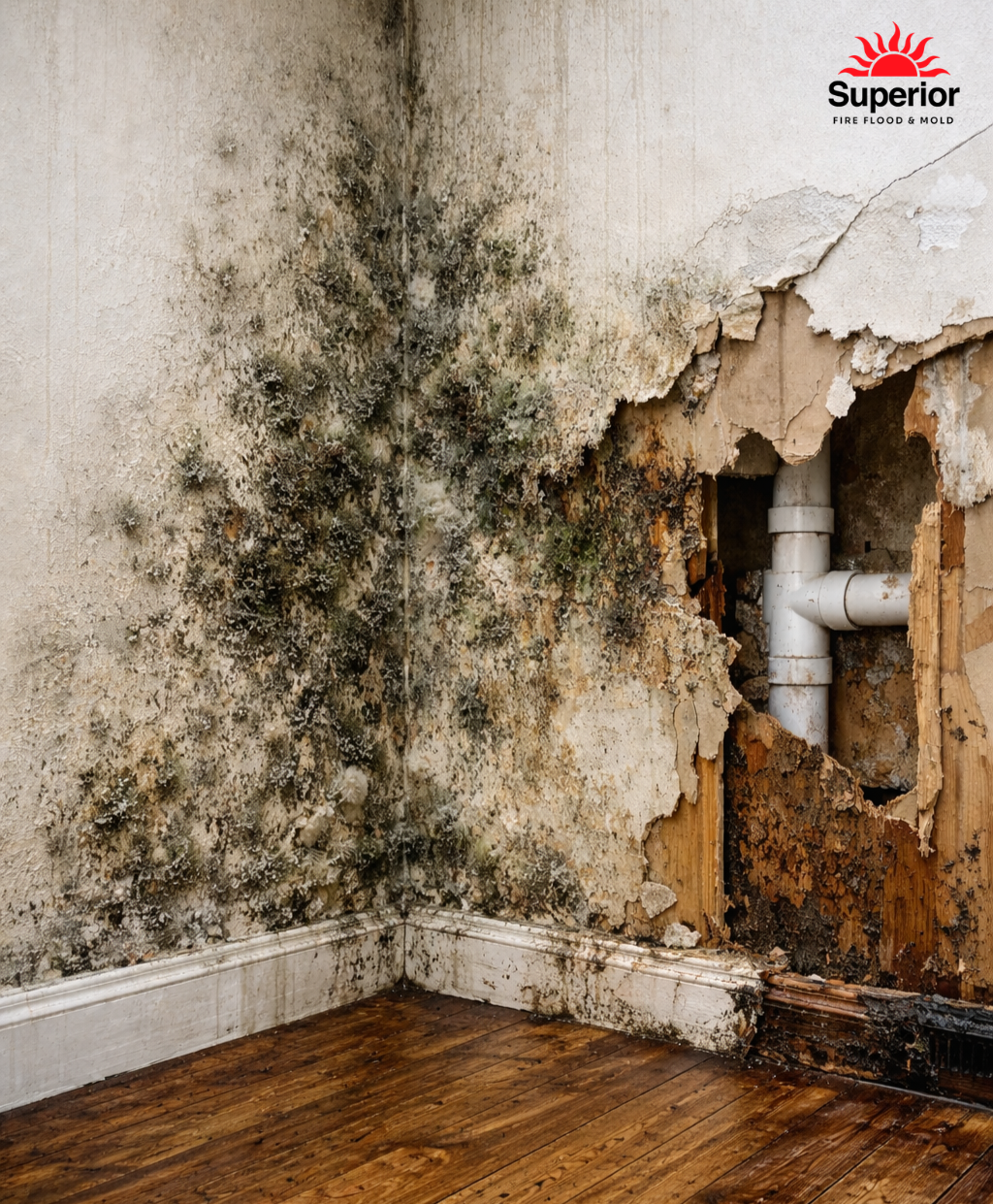
Take a common case: a homeowner finds a burst pipe in the basement, dries the floor, and assumes the wall is fine because no visible water remains. A musty odor appears within a week, and dark spots start near the baseboard. A professional check reveals hidden moisture inside the wall cavity, where insulation and framing stayed damp. The result is a bigger cleanup than expected.
This kind of case shows why hidden damage matters more than surface appearance. A small visible incident can lead to a larger structural cleanup if moisture gets trapped in a cavity. Professional drying and opening of affected materials early on can prevent that chain reaction.
Commercial Roof Leak Case
In a commercial building, a slow roof leak may go unnoticed long enough to affect insulation, ceiling tiles, and even HVAC components. Once spores reach ductwork or humid areas, air quality can deteriorate quickly. Tenants may begin reporting odor complaints or health concerns before the source is found. By then, the restoration scope often includes both mold remediation and mechanical system evaluation.
This is why commercial property managers need a disciplined response plan. Delayed repairs can affect operations, compliance, and occupant health. Quick detection and coordinated mitigation help prevent mold from moving through multiple parts of the building.
When to Call a Professional Restoration Team
Any Water Damage That Lasts More Than a Day
If materials have stayed wet for more than 24 hours, it’s smart to call in the pros. Mold doesn’t wait for a convenient time, and hidden contamination can spread even while the room looks stable. A qualified restoration team can identify affected materials, recommend drying or removal, and document progress carefully. If the loss is significant, professional water mitigation is the first step toward stopping further damage.
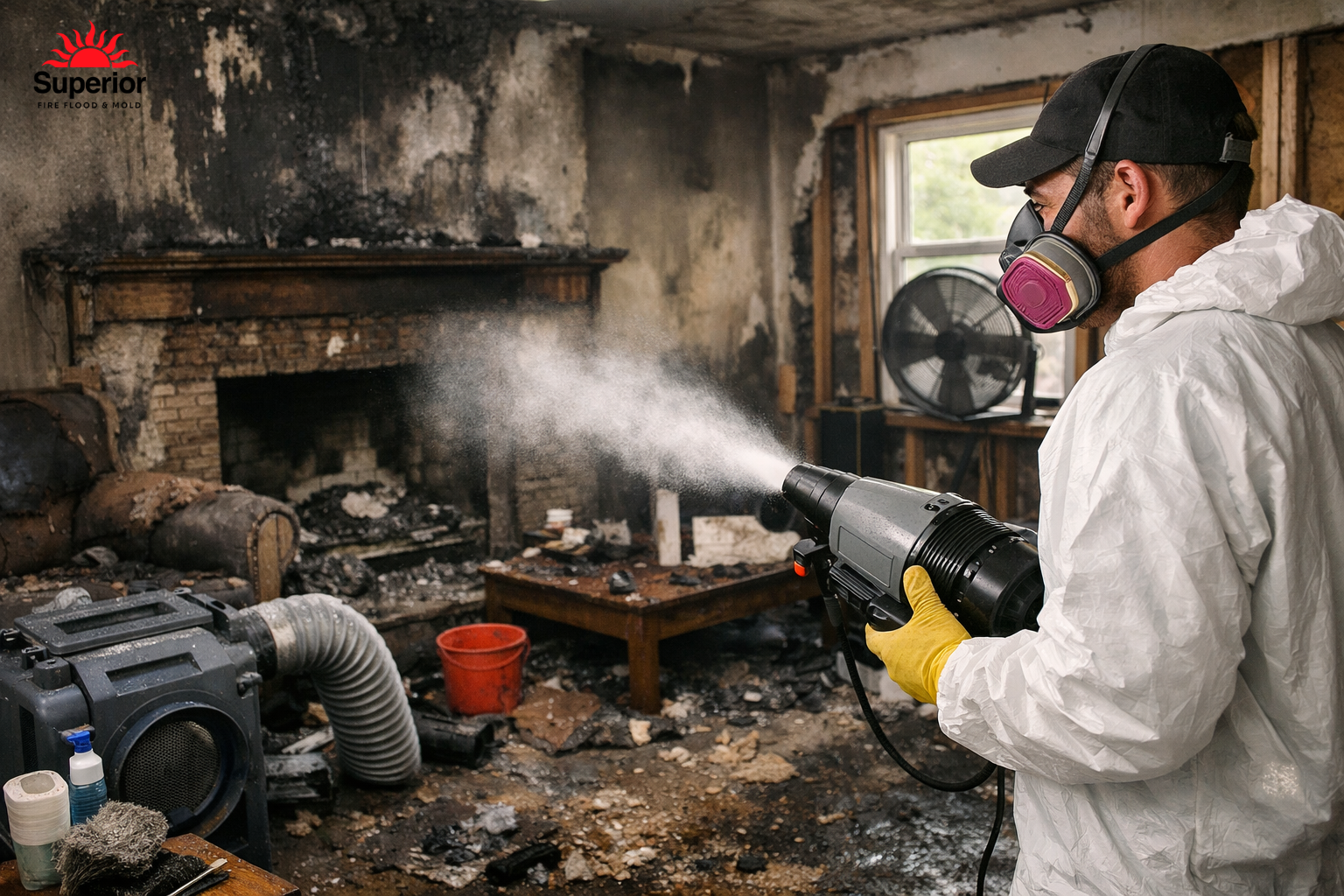
Professionals also help reduce the risk of cross-contamination. They know how to isolate work areas, protect unaffected spaces, and manage the drying sequence so spores don’t spread throughout the property. That level of control is hard to achieve with DIY methods alone.
If You Suspect Contamination Behind Walls or Under Floors
Any sign of hidden moisture, peeling trim, warped flooring, or recurring odors should trigger a deeper inspection. In some cases, targeted removal is necessary to access and dry concealed materials. If mold is already present, remediation specialists can determine the scope of contamination and outline a safe plan for cleanup and repair. If the issue is in a finished basement or another hard-to-reach area, prompt action matters even more.
For property owners who want a more detailed process explanation, our complete restoration process guide breaks down how mitigation, drying, and repairs work together. That broader view can help you make faster and more confident decisions when damage occurs.
Frequently Asked Questions About Mold Spread After Water Damage
Can Mold Grow Behind Walls?
Yes. Mold frequently develops behind walls, under flooring, inside cabinets, and in other hidden spaces where moisture lingers. These areas may be out of sight for days or even weeks, which allows growth to progress before it is discovered. That’s why inspections and moisture testing are so important after water intrusion.
Is Black Mold More Dangerous Than Other Mold?
All mold types can pose health risks, especially for sensitive individuals. While black mold gets more public attention, the CDC notes that the main concern is exposure to mold itself and the conditions that allow it to grow. The safest approach is to treat all visible or suspected mold seriously and address moisture quickly.
How Do I Know If I Have Mold in My Home?
Common signs include musty odors, visible growth, water stains, worsening allergies, and soft or warped materials. If you recently had water damage, these symptoms should not be ignored. A professional inspection can confirm whether mold is present and whether hidden moisture remains.
Can I Dry the Area Myself?
For very small spills, you may be able to dry the area safely if you act immediately. However, anything involving soaked drywall, insulation, flooring, or a leak that has lasted more than a day often requires professional equipment and testing. The risk of missed moisture is too high to rely on visual inspection alone.
Protect Your Home Before Mold Spreads
Act Fast, Dry Thoroughly, and Verify Results
The best defense against mold after water damage is a simple one: respond quickly, dry completely, and confirm the structure is actually dry. Mold can start growing within 24 to 48 hours, but early mitigation can stop the problem before it expands. If your home has experienced a leak, flood, or plumbing failure, don’t wait for visible growth to appear.
When moisture has already spread, experienced help can make a major difference. In addition to mold remediation, property owners should consider preventive steps that improve indoor air quality and reduce future moisture risks. For especially vulnerable spaces like basements, it is wise to review our practical mold prevention guide for long-term protection tips.
At Superior Fire Flood and Mold, our certified technicians help homeowners and businesses respond quickly to water damage, reduce the risk of mold spread, and restore safe conditions with proven methods. If you need support, the right time to act is now. A fast response today can save time, money, and stress tomorrow.
Need help after water damage? Contact our team to discuss your situation and get expert guidance before mold has a chance to spread further.