How Long Does It Really Take to Dry After Water Damage?
Dealing with water damage isn't just about waiting until things look dry. Water can sneak behind walls, under floors, and into insulation, causing problems long after the obvious signs are gone. Whether you're a homeowner or a business owner, understanding how long it really takes for everything to dry out can help prevent mold and make those first few days a bit less stressful. If you need quick assistance, our water mitigation services are here to help stop damage in its tracks and set you up for a smooth recovery.
So, how long does it take? Well, it depends on things like the size of the water issue, what got wet, the humidity, how much air you can move around, and how fast you start the drying process. Small leaks might dry up in a day or two, but a flooded basement could take a week or more. The CDC says controlling moisture is key to avoiding mold, so quick action is crucial. Let's dive into what affects drying time and how professionals use special tools to speed things up.
What Really Controls Drying Time After Water Damage?
The type and amount of water involved
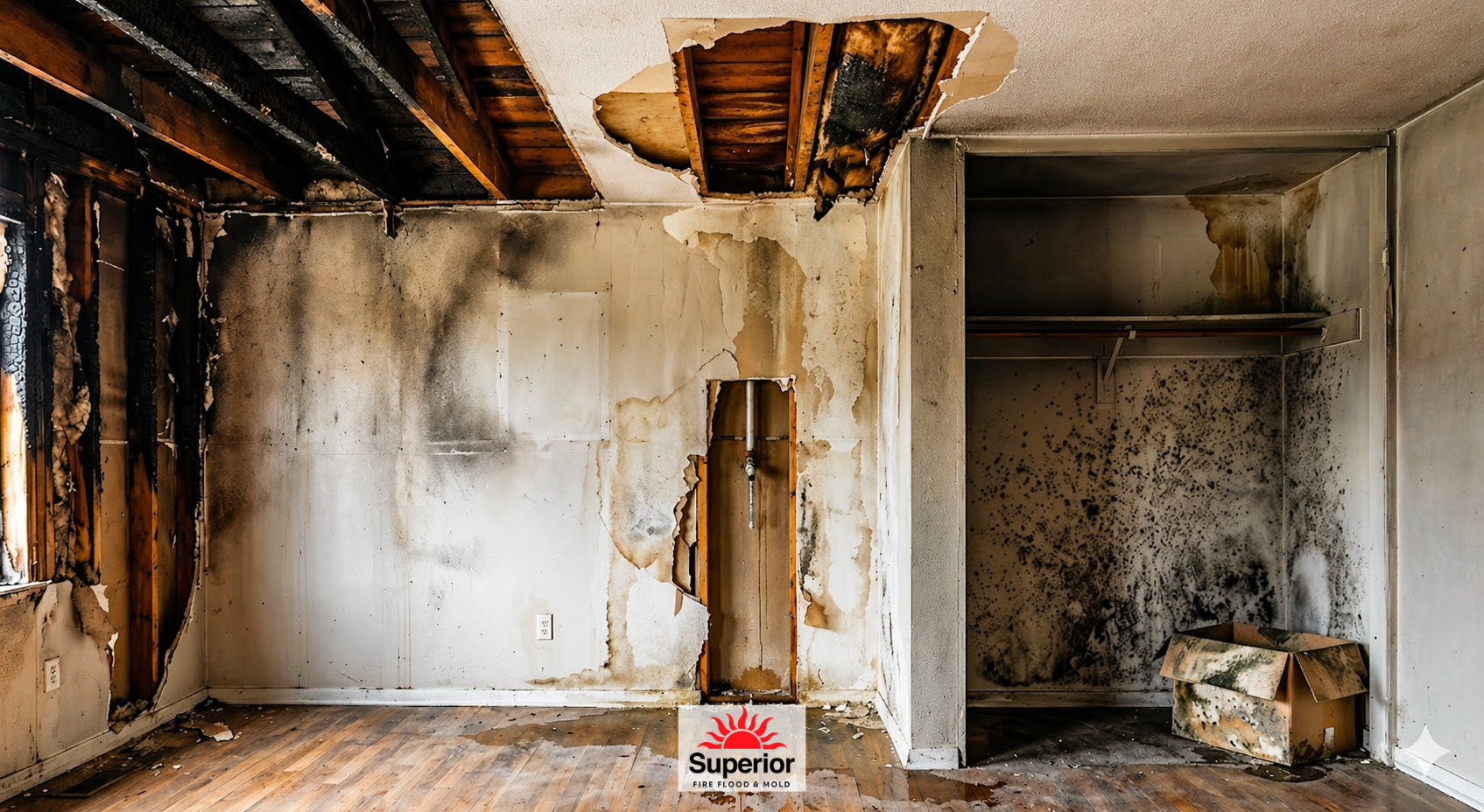
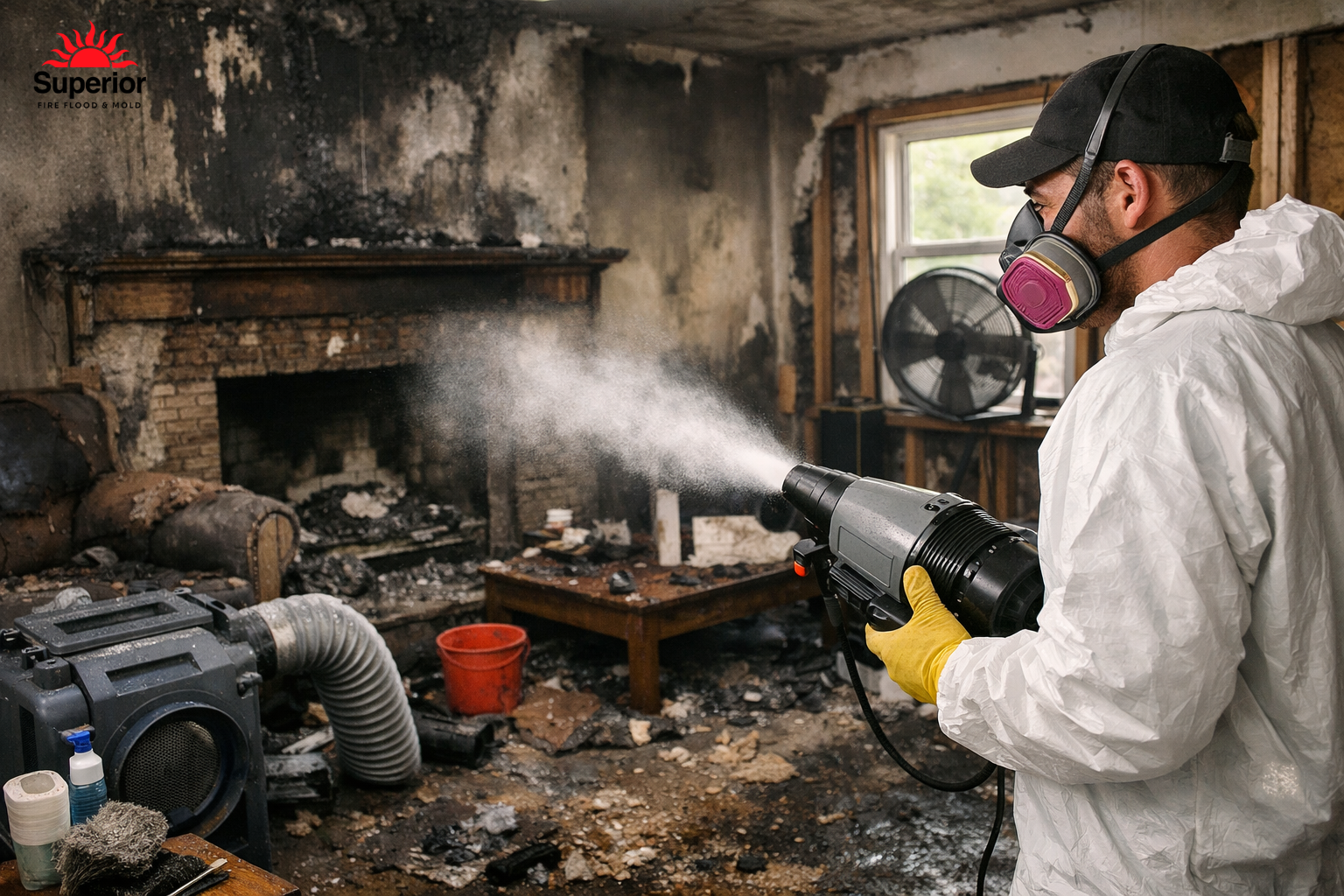
The kind of water and how much there is can really change how long drying takes. A small leak might only affect a bit of drywall, while a burst pipe can soak multiple rooms. Clean water from a broken pipe is usually easier to dry out than dirty water, which needs more cleaning up before you can even start drying. If there's contamination, you might need mold remediation or similar steps before you can finish the restoration.
The materials that absorbed moisture
Different materials dry at different rates. Nonporous stuff like tile and metal dry quickly, but porous materials like carpets and wood hold moisture longer. Hardwood floors can warp if they don't dry fast enough, and drywall can look fine on the outside while still being wet inside. The more absorbent the material, the more you need to keep an eye on both what you can see and what's hidden.
Temperature, humidity, and airflow
Drying is all about balancing evaporation and dehumidification. Warm air holds more moisture, moving air speeds up evaporation, and dehumidifiers pull moisture out of the air so it doesn't settle back into your home. In a place like Missoula, where the weather can change quickly, controlling indoor conditions is key. Even if an area looks dry, high humidity can slow things down or make materials wet again if you don't use the right equipment.
Typical Drying Timelines for Water-Damaged Properties
Minor water damage: 1 to 3 days
Minor damage usually means a small leak or limited moisture that hasn't spread much. If you act fast and start professional drying quickly, you can often get things dry in one to three days. But remember, quick action is essential because mold can start growing within 24 to 48 hours, especially if moisture is stuck in a warm or poorly ventilated spot.
Moderate water damage: 3 to 5 days
Moderate damage might come from burst pipes or leaking appliances, affecting multiple materials. Drying takes a few days here because you have to remove water, place air movers, and keep track of progress with moisture meters. Some areas might dry faster than others, but the job isn't done until everything is at acceptable moisture levels. This is where professional water mitigation saves time and prevents further damage.
Severe water damage or flooding: 5 to 7 days or longer
Severe damage takes the longest because it often involves multiple rooms and a higher chance of contamination. A flooded basement might need water extraction, demolition of unsalvageable materials, cavity drying, and repeated checks before it's truly dry. Sometimes it takes over a week, especially if the property is large or heavily saturated. For more on what to do during the first days after a flood, check out this guide.
Why Fast Response Matters in the First 24 to 48 Hours
Mold risk starts quickly
The first two days after water exposure are crucial for limiting long-term damage. Quick drying is vital because mold growth and material damage can start fast. The EPA stresses that controlling moisture is key to mold prevention, and wet materials left too long can be a bigger problem than the initial leak. That's why waiting to see if an area dries by itself isn't usually a good idea.
Structural materials weaken over time
Water doesn't just create a moisture issue; it weakens the materials holding your home together. Wood can swell, drywall can lose strength, adhesives can fail, and subfloors can soften. The longer these materials stay wet, the more likely they'll need repair or replacement instead of just drying out. Early intervention isn't just convenient; it's about preserving your home and reducing repairs.
Odors and contamination become harder to manage
When water sits too long, odors and contamination risks rise. Wet insulation and soaked carpet pads can create musty smells that linger even after surfaces dry. If the water is contaminated, the risks are higher and may require professionals to handle it safely. For more on why drying is just part of the bigger recovery picture, check out this guide.
How Professionals Speed Up Drying
LGR dehumidifiers and high-velocity air movers
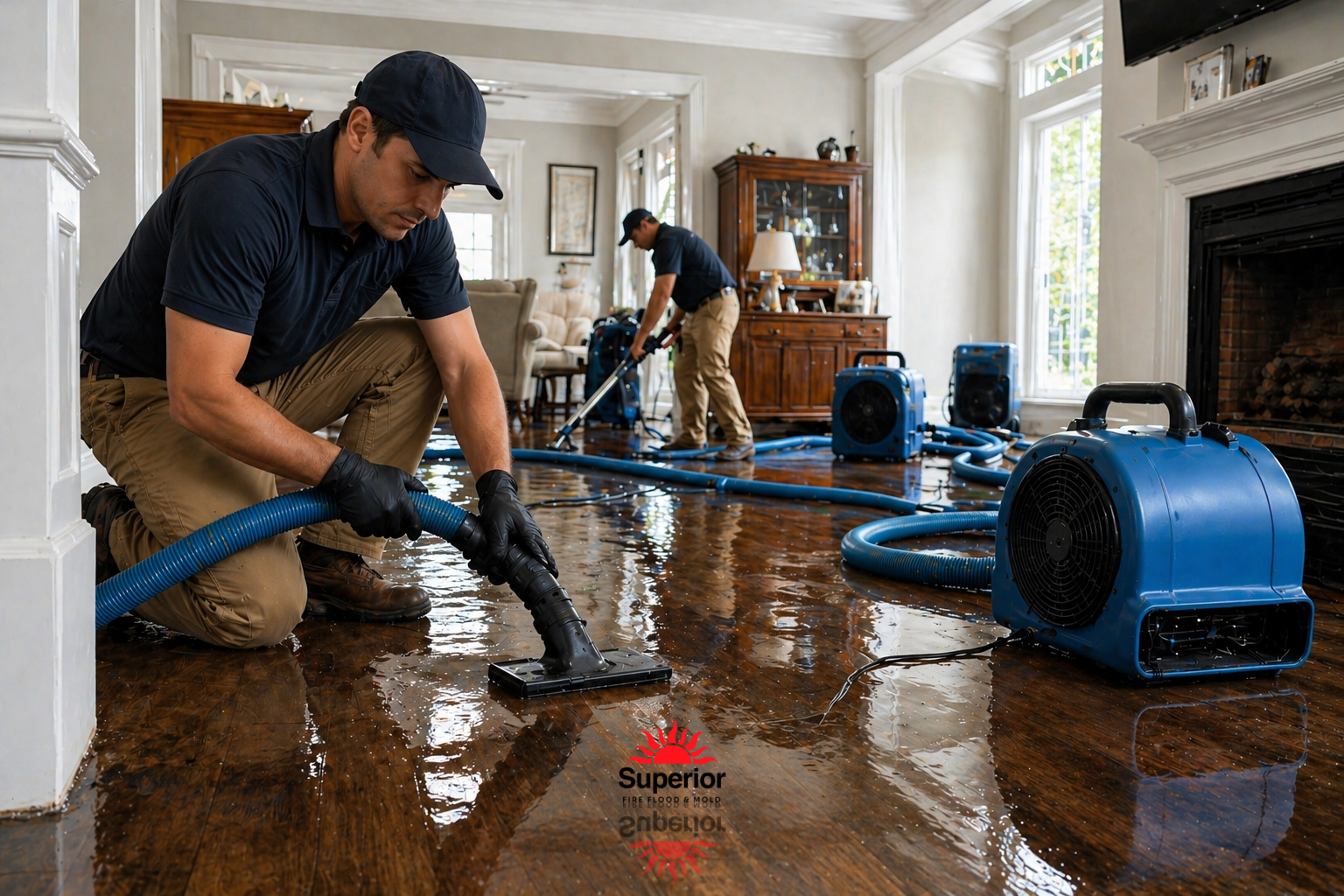
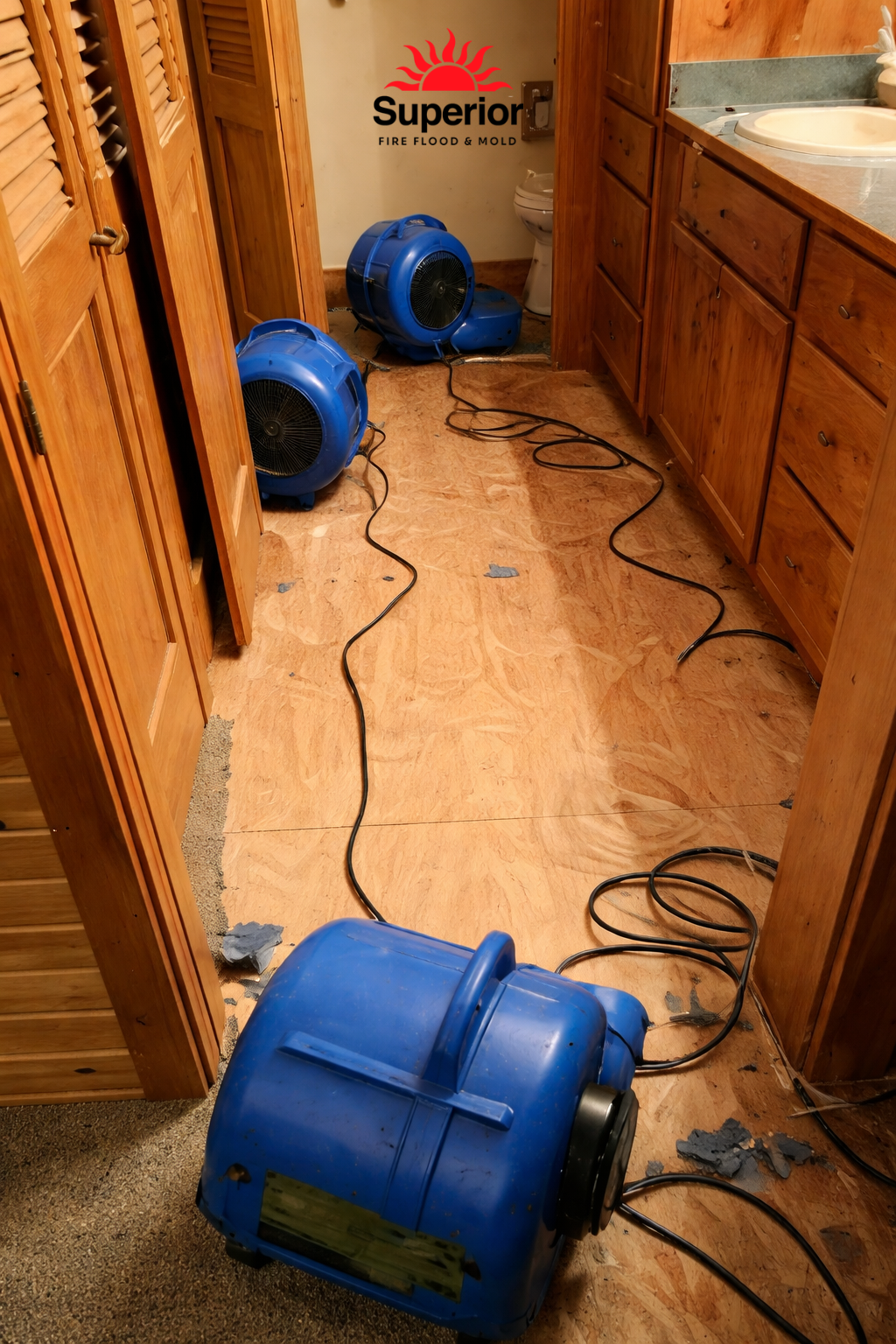
Modern restoration equipment has changed the game. LGR dehumidifiers work well even in tough conditions, helping materials dry faster. High-velocity air movers speed up evaporation by pushing air over wet surfaces, making moisture leave materials more quickly. Together, these tools can cut drying time significantly compared to just household fans.
Moisture mapping and thermal imaging
Finding hidden moisture early is one of the biggest advances. Technicians use moisture meters, mapping tools, and thermal imaging cameras to spot damp areas inside walls and under floors. This is important because hidden moisture can keep your home from truly drying, even if surfaces look fine. These tools ensure the drying plan targets the right areas instead of guessing.
Controlled demolition when needed
Sometimes the fastest way to dry a place is to remove materials that can't be saved. Wet carpet pads, saturated drywall, and damaged insulation might need removal so the framing and substructure can dry properly. While demolition sounds drastic, it often prevents bigger losses by opening up spaces and stopping hidden moisture from lingering. The goal is always to save as much as possible, but when materials are beyond recovery, removing them early can shorten the timeline.
Best Practices That Help a Property Dry Faster
Act immediately and remove standing water
Start by getting rid of standing water fast. The sooner you do this, the less time it has to soak deeper into building materials. Even a few hours' delay can make a big difference in how much moisture spreads. If it's safe, turn off the water source, move belongings out, and contact a restoration professional quickly.
Use ventilation, dehumidification, and monitoring together
Opening windows and running fans can help, but they usually aren't enough for serious damage. Effective drying needs a system: air movement to speed evaporation, dehumidification to remove moisture from the air, and monitoring to check progress. Your property shouldn't just "feel" dry; it should be measured until moisture levels are back to normal. This is especially important when drywall or flooring might still hold hidden moisture.
Protect against mold while materials dry
Fast drying is a great mold prevention strategy, but other steps help too. Keep humidity low, remove wet items quickly, and separate salvageable things from unsalvageable materials. If you think mold has started, call a professional for an evaluation. For more prevention tips, see this guide.
Real-World Examples of Drying Timelines
Residential burst pipe case
A homeowner with a burst pipe in the basement acted fast, starting water extraction within 12 hours. The area was isolated quickly, and professional drying equipment was in place the same day. The basement was fully dry in about four days, with no mold developing due to the quick response and monitoring. This shows how a fast response can keep a moderate problem from turning into a major repair.
Commercial flood case
A retail store flooded from heavy rains and needed to reopen quickly. Industrial dehumidifiers and air movers were used right away to dry the sales floor and storage areas. The store reopened in five days, limiting revenue loss and maintaining customer trust. In commercial settings, drying time isn't just about restoration; it's about keeping business running.
Why documentation matters in both cases
In both residential and commercial losses, good documentation helps make informed decisions. Moisture readings, equipment logs, and photos track progress and explain why certain materials were removed or kept. Good records also make it easier for insurance adjusters and property owners to understand why drying took as long as it did.
When to Call a Professional Instead of Waiting
If the water is contaminated
Any water loss involving sewage, floodwater, or other contamination should be handled carefully. These situations carry higher health risks and often require specialized cleaning and drying. Professionals know how to safely remove affected materials and prevent hazards. If you're unsure about the water source, it's better to be cautious from the start.
If moisture is hidden in walls or floors
A common mistake is thinking a space is dry just because it looks normal. Hidden moisture can stay in wall cavities or beneath floors, causing slow damage and mold growth. Professional inspections with moisture meters and thermal imaging can reveal these issues. If drying seems to stall or odors persist, hidden moisture is often the culprit.
If the damage is larger than a small room
As the affected area grows, so does the drying process's complexity. More rooms mean more equipment and monitoring. If the damage is extensive, getting professional help quickly can reduce downtime and prevent missed moisture pockets. Our team in Missoula provides responsive restoration support to stabilize structures and move drying forward efficiently.
How to Protect Your Property While It Dries
Keep traffic and movement to a minimum
Foot traffic can slow drying and spread moisture to unaffected areas. Keep people and pets out unless they're helping with cleanup. Moving wet furniture without a plan can also create more damage. A controlled environment helps make the drying process more predictable and effective.
Monitor progress instead of relying on appearance
Dry surfaces don't always mean dry materials. That's why technicians track moisture levels over time instead of just relying on appearance. A room might look dry one day, then show higher moisture levels the next. Consistent monitoring is the best way to know when drying is truly complete.
Address the source of water before reopening the area
Before replacing flooring or moving belongings in, make sure the problem's source is fixed. If a plumbing leak or drainage issue isn't corrected, the same area might get wet again. For properties with repeated water issues, long-term prevention might include drainage improvements or structural repairs. A full response should address both the damage and the cause.
Frequently Asked Questions About Water Damage Drying
How can I speed up the drying process?
Start by removing standing water quickly, then improve airflow and reduce humidity. Open windows if outdoor conditions help, and use dehumidifiers when needed. Fast drying usually comes from professionals using a mix of extraction, air movement, and monitoring.
Can I just use fans and wait?
Fans help, but they're often not enough. Without dehumidification, moisture might just move around instead of leaving the structure. Fans alone can't find hidden dampness inside walls or under floors. If the damage is more than a minor spill, relying on fans can prolong drying and increase mold risks.
How do I know when my property is really dry?
The only reliable answer comes from moisture readings. Restoration professionals compare affected materials against normal conditions to verify moisture levels are back to normal. If you still smell mustiness or notice damp areas, more drying might be needed even if the room looks dry.
Conclusion: Drying Time Depends on Action, Materials, and Expertise
So, how long does it really take to dry after water damage? Minor cases might take one to three days, moderate damage three to five days, and severe flooding a week or longer. The biggest factors are how fast you start drying, what materials got wet, and whether professional equipment is used to manage airflow and hidden moisture. The sooner you start, the better chance you have of saving materials, avoiding mold, and cutting repair costs.
If you're dealing with water damage now, act fast and get the right help. A quick, professional response can turn a long, expensive project into a short drying job. For expert help with water mitigation or mold concerns, contact Superior Fire Flood and Mold at (406) 519-3357 or visit our website. Every hour counts, and having a certified team on your side can protect your property and help you move forward with confidence.