Why Getting Rid of Smoke Odor Matters
After a fire is out, the struggle isn't over. Even when you clear out the debris and start repairs, the smell of smoke can linger, making the space feel uncomfortable and unhealthy. Removing smoke odor isn't just for appearances; it's key to restoring air quality and making a place feel like home or a business again. If you're looking into fire damage restoration, knowing how smoke odor is tackled can help you get better results and set realistic expectations.
Smoke particles are tiny and can get everywhere. They can settle in drywall, insulation, furniture, HVAC systems, and even sneak into hidden spots inside walls. That's why regular cleaning often doesn't cut it. The National Fire Protection Association says that U.S. fire departments handle thousands of home fires each year, many leaving behind tough odors that need careful handling. Smoke odor removal can be the difference between a space that looks fixed and one that truly feels livable again.
At Superior Fire Flood and Mold, we get that fixing up a place means more than just swapping out materials. It involves finding where the smoke traveled, picking the right ways to deodorize, and restoring the place to ensure lasting safety and comfort. In this guide, we'll dive into why smoke odor sticks around, the latest ways to get rid of it, and how the pros handle it from start to finish.
Why Smoke Odor is Tough to Beat
Smoke Gets Everywhere
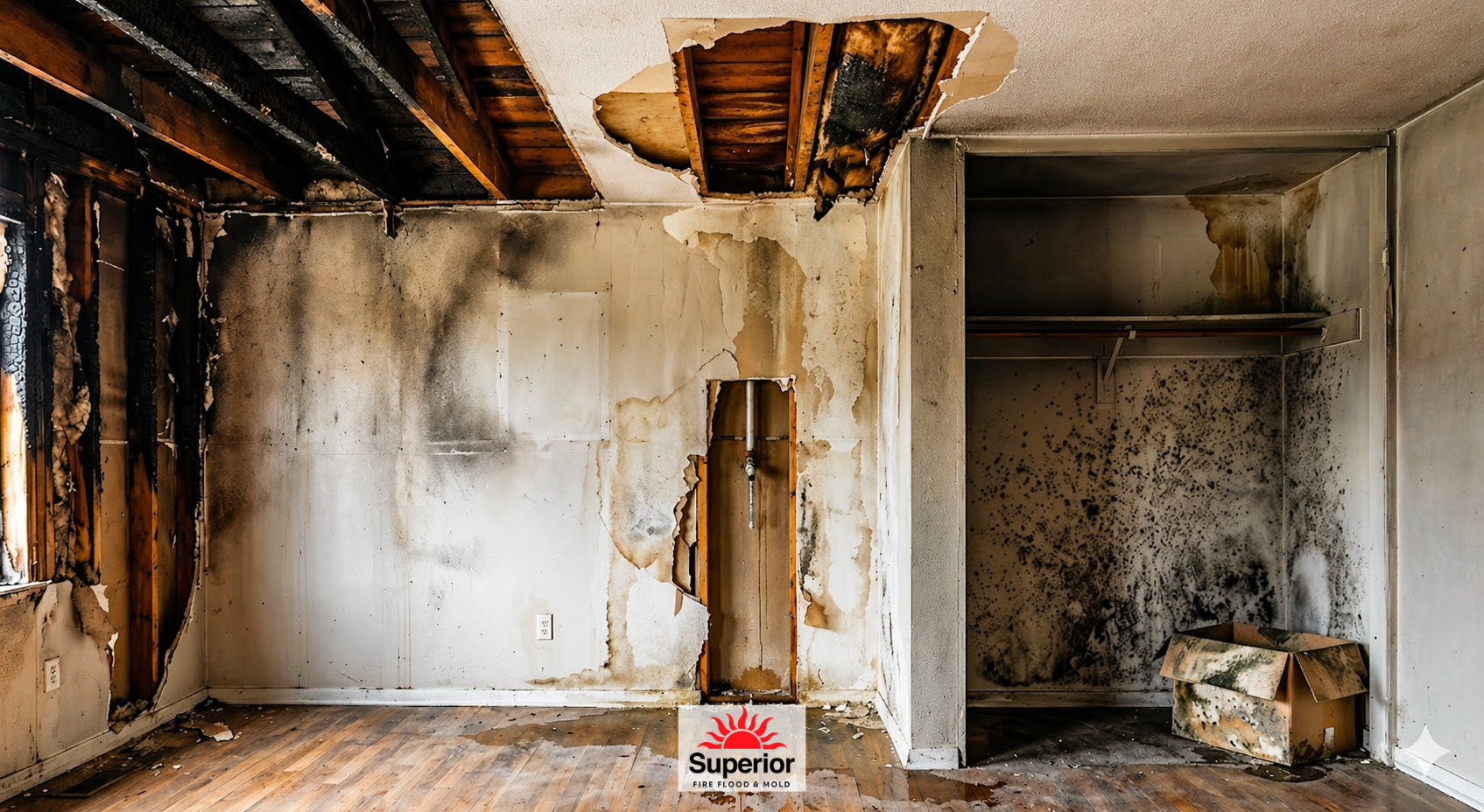
Smoke doesn't just hang around where you can see it. It moves with air, clings to surfaces, and gets into porous materials, holding onto the smell for weeks or months. Things like wood framing, insulation, carpet padding, fabric upholstery, and unfinished drywall are especially prone to this. So, a room might look clean after a fire but still have that strong, unwanted smell that just keeps coming back.
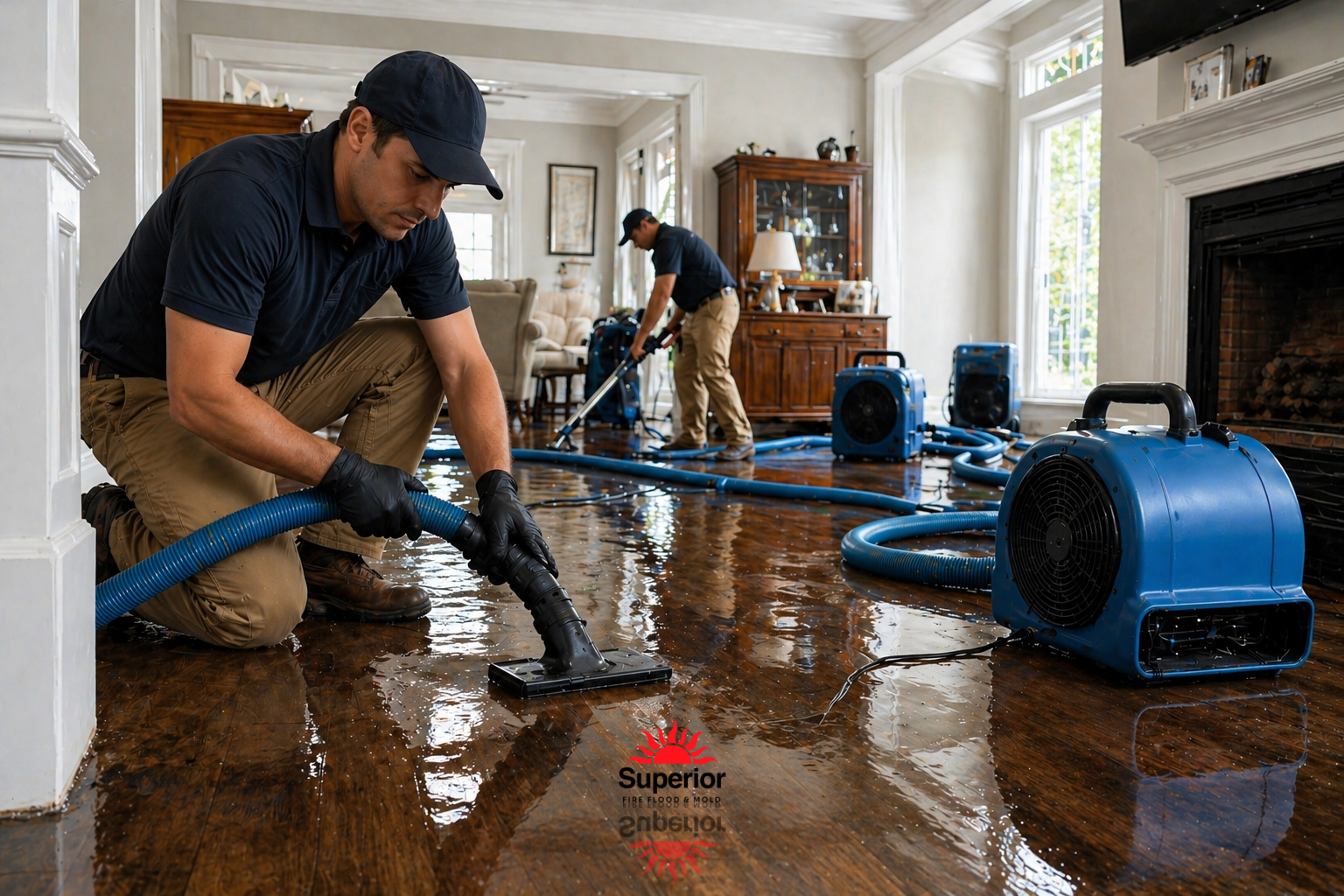
This is especially crucial when dealing with water mitigation after firefighting efforts, as moisture can make odors worse and create more damage. If moisture isn't dealt with properly, controlling odors becomes harder, and the property might face more challenges. That's why a thorough assessment is more effective than just a quick cleanup.
Odor Particles Stick Tight
Smoke residue has tiny particles, volatile compounds, and sticky stuff from burning. These can stick to surfaces and keep releasing odor long after the fire's out. Regular cleaners might get rid of some residue on hard surfaces, but they rarely reach the deep-down contamination in porous materials or hidden systems.
The U.S. Environmental Protection Agency notes that indoor air quality can suffer from pollutants trapped in buildings, especially after events like fires. This matters because smoke odor isn't just about smell; it's often a sign that contamination is still there.
New Ways to Tackle Smoke Odor
Thermal Fogging for Hard-to-Reach Areas
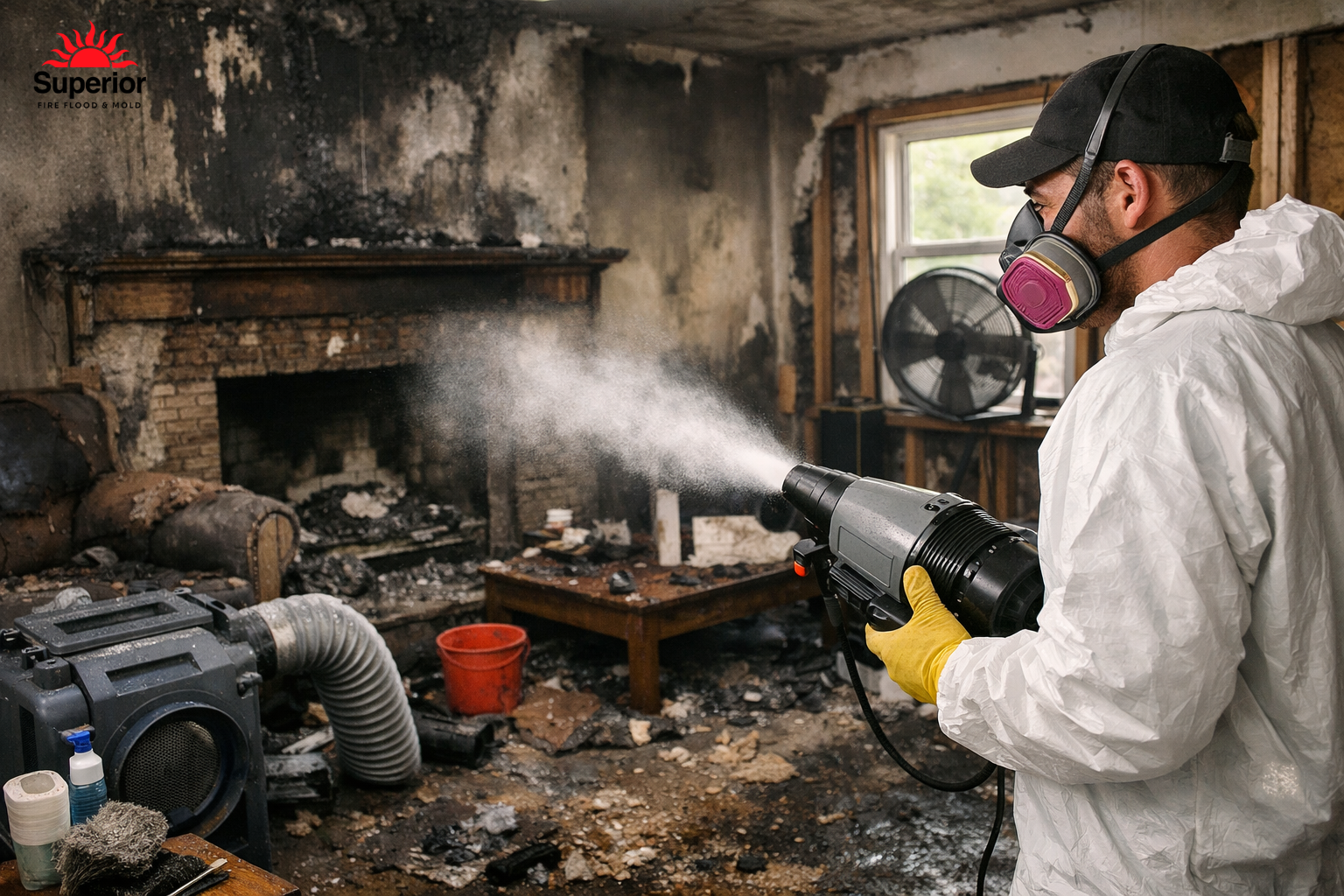
Thermal fogging is still one of the best methods for dealing with stubborn smoke odor in complex fire restoration projects. It uses heat to turn deodorizing solutions into a fine fog that can reach the same hidden areas that smoke can get into. Thanks to the tiny particles, thermal fogging can get into wall cavities, fabrics, and other spots that regular cleaning can't handle well.
This technique is especially useful when smoke has spread widely or when the odor is stuck in materials that can't be taken out. The goal is to neutralize the smell, not just cover it up. When done right by trained pros, thermal fogging can really make a difference in both homes and businesses.
Ozone Treatment for Tough Odor
Ozone generators come in handy when the smoke odor is heavy and persistent. Ozone breaks down the molecules causing the smell, which can help deal with what's left after fire damage. It's especially useful for furniture, surfaces, and items that absorbed smoke during the event. But it needs careful use in unoccupied spaces, as ozone isn't safe to breathe in high amounts.
Ozone treatment is a specialized deodorization technique, best used as part of a bigger restoration plan rather than a quick fix. Often, techs remove damaged materials, clean surfaces, and then use ozone as a final step in odor control. This layered approach helps ensure the smell doesn't come back after repairs.
Hydroxyl Generators for Occupied Spaces
Hydroxyl generators are a newer option that create hydroxyl radicals to neutralize odor molecules in the air. They're often preferred in occupied or partly occupied places because they're considered safer around people than ozone-based methods. They can run for long periods, making them useful when restoration work needs to continue while the building is in use.
Hydroxyl technology is gaining popularity because it balances effectiveness with convenience. It’s not always the only tool needed, but it can be valuable when smoke damage affects sensitive environments like offices, multi-unit buildings, or homes. Many restoration experts now use hydroxyl treatment alongside removing odor sources and detailed cleaning for better results.
Tips for Effective Odor Removal
Start by Removing the Source
The first thing to do for effective smoke odor removal is simple: get rid of the source. If damaged materials, soot-covered insulation, or charred items stay put, they'll keep releasing odor and contaminating the rest of the property. Fire restoration pros always stress that deodorization works best when you remove the underlying sources of contamination first. That's why source removal should kick off any serious odor-control plan.
If you're deciding what to restore or replace, our guide on restoring vs. replacing fire-damaged items can help. Making the right choice early can save time and improve how well odors get removed. When materials are too contaminated, replacement is usually the most practical and cost-effective choice.
Thorough Cleaning to Prevent Recontamination
Once you remove damaged materials, it's time to clean the remaining surfaces thoroughly. This includes walls, ceilings, framing, fixtures, ducts, and hard contents that can be saved. Proper cleaning gets rid of soot, oily residues, and corrosive compounds that can keep causing odor and damage. Cleaning isn't just about looks; it's about stopping contamination from spreading deeper into the property.
It's important to use the right cleaning agents for the type of smoke involved. Dry soot from fast-burning fires is different from greasy residue from slower, hotter fires. Using the right method matters because the wrong one can smear residue, embed odor further, or damage surfaces. That's why a professional assessment is crucial.
Sealing Can Lock in Residual Odor
Sometimes, even after a thorough cleaning, a faint odor lingers in surfaces that can't be fully replaced. That's where professional-grade sealers come in. They create a barrier that helps lock in residual odor compounds and prevents them from escaping into the air. Sealers are often used on framing, subfloors, or other structural materials after cleanup is done.
Sealing isn't a substitute for cleaning, but it can be an important final step when full removal isn't possible. The key is to make sure materials are properly cleaned and dry before sealing. Done right, sealing adds another layer of protection and can improve the habitability of the property after fire renovation.
Why DIY Smoke Odor Removal Often Falls Short
Store-Bought Products Just Mask the Smell
Many homeowners try sprays, candles, air fresheners, or household cleaners first. While these might temporarily mask the smell, they don't get rid of the odor molecules embedded in building materials. Sometimes, masking agents can make the problem more obvious because they mix with smoke residue instead of removing it. That's why short-term fixes often lead to frustration and repeated attempts without lasting relief.
If smoke has penetrated deeply into the structure, professional restoration is usually needed. For properties that also had moisture from fire suppression, combining odor control with mold remediation might be necessary to prevent future health and air-quality issues. Smoke and moisture damage often go hand in hand, which is why a full assessment is more effective than addressing each issue separately.
Hidden Damage Keeps Odors Going
DIY methods often fail because the source of the odor may be hidden. Smoke can travel into HVAC systems, behind cabinets, under flooring, and inside insulation where homeowners can't easily reach. Even if visible rooms are cleaned, these hidden areas can keep emitting odor and recontaminating the air. That's why a room might smell better for a day or two, then return to its original state.
Professional teams use inspection tools, structured cleaning plans, and specialized equipment to tackle these hidden areas. They also know how to sequence the work so that debris removal, cleaning, drying, and deodorization happen in the right order. This systematic approach is a big reason why professional odor removal gets better and more predictable results.
What Does a Professional Smoke Odor Removal Process Look Like?
Assessment and Mapping Damage
The first step in a professional smoke odor removal plan is a detailed assessment. Technicians figure out the type of smoke, the extent of soot contamination, the materials affected, and any hidden pathways where odor might have spread. This stage also helps decide if thermal fogging, ozone, hydroxyls, sealing, or other methods will be needed. A proper evaluation saves time and prevents incomplete treatment later.
Many restoration companies also document damaged areas for insurance and planning. This documentation is especially useful for projects involving multiple rooms, contents, or structural repairs. For more on the recovery process, check out our article on what a professional fire restoration really includes to see how odor removal fits into the full restoration timeline.
Cleaning, Deodorizing, and Air Treatment
After assessment, the restoration team moves through a layered process. First comes debris removal and cleaning of accessible surfaces. Then, technicians treat contaminated materials and airspaces using the right deodorization tools for the situation. Air scrubbing, filtration, and circulation equipment might also be used to improve indoor air quality during work.
This stage is where expertise matters most. Smoke odor removal is rarely achieved by one treatment alone. Instead, results come from combining methods in the right sequence and making sure each step supports the next. A properly cleaned and deodorized property should smell neutral, feel safe, and be ready for repair or reoccupation without lingering contamination.
Final Check and Repairs
Before considering a restoration project complete, the affected areas should be reviewed again to confirm odors are reduced to an acceptable level. If needed, additional treatments can be applied before new finishes are installed. This final check matters because once flooring, drywall, and paint are replaced, any missed odor source becomes much harder and more expensive to correct.
That's why smoke odor removal should be part of the renovation process, not an afterthought. When deodorization is built into the project from the start, the final result is more durable and far more comfortable for the property owner.
Health, Safety, and Air Quality Concerns
Smoke Odor Means Contamination May Be Present
Persistent smoke odor is more than just annoying. It can signal that harmful residues remain in the property and might keep affecting air quality. The Centers for Disease Control and Prevention says smoke exposure can irritate the eyes, nose, throat, and lungs, especially for children, older adults, and people with respiratory conditions. Even after a fire, those residues may still pose problems if not properly removed.
That's why removing smoke odor is key to making a renovated building safe to use again. If a structure still smells like smoke, it's worth asking if contamination is still in materials, air pathways, or hidden spaces. A clean smell doesn't guarantee safety, but a lingering smell often means the job isn't done.
Fire Damage Often Comes with Water and Mold Issues
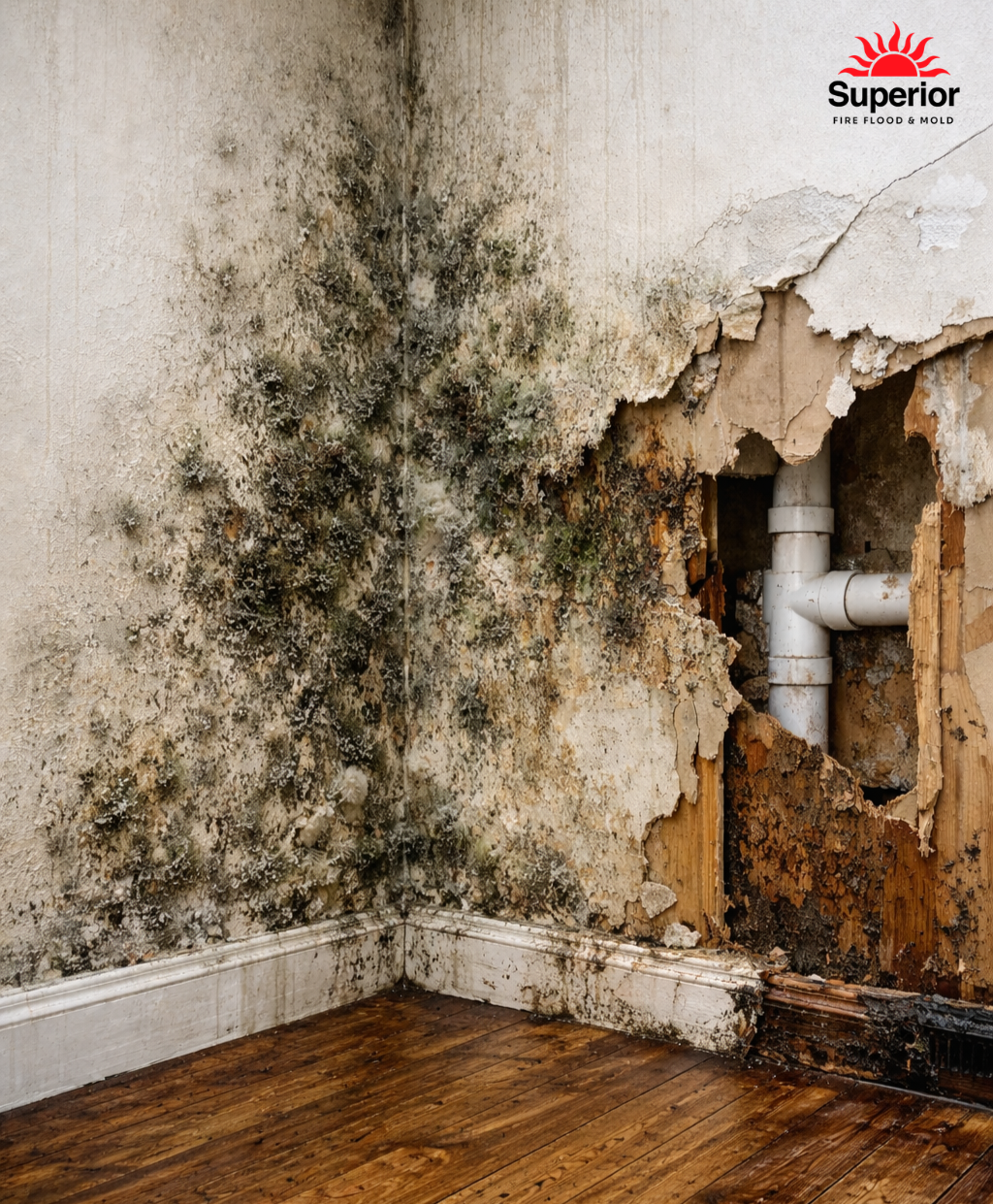
Fire renovation usually involves more than just smoke. Sprinklers, firefighting hoses, and exposure to weather post-fire can introduce moisture, leading to secondary problems. If materials stay wet too long, mold growth can start, creating another health and odor issue. That's why restoration pros often check for both fire and moisture-related damage during the same visit. If drying is needed, acting quickly can help avoid further losses and delays.
Homeowners can learn more about timing and moisture control in our guide to how long it really takes to dry after water damage. This overlap is a common reason why property damage restoration must be handled holistically rather than as separate tasks.
Real-Life Example: Cleaning Up After a House Fire
A Kitchen Fire with Odor Spread Throughout the Home
Take a typical residential kitchen fire where the flames were put out quickly, but the smoke spread through the whole house. Even though only one room burned, the smell reached upstairs bedrooms, closets, furniture, and the HVAC system. The homeowners first tried airing the house out and cleaning surfaces themselves, but the smell kept coming back after a few days. This is common because smoke often moves far beyond the visible burn area.
In such a case, the restoration process usually includes debris removal, targeted cleaning, duct inspection, and a mix of deodorization treatments. A similar real-world example from Indianapolis, IN, showed how a kitchen fire needed structural repairs, deep cleaning, and thorough odor removal before the home could be safely lived in again. The takeaway is clear: smoke odor is often a whole-building problem, not just a room-by-room issue.
Why Timing Matters
In projects like this, timing and order make all the difference. If cleaning happens before source removal, odor may stay trapped. If deodorization occurs before surfaces are washed, the treatment might not last. When the work is organized correctly, however, the home can be restored in a way that feels genuinely complete.
That's why clients should view odor control as part of the full renovation, not an optional extra. The sooner the right process begins, the better the final result usually is for both comfort and property value.
Removing Smoke Odor in Montana Homes and Local Needs
Wildfire Smoke Brings Extra Challenges
In Montana, smoke odor isn't just from structure fires. Wildfire seasons can leave homes and businesses with strong smoke odors that enter through vents, doors, and porous materials. In places like Missoula, residents might need odor removal that deals with both direct fire damage and environmental smoke exposure. The challenge is often not just cleaning one source, but restoring a property after prolonged smoke exposure.
For local homeowners and businesses, acting quickly matters. The longer the smoke stays in a structure, the more likely it is to settle into fabrics, wall systems, and HVAC components. If you're looking at local service options, our Downtown Missoula location page can help explain how our team supports nearby properties with restoration needs requiring swift, coordinated action.
Local Know-How Improves Results
Working with a restoration team that understands the region’s fire and weather patterns can make a real difference. Local techs know how seasonal conditions, ventilation needs, and building styles affect smoke movement and odor control. That knowledge helps them pick methods that fit the property instead of relying on a one-size-fits-all approach.
Whether it's a single-family home, a rental unit, or a commercial property, the right restoration plan should be tailored to the extent of the smoke damage and how the space is used. The goal is always the same: restore habitability, reduce odor, and get the property back to safe use as efficiently as possible.
Frequently Asked Questions About Smoke Odor Removal
How Long Does Smoke Odor Stick Around After a Fire?
Smoke odor can last for weeks, months, or even longer if the source isn't removed. The exact timeline depends on the type of fire, the materials affected, the building's ventilation, and whether professional deodorization is used. In porous materials, odor may persist until those materials are cleaned, sealed, or replaced.
Can Smoke Odor Be Removed Completely?
In many cases, yes, but only with a thorough and professional approach. Complete removal usually requires a combination of source removal, deep cleaning, air treatment, and final verification. If materials are too damaged to save, replacement might be necessary to eliminate the odor fully.
Is It Worth Investing in Smoke Odor Removal?
Absolutely. Lingering smoke odor can lower comfort, complicate repairs, affect resale value, and indicate unresolved contamination. More importantly, it can mean the indoor environment isn't fully restored. Investing in proper odor removal supports both health and long-term property value.
Wrapping It All Up
Getting rid of smoke odor is a big part of fire renovation because it tackles what remains after the visible damage is cleaned up. Without it, a property might still feel unsafe, smell bad, and not function as a comfortable place to live or work. With it, the restoration process is complete, letting occupants move forward with confidence.
The best results come from a systematic approach: remove the source, clean contaminated surfaces, apply the right deodorization method, and check the outcome before repairs are finished. Whether the job needs thermal fogging, ozone treatment, hydroxyl generators, sealing, or a combination of methods, professional expertise makes a big difference. If you're dealing with smoke damage and need a reliable partner for fire damage restoration in Missoula, Superior Fire Flood and Mold is ready to help restore your property with care, speed, and proven methods. Contact our team today to start the recovery process the right way.