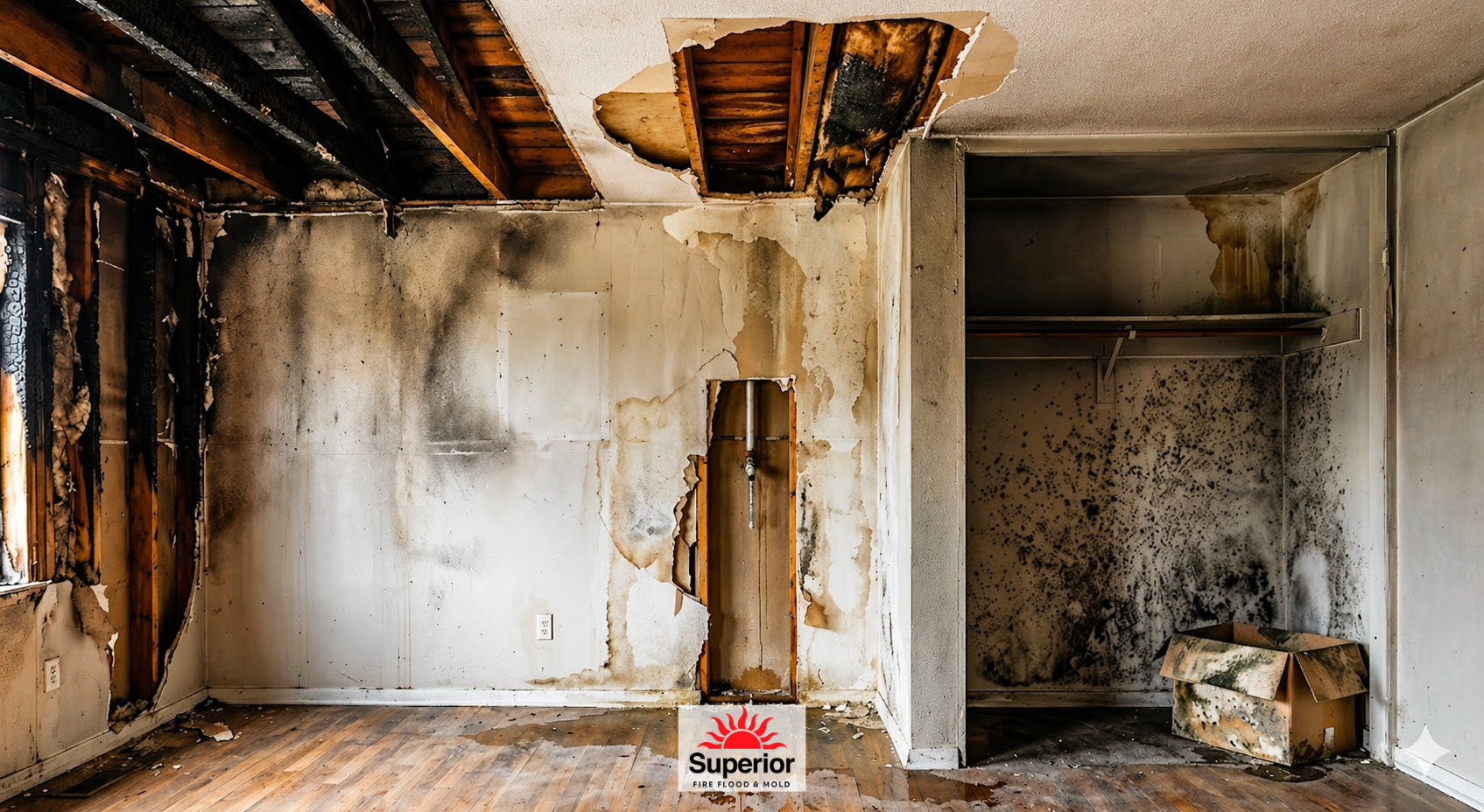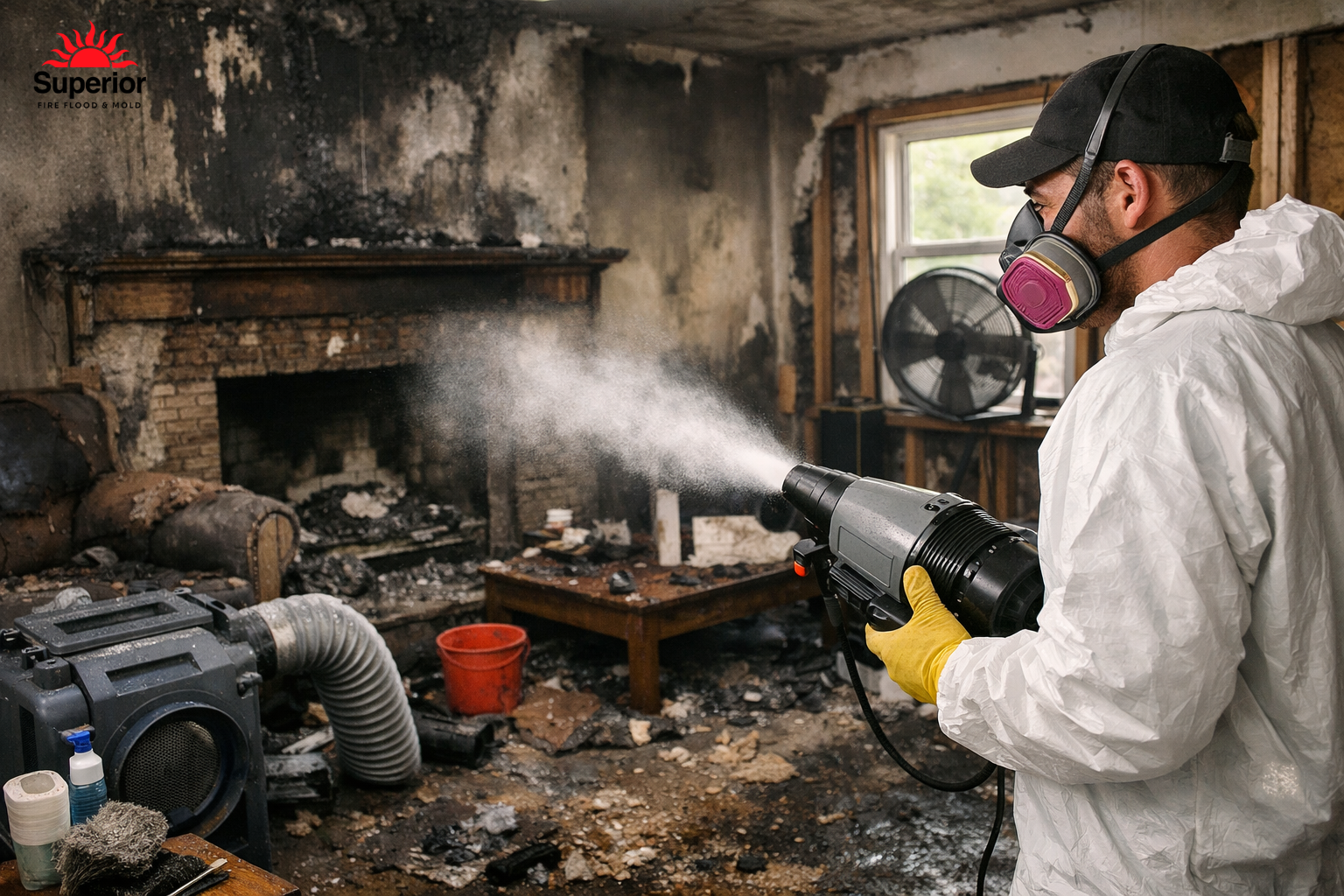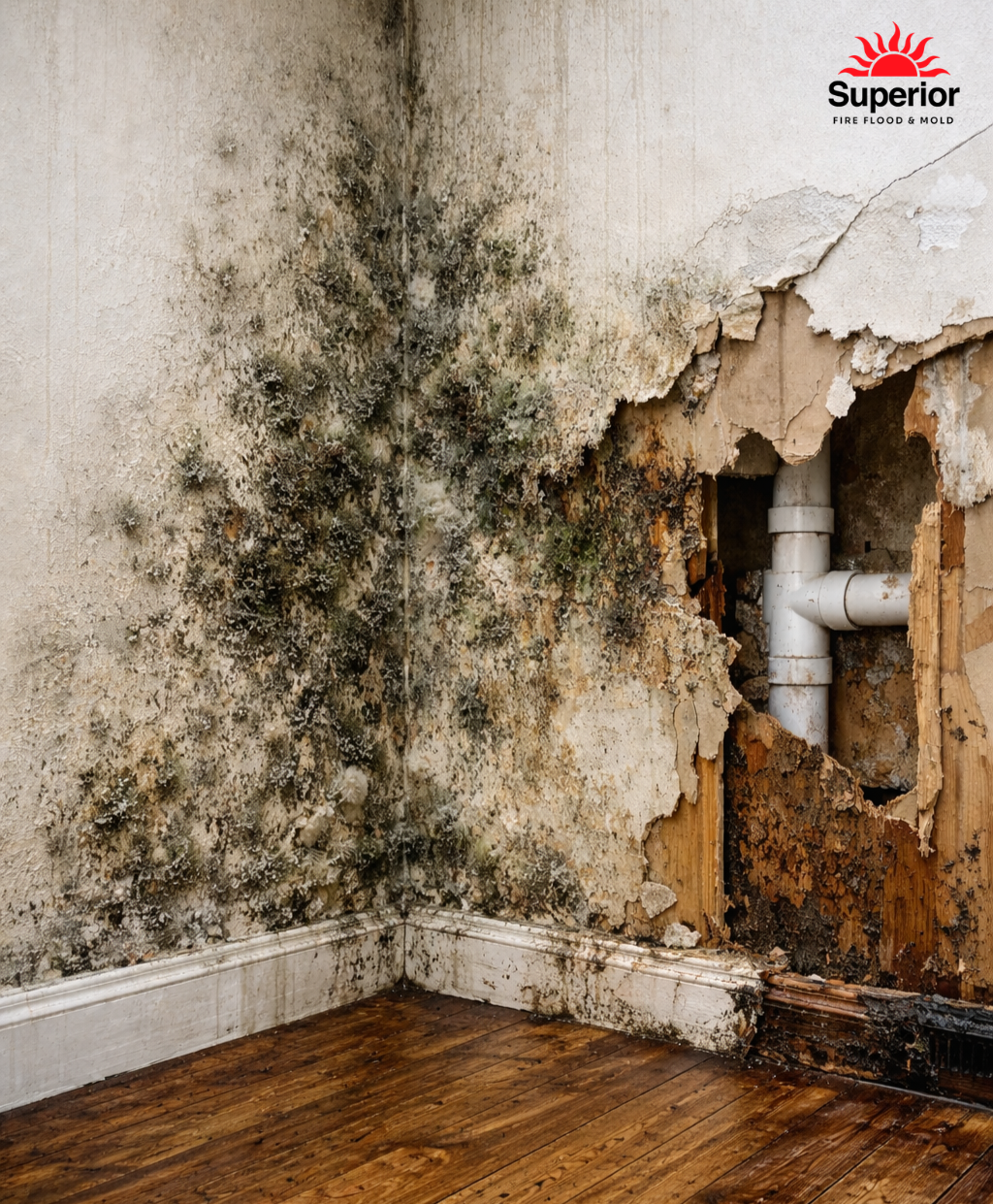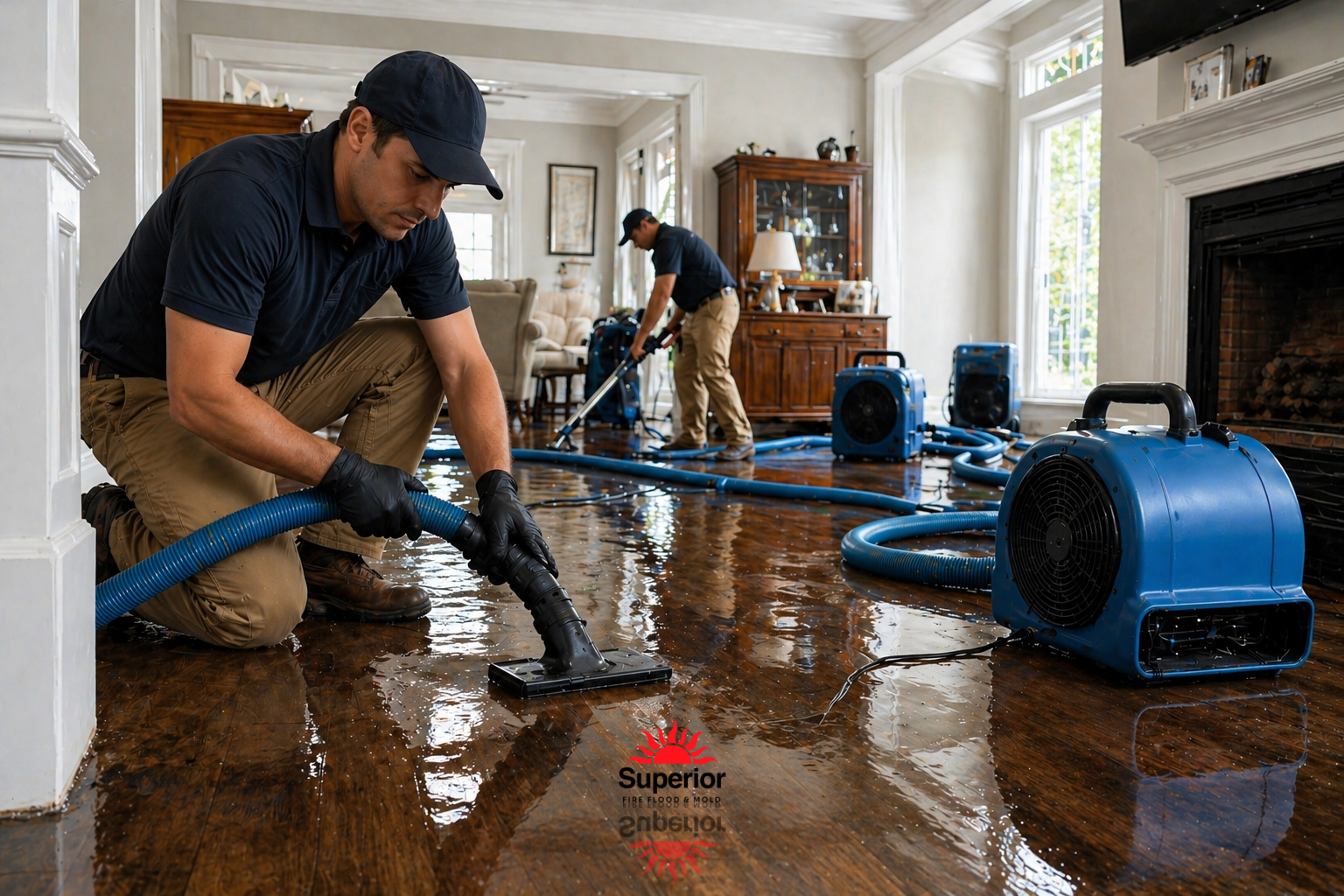
When water sneaks into your home or business, the damage you see is often just the beginning. Moisture can quickly spread behind walls, under flooring, and into the building's structure, leading to mold, warped materials, and unpleasant odors. That’s why emergency restoration services are so important; they don't just clean up, they stop a small mishap from becoming a big problem.
In this guide, we'll dive into how these services help minimize long-term damage, why acting fast is crucial, what modern restoration involves, and how you can protect yourself after a leak or flood. If you’re weighing your options, it's useful to know what professional water mitigation covers and why quick action makes such a big difference. For more on how damage can spread, check out our article on the full restoration process.
According to the Insurance Information Institute, water damage and freezing make up about 29% of all homeowners' insurance claims, with the average claim around $11,000. This shows how common the issue is and highlights a key point: even a slight delay can turn a manageable cleanup into a hefty financial burden. Often, the difference between a quick recovery and a major rebuild is whether you get professional help right away.
Why Emergency Restoration Services Matter
They Prevent Damage from Spreading
Water doesn’t sit still. It can seep through subfloors, wall cavities, and framing before you even realize there's a problem. Emergency restoration services aim to stop this spread by quickly extracting water, targeting drying, and detecting moisture. The sooner these steps start, the less chance water has to sneak into hidden spots and weaken your property’s structure.
This is even more crucial for homes with finished basements, multi-level floors, or older materials that soak up moisture quickly. A puddle may look like the main issue, but the real worry is often what you can’t see. Certified restoration pros use advanced equipment to find hidden moisture before it turns into a major repair headache.
They Cut Down Mold Risks
One of the biggest risks after water damage is mold. The U.S. Environmental Protection Agency says mold can start growing within 24 to 48 hours if conditions are right. Delaying a response can allow mold to take hold before drying even starts. Once mold starts spreading, cleanup becomes more costly and disruptive.
Quick action is key. Restoration teams don’t just remove standing water; they tackle the moisture that feeds mold. If mold is already a problem, professional mold remediation might be necessary to restore safe indoor conditions and stop further spread.
The First 24 Hours Are Crucial
The IICRC Standard for Rapid Response
Experts always stress the importance of acting fast. The Institute of Inspection, Cleaning and Restoration Certification (IICRC) advises starting water extraction within 24 hours whenever possible to reduce mold and structural risks. This early window is critical because materials like drywall and carpet padding start absorbing water almost immediately.
In practical terms, the first day is when restoration teams can impact the outcome most. They can remove standing water, document damage, assess affected materials, and create a drying plan before hidden moisture causes swelling or decay. If the response is delayed, you might face more extensive repairs.
Why Waiting Costs More
Some property owners think they can save money by waiting to see if things dry on their own. Unfortunately, this often leads to higher costs later. Water trapped inside materials can damage structural framing, discolor finishes, and cause persistent odors. Sometimes, the secondary damage costs more than the initial incident.
Quick reporting also matters for insurance. When damage is reported fast, restoration teams can provide photos, moisture readings, and a clear work scope to support claims. Delays can complicate claims and slow recovery.
Modern Emergency Restoration Techniques
Advanced Moisture Detection Tools
Restoration work has evolved significantly. Modern technicians use moisture meters, thermal imaging, and infrared cameras to find hidden water in walls, under cabinets, and in flooring systems. These tools help identify problem areas that might go unnoticed until visible damage occurs.
This technology improves precision and reduces guesswork. Instead of tearing out too much material or missing trapped moisture, technicians can target exact areas needing attention. This leads to efficient drying, less demolition, and a better chance of preserving original materials. For homeowners, this means a smoother process and a quicker return to normal.
Eco-Friendly and Efficient Drying Methods
The restoration industry is increasingly using eco-friendly practices. Many professionals now use energy-efficient drying equipment and antimicrobial agents that limit contamination while reducing waste. These methods aim to be effective without being overly invasive, benefiting both the building and its occupants.
Efficiency matters because faster drying not only saves time but also reduces the chance of odors, indoor air quality problems, and material degradation. Long-term, these improvements can protect the property’s value and the health of its occupants.
The Restoration Process That Prevents Long-Term Damage
Emergency Water Extraction and Containment
The first step in most restoration projects is emergency water extraction. Standing water is removed quickly to prevent it from soaking deeper into materials and to create a safer work environment. Containment measures may also be used to isolate damaged areas, especially when water has affected several rooms or multiple levels.
For property owners, this step is often the most visible, but it’s just the beginning. Water extraction sets the stage for the real work to begin. Once the source is controlled and the area is cleared, technicians can move into assessment and structural drying with a much better chance of preserving the property.
Structural Drying and Dehumidification
After extraction, the focus shifts to structural drying. This is where professional fans, air movers, and dehumidifiers draw moisture out of building materials. The goal isn’t just to make surfaces look dry but to remove water from inside the structure itself. Surface dryness can be misleading.
Materials like wood framing, drywall, and insulation often retain moisture after visible water is gone. If these materials aren’t dried thoroughly, they can swell, warp, or support mold growth later. Proper structural drying helps preserve these components and reduces the chance of future repair work.
Cleaning, Sanitizing, and Odor Control
Water incidents often leave behind contaminants, especially when the source includes sewage backup, floodwater, or contaminated appliance leaks. Sanitizing the affected space is key to protecting indoor health and preventing odors. Depending on the situation, technicians may use antimicrobial treatments and specialized cleaning methods to address impacted materials safely.
Odor control is also important because moisture-related smells can linger even after surfaces look dry. Professional cleaning and deodorization ensure the property doesn’t just look restored but feels safe and habitable again. This is one reason emergency response is so valuable: it tackles both the visible and invisible effects of the incident.
How Early Response Protects Structure and Contents
Preserving Building Materials
Emergency restoration minimizes long-term damage by preserving what can still be saved. Drywall, trim, cabinets, flooring, and framing can often be restored if technicians act quickly. The longer the moisture sits, the more likely these materials will need replacement.
This preservation approach saves time and money. It also helps maintain the building’s original character, which is especially valuable in homes with custom finishes or commercial spaces with specialized interiors. Acting early increases the odds that repairs remain limited rather than becoming a major reconstruction project.
Protecting Furniture, Documents, and Personal Items
Prompt service also benefits content restoration. Furniture, electronics, documents, photos, and business records may be recoverable if addressed quickly. Water can stain fabrics, swell wood, and damage electronics, but some of that loss can be prevented with immediate drying and careful handling.
For businesses, this is crucial because data, records, and equipment may be essential to ongoing operations. A fast response can reduce downtime and limit interruptions. For homeowners, preserving family keepsakes and personal belongings can be just as meaningful as restoring the structure itself.
Insurance, Documentation, and Clear Communication
Why Documentation Matters
Emergency restoration services do more than fix damage; they also create a paper trail that supports recovery. Photographs, moisture logs, itemized scopes, and daily progress updates help show the extent of the loss and the work completed. This information is essential when dealing with insurance claims.
Good documentation makes it easier to prove that mitigation began quickly and that the damage was managed responsibly. This can reduce confusion and avoid disputes about what was necessary, highlighting why professional restoration services are valuable even before physical repairs are finished.
Working with Insurance Providers
Many property owners aren’t sure if their insurance will cover restoration costs. It depends on the policy, the cause of the damage, and how quickly it was reported. According to standard claims practices, prompt mitigation can strengthen a claim by showing that the owner took reasonable steps to limit further damage.
Working with a restoration company that understands insurance coordination can make the process less stressful. Clear communication between the owner, insurer, and restoration team often reduces delays and ensures necessary work is approved quickly. This is another way emergency restoration protects property from long-term damage.
Real-World Example: Why Speed Matters
A Leaking Toilet and Hidden Floor Damage
Consider a situation where a leaking toilet causes water to seep through multiple layers of flooring and into the ceiling below. Initially, the issue may seem confined to one bathroom, but moisture can quickly travel beneath the surface, soak underlayment, and damage structural components nearby.
In such cases, a fast response is crucial. Restoration teams can extract the water, remove damaged materials, and use specialized drying equipment to protect the surrounding structure. This often results in a smaller repair scope than if the owner waits until staining or mold becomes visible.
Lessons from Local Restoration Work
In Missoula, MT, seasonal rain and occasional flooding make timely restoration especially important. Local properties may face damage from roof leaks, plumbing failures, or weather-related water intrusion, and each situation requires a tailored response. In one case, local teams addressed a leak that spread through several flooring layers and into the ceiling, preventing a larger structural and mold problem.
This example highlights the value of professional mitigation. If your property is affected, a quick response from a trusted team providing support in Downtown Missoula or nearby areas can help reduce disruption and protect long-term value. For more on the timeline after water exposure, read our guide on how long it takes to dry after water damage.
How Property Owners Can Reduce Future Risk
Regular Maintenance and Inspections
Prevention beats restoration. Home and business owners can reduce water damage risks by checking plumbing lines, inspecting roofs, maintaining appliances, and watching for slow leaks. Even small issues like dripping supply lines or clogged gutters can become serious if ignored.
Seasonal maintenance is especially useful in areas with snow, rain, and freeze-thaw cycles. These conditions stress pipes, flashings, and drainage systems. Routine inspections can identify weak points before they turn into emergencies.
Installing Protective Systems
Many properties benefit from sump pumps, leak sensors, and shut-off valves. These systems don’t eliminate all risks, but they can reduce water entry and shorten response time when problems occur. Sometimes, they prevent extensive damage altogether.
Business owners should also consider protecting critical areas like server rooms, stock storage, and mechanical spaces. For homes, vulnerable zones often include basements, laundry rooms, kitchens, and bathrooms. Preparing these areas can reduce future incident severity.
Knowing When to Call Professionals
Not every wet spot needs demolition, but every unexpected water event deserves attention. If water reaches drywall, flooring, or hidden spaces, it's usually best to call a professional immediately. The longer the problem sits, the more likely it is to cause secondary damage.
In urgent situations, professional fire damage restoration teams can help when water was used to extinguish a fire, as fire and water damage often overlap. To understand these connections better, our post on how fire, water, and mold damage are connected offers a helpful overview.
FAQs About Emergency Restoration
How Quickly Should I Contact a Restoration Service?
Contact a restoration service immediately after discovering water damage. The first few hours are crucial because moisture spreads quickly, and mold can start developing within one to two days. A fast response improves the chances of saving materials and lowering repair costs.
Even if the water seems minor, hidden damage can be significant. If you’re unsure if professional help is needed, it’s safer to have the situation assessed right away.
Will My Insurance Cover Restoration Costs?
Coverage depends on your policy and the damage caused. Sudden and accidental water damage is often covered, while gradual leaks or neglect may not be. The best way to find out is to review your policy and contact your insurance provider promptly.
Professional documentation from a restoration company can support your claim by showing the extent of damage and the steps taken to limit further loss.
Can I Dry the Area Myself?
For a very small spill, household fans and dehumidifiers might be enough. But if water spreads beyond a surface area or reaches building materials, DIY drying is often insufficient. Hidden moisture is easy to miss, and that’s where long-term damage starts.
Professional equipment and moisture mapping are vital when the affected area includes drywall, carpet, subflooring, or insulation. Expert drying can prevent bigger problems later.
Why Choosing a Certified Local Team Matters
Experience, Speed, and Accountability
A certified local restoration team offers more than just equipment. They bring experience with regional weather patterns, common building materials, and the realities of working under pressure. That local knowledge can speed up response times and make recommendations more practical for your property and environment.
At Superior Fire Flood and Mold, we focus on quick response, clear communication, and proven restoration methods that help property owners move from crisis to recovery with less stress. When every hour counts, choosing a team that understands both mitigation and long-term protection can make a big difference.
Connection to the Broader Restoration Process
Emergency restoration is just one part of recovery. Often, water loss, mold concerns, and even fire-related cleanup overlap. A coordinated approach lets technicians address the full damage scope instead of fixing one symptom while leaving another hidden problem behind. That’s why integrated services are valuable for homes and businesses.
If you’re comparing options, remember the goal is not just to dry a room. The real goal is to preserve the structure, protect indoor health, and reduce future expenses. For ongoing guidance and trusted help, explore our water mitigation services and related resources.
Conclusion: Fast Action Protects Property Value and Peace of Mind
Emergency restoration services play a vital role in minimizing long-term damage after water incidents. By acting quickly, using advanced equipment, and following industry best practices, restoration professionals help limit structural damage, reduce mold risk, preserve contents, and simplify the insurance process. The faster the response, the better the outcome is likely to be.
Whether you’re dealing with a burst pipe, a leaking appliance, storm intrusion, or floodwater, the most important step is to act right away. Professional help can protect what is visible today and prevent hidden damage from becoming a costly problem tomorrow. If your property needs immediate attention, contact Superior Fire Flood and Mold for responsive, expert restoration support and get your recovery started the right way.
Call today to protect your property before the damage spreads.