How to Keep Mold Away After Water Damage: A Practical Guide
When water gets into your home, it can quickly lead to mold problems. Mold can start growing in just a day or two after water exposure. So, knowing what to do right away and in the following days is really important. This guide will help you figure out what to do in the first 48 hours, what tools you might need, and when it's time to call in the pros. By doing things right, you can dodge pricey mold clean-ups and keep everyone healthy.
If you're dealing with a water mess in Missoula or nearby, acting fast is crucial. Our team offers round-the-clock water mitigation services to start drying things out, which helps stop mold in its tracks and saves you money down the line.
Why Acting Fast Is Key: Mold Moves Quickly
The Mold Timeline
Mold spores are all around us, indoors and out. They just need moisture and something organic to start growing. If building materials get wet, mold can start showing up in just a day or two. Knowing this, you’ll see why it's crucial to jump on certain tasks right away to stop mold before it gets a foothold.
Health and Home Concerns
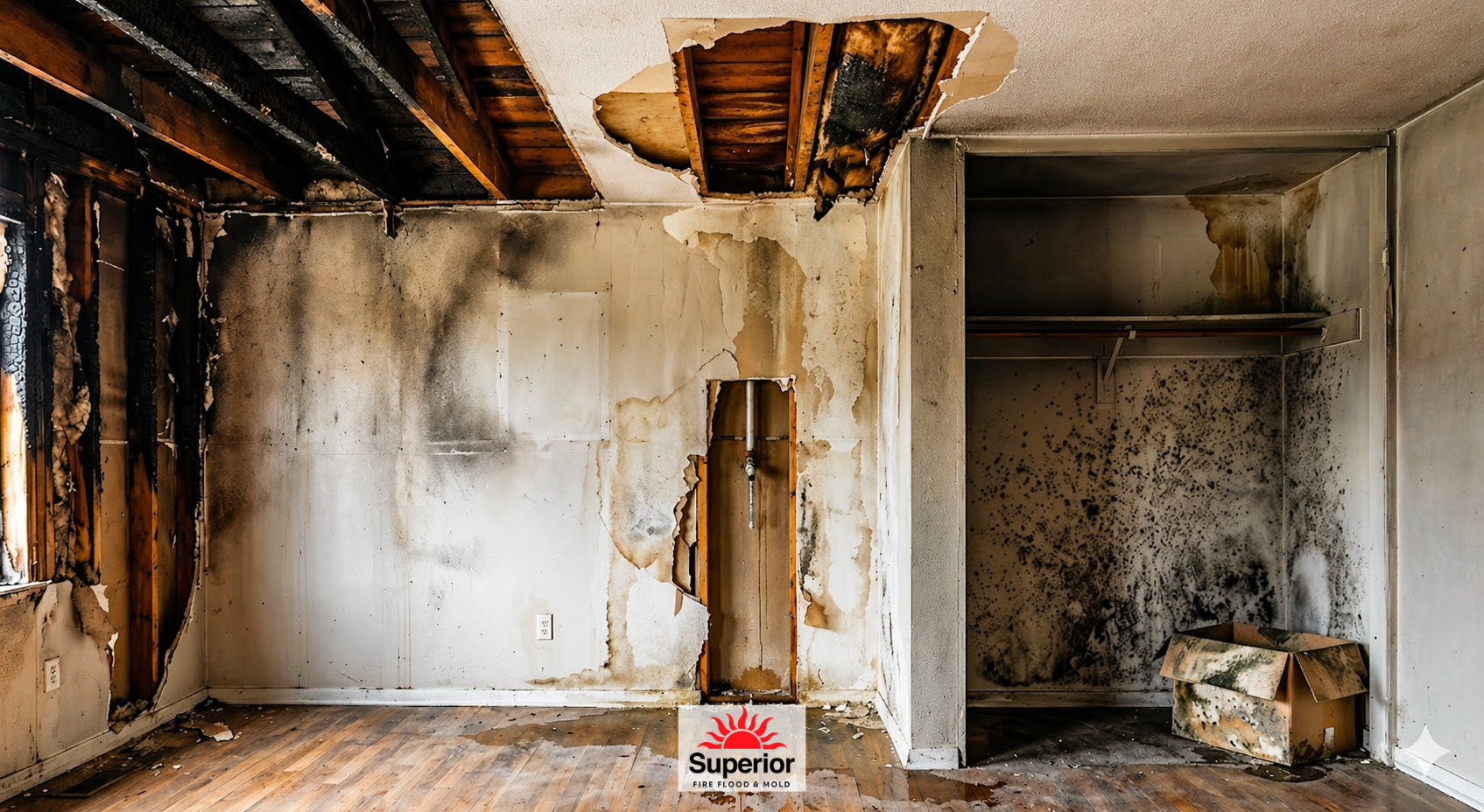
Even a little mold can be a big issue for people with allergies or asthma. Plus, mold eats away at things like drywall and wood, which can hurt your home's structure over time. Catching mold early saves both health and house, and it avoids more expensive fixes later on.
What the Experts Say
Authorities like the EPA say you should dry out wet materials within 24 to 48 hours to stop mold. They emphasize quick drying, removing affected materials, and safe clean-up after any flooding or water damage. This advice helps reduce risks and assists homeowners in making safer choices when things get stressful. For detailed clean-up guidance, check the EPA’s guide.
Immediate Steps (First 24 - 48 Hours) to Avoid Mold
Stay Safe First
Before cleaning up, make sure you're safe. Turn off the power if there's a risk of shock, and wear gloves, goggles, and a mask if there’s any dust or possible contamination. Check if floodwater is involved, like sewage or outdoor flooding, these require special handling and usually need the pros to keep it safe and legal.
Get Rid of Standing Water
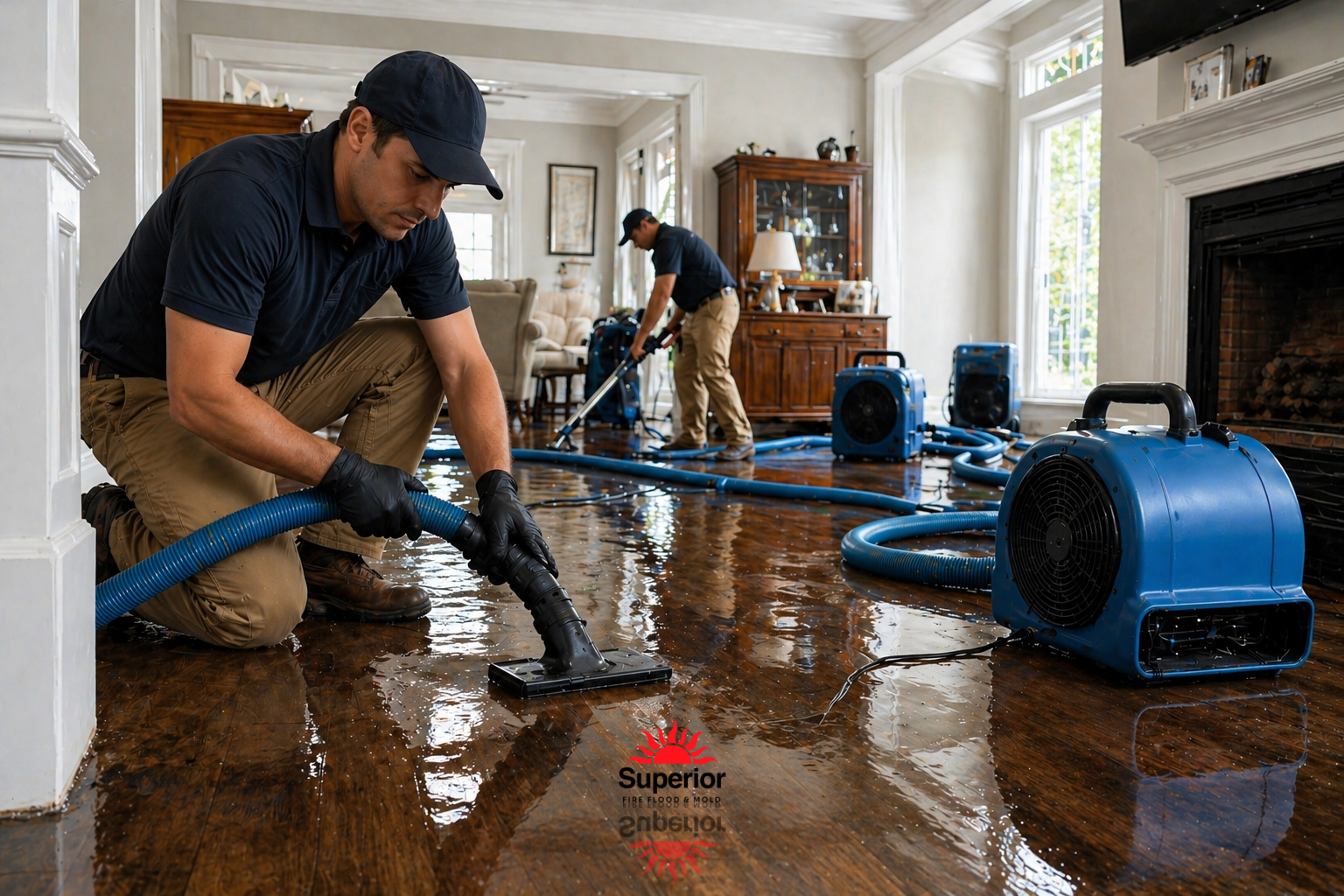
Standing water is the main reason for mold growth, so removing it is your first step. Use pumps, wet/dry vacs, mops, or even buckets for smaller jobs to get the water out as soon as it's safe. The quicker you get rid of standing water, the less likely mold will set up shop in your walls or floors.
Ventilate and Dry
After removing most of the water, open windows and doors if the weather allows, and set up fans to blow air across wet areas. High-speed fans and dehumidifiers help dry things out faster. Aim to keep humidity between 30% and 60% to slow mold growth. Using fans and dehumidifiers together works better than using just one method.
Tools and Techniques That Help
Finding Hidden Moisture
Spotting hidden moisture can mean the difference between a complete fix and a mystery mold problem that pops up later. Tools like moisture meters, thermal cameras, and hygrometers help find wet spots inside walls and under floors. These tools help you dry only where it’s needed, avoiding unnecessary demolition.
Advanced Drying Gear
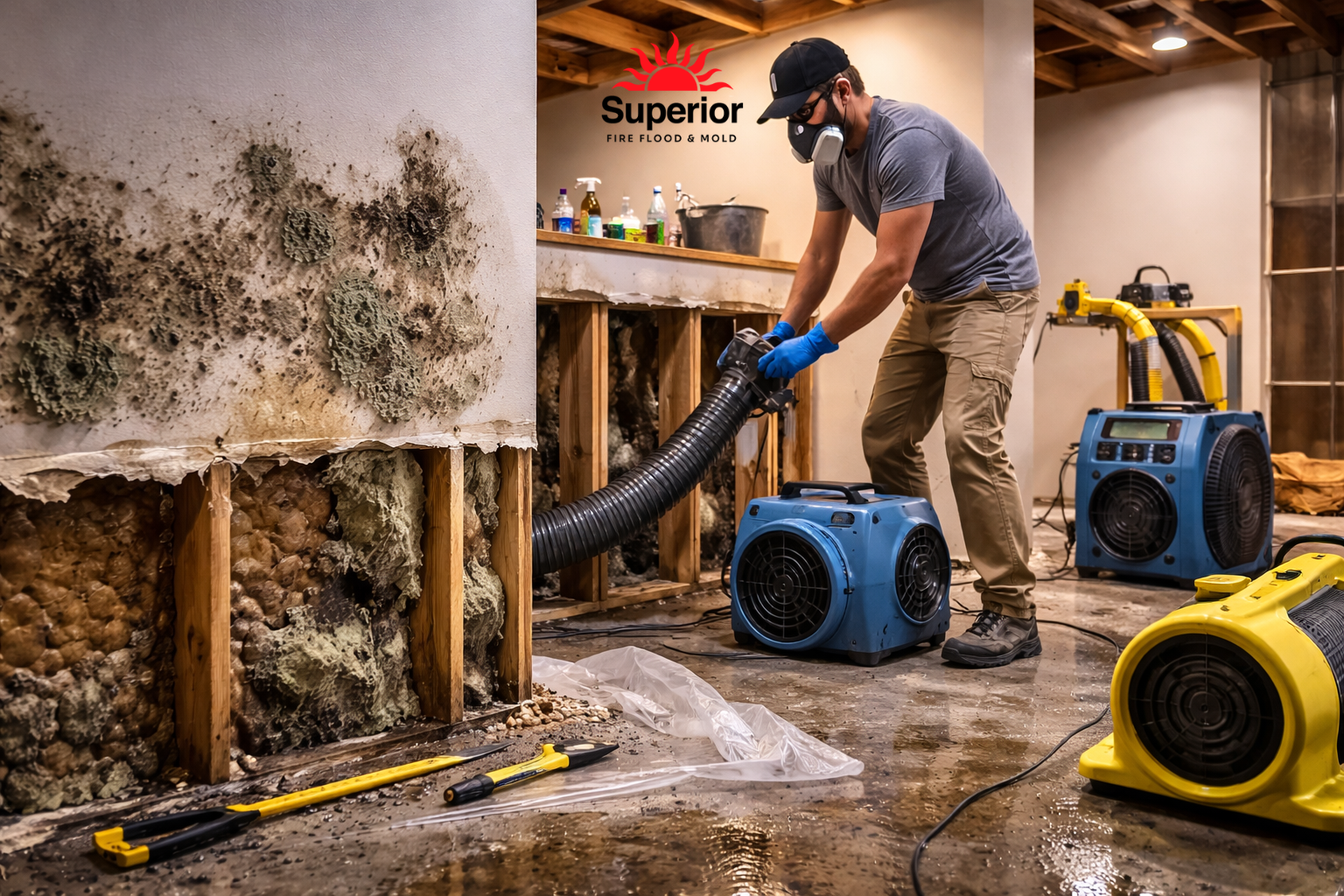
Professionals use industrial dehumidifiers, air movers, and heating systems to dry things out fast. These tools create the right drying conditions to prevent issues like warping or swelling in floors and trim. Using the right equipment for the job ensures materials dry properly without causing more problems.
Filtering and Controlling Spread
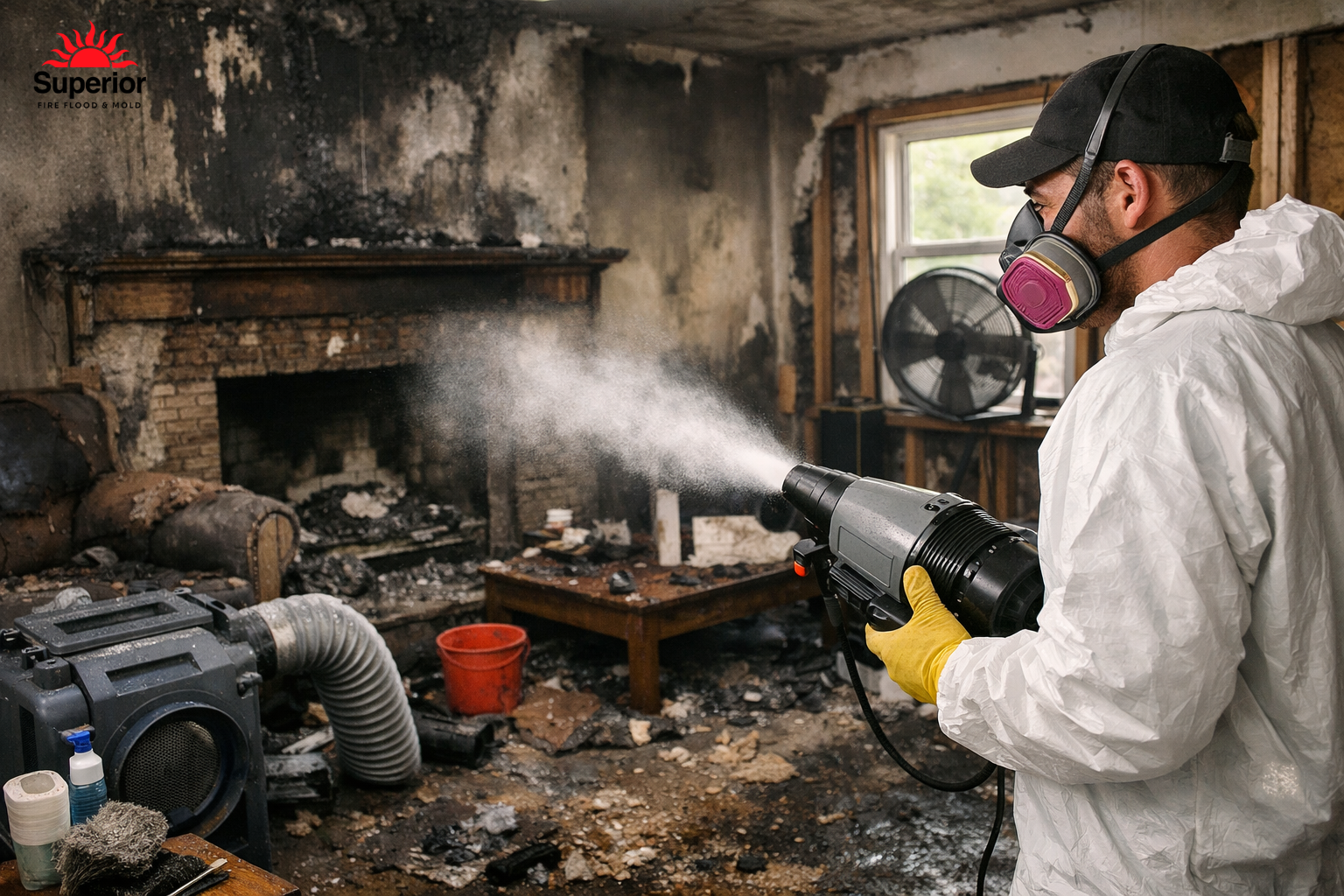
If you suspect mold, HEPA filters and negative air machines can trap spores and stop them from spreading. Using plastic barriers and seals keeps unaffected areas safe. The pros also use protective gear and HEPA vacuums to clean up spores before rebuilding starts.
Step-by-Step Drying and Clean-Up
Set Up Containment and Sort Materials
The first step is securing the area and sorting what can be saved from what can’t. Things like ceiling tiles, insulation, and carpet padding might need to be tossed if they’re soaked. Non-porous items can often be cleaned and dried. Take pictures and notes to help with insurance claims and to track the process.
Create a Drying Plan
A good plan outlines what air movers and dehumidifiers to use, where to place them, and how to monitor moisture. Technicians set targets for drying and check regularly, adjusting equipment as needed. Keeping track of moisture levels with readings and pictures shows when the area is dry enough.
Clean, Disinfect, and Repair
Once things are dry, cleaning and disinfecting keep mold and odors away. For small, clean areas, you might manage with detergent and water. Bigger or contaminated areas are safer and more effective when handled by professionals. After clean-up, repairs get your home back to normal and ensure water sources are fixed.
When to Call in the Pros
Signs You Need Help
If water damage covers a large area (over 10 square feet), involves sewage, shows visible mold, or affects your HVAC system, it's time to call the experts. They have the right tools, training, and safety measures to handle complex jobs and cut the risk of missed moisture or contamination spread. Trying to tackle big jobs without experience often means problems will return.
What to Look For in a Pro
Look for companies with IICRC-certified technicians and clear drying and mold removal plans. These certifications show they know how to measure moisture, set drying goals, and control contamination. Check references, insurance, and project documentation to ensure you’ll get a thorough, safe restoration.
How Pros Keep Mold Away Long-Term
Certified teams set up containment, use HEPA filters, and remove unsalvageable materials to make sure mold is gone and doesn’t come back. They also suggest repairs and moisture control tips to prevent future issues. Picking a trusted restoration company means less worry, better safety, and lasting home value.
Preventing Future Problems
Fixing the Source
Stopping mold means fixing what caused the water problem. Whether it’s a leaky pipe or a bad roof, these fixes need to be a top priority. Regular checks and maintenance on plumbing, roofs, and landscaping can help keep water out and protect your home.
Controlling Humidity
Keeping humidity in check is a long-term way to keep mold away. Installing or improving dehumidifiers, boosting ventilation in wet areas like bathrooms and kitchens, and making sure basements are sealed can keep humidity safe. Routine HVAC checks and filter changes help air flow and cut down on moisture pockets.
Choosing the Right Materials
When rebuilding after water damage, pick materials that resist moisture better, like closed-cell insulation, cement-board for tiles, and waterproof flooring for basements. Design changes, like raised appliances and better drainage, help protect important areas from water. Smart material and design choices lower the need for future mold fixes.
Costs, Real-Life Examples, and Quick Actions
Understanding Costs
Mold clean-up costs vary based on location, damage, and needed repairs. For example, removing mold might cost $10 to $20 per square foot. A 500-square-foot area can cost thousands, depending on what materials need replacing. This shows why stopping mold early with fast drying is often cheaper.
Case Study: Missoula Resident
One homeowner in Missoula had a pipe burst in their finished basement. They acted quickly, removing water, setting up fans and dehumidifiers, and fixing the leak the same day. Thanks to quick action and consistent moisture checks, they avoided visible mold and expensive clean-up, proving how fast moves and the right tools lead to better results.
Why Professional Help Pays Off
Paying for professional help early often saves money in the long run by avoiding mold clean-up costs, health risks, and big repair jobs. Pros bring moisture levels down fast, document the situation for insurance, and advise on repairs, offering both immediate safety and lasting value.
Questions and Troubleshooting
How Fast Does Mold Grow?
Mold can start growing in a day or two if moisture isn’t controlled. That's why the first 48 hours after water damage are so important for drying out. If drying isn't complete in that time, assume mold might develop and plan to contain and clean it up. Check state health recommendations for more guidance.
Do I Need Mold Testing?
Testing usually isn't needed if the water damage wasn't dried within 48 hours. Most experts say to act as if mold is present. Visual checks, moisture readings, and your exposure history usually guide clean-up decisions. Testing may help in legal cases or complex situations, but for most, thorough drying and cleaning come first.
Can I Clean Mold Myself?
You might be able to clean small moldy spots on non-porous surfaces yourself with the right gear and cleaners. But big mold growth, sewage contamination, and HVAC damage need professional help. Pros use containment, HEPA filters, and safe disposal to protect everyone and keep mold from spreading.
Expert Tips and Practices
Restoration Steps
Best practices combine quick water removal, clear drying targets, and moisture checks to show when a place is safe again. Certified techs use moisture meters and thermal imaging to find hidden wet spots and track drying. Good records protect you with insurance and confirm the job meets standards.
New Tech: Sensors and Monitoring
Cool new tools like wireless moisture sensors and remote systems alert you if humidity or moisture spikes. These help adjust gear and react sooner if things aren’t drying right. Early detection tech gives added protection, especially in wetter climates or vacant homes.
Working with Insurers and Builders
Successful clean-ups mean clear communication with insurance, contractors, and sometimes health officials. Pros who know documentation, repair scope, and liability make claims smoother. Coordinated repairs ensure both clean-up and rebuilding keep your home safe and sound.
Checklist and Next Steps
First Steps (First 24 - 48 Hours)
Start by ensuring safety, then remove standing water, open windows, set up dehumidifiers and fans, and take photos and moisture readings. Sort wet belongings and keep them away from dry ones. If contamination or major damage is involved, call a certified restoration company right away for help.
After Drying
Verify moisture levels are normal, clean and disinfect all surfaces, and replace materials that can't be saved. Watch for smells, stains, or health issues, which could signal hidden problems. Plan repairs to stop future water issues.
Who to Call in Missoula
If you need quick, expert help, Superior Fire Flood & More has local IICRC-certified teams ready for emergencies. Our techs handle mold removal, drying, and full restoration with clear records and 24/7 service. For detailed guidance on early flood steps, check our related blog post: What to Expect During the First 3 Days After a Home Flood.
Conclusion and Call to Action
Preventing mold after water damage is doable with quick action, the right tools, and professional help when needed. Remove water fast, dry it out with the right gear, keep tabs on moisture, and make timely repairs to stop mold before it becomes a big and costly issue. Remember, mold can start in just a day or two, so early action is key.
If you're in Missoula or nearby and dealing with water damage, call Superior Fire Flood & More at (406) 519-3357 for fast help. Our team offers water mitigation, expert mold removal, and complete restoration services to protect your home and health. We're available 24/7 with certified techs, advanced tools, and a solid plan to get things back to normal quickly.
Take action now: document the damage, remove standing water if it's safe, and call a trusted restoration team to start fixing things. Quick, informed action protects your home, your wallet, and your family's health.
References and further reading: EPA disaster and mold cleanup guidance (EPA guide), state health agency mold resources (HealthVermont), and industry standards information from the Institute of Inspection, Cleaning and Restoration Certification (IICRC).