Fire, water, and mold damage might seem like separate issues, but they’re often connected. Picture this: a kitchen fire breaks out and, while it’s quickly put out, the water used to extinguish it soaks everything from the walls to the floors. This damp environment is perfect for mold. Similarly, a hidden water leak can weaken your property, making it more susceptible to a fire or smoke incident that happens later on. Understanding how these issues relate is key to faster recovery and keeping costs down in the long run.
One common mistake property owners make is thinking the visible damage is all there is to it. Often, hidden moisture, soot, and mold linger even after the initial emergency. That’s why services like fire damage restoration, water mitigation, and mold remediation are best used together. This coordinated approach can help you get back to normal quicker while protecting your indoor air quality and preventing future problems.
This guide will walk you through how these types of damage are connected, what’s trending in property restoration, and the steps you should take if your property has suffered any of these issues. We’ll also share practical advice and resources like the EPA’s mold guidance and the CDC’s information on mold and health to help you see why quick action and professionalism matter.
Why Fire, Water, and Mold Damage Often Happen Together
Firefighting usually means water damage, too.
When firefighters put out a blaze, they use a lot of water. This water seeps into the building's framing, drywall, and insulation, causing swelling and hidden saturation. Even a small fire can result in significant water damage if the affected materials aren't dried properly. Often, the fire is just the beginning.
Water damage is a mold magnet.
Mold spores are everywhere, but they need moisture to grow. Mold can start developing within just 24 to 48 hours after water exposure if things stay damp. That’s why a quick response is crucial. If you don’t remove the water quickly, you could end up with a full-blown mold problem.
Fire damage can hide moisture issues.
After a fire, soot and ash can cover up how much moisture has soaked into walls and structures. Sometimes, smoke and soot trap odors and contaminants that make cleanup tougher. That’s why professionals use moisture meters and thermal imaging to catch hidden issues before they get worse.
Latest Trends in Property Restoration
Combining services saves time and hassle.
More and more, restoration services are being offered as a package. Instead of calling one company for fire cleanup, another for water extraction, and yet another for mold removal, many teams now handle it all at once. This approach helps avoid gaps between services, reduces confusion, and often saves money. Plus, it gives you one point of contact for everything.
New tech improves damage assessment.
Thermal imaging, hygrometers, and moisture detection tools help professionals evaluate damage more accurately. These tools can identify damp areas, wet insulation, and other hidden issues that might go unnoticed. Better assessments lead to better decisions and fewer unnecessary repairs.
Standards matter
Organizations like the IICRC set standards for how restoration work should be done, especially when fire, water, and mold are all involved. Following these standards helps ensure that everything is dried, cleaned, contained, and rebuilt in the right order, leading to better outcomes and fewer future problems.
Why Acting Fast is More Important Than You Think
The first 24 hours are crucial.
Acting quickly can make a big difference in restoration. If water is removed and materials dried within the first day, the risk of mold drops significantly. Delays let moisture go deeper, making damage harder to fix.
Delays increase risks
Wet drywall weakens, wood can warp, and insulation loses its effectiveness. Mold growth can affect air quality and trigger allergies. The longer you wait, the more likely it is that cleaning won’t be enough. Quick action isn’t just convenient; it’s essential to limiting damage.
Emergency response is key in fluctuating climates.
In places like Montana, changing weather can complicate restoration. Snowmelt, rain, and cold can all lead to water intrusion. Local expertise and fast action are crucial.
How Pros Evaluate Interconnected Damage
They inspect everything, not just the obvious.
Professionals don't just look at the obvious damage. They also check attics, crawl spaces, and other areas you might not think to inspect. This helps ensure no hidden problems get left behind before repairs start.
They trace moisture and contamination.
Restoration experts map out how water moved through the building, which can show where mold might form or where materials need replacing. This attention to detail is especially important when both fire and water damage are involved.
They document everything for insurance.
Careful documentation supports both insurance claims and repair plans. Photos, moisture readings, and notes help create a clear record of what was damaged and why, making it easier to justify the scope of work.
What Happens If Mold Isn’t Dealt With Quickly
Mold can spread through porous materials.
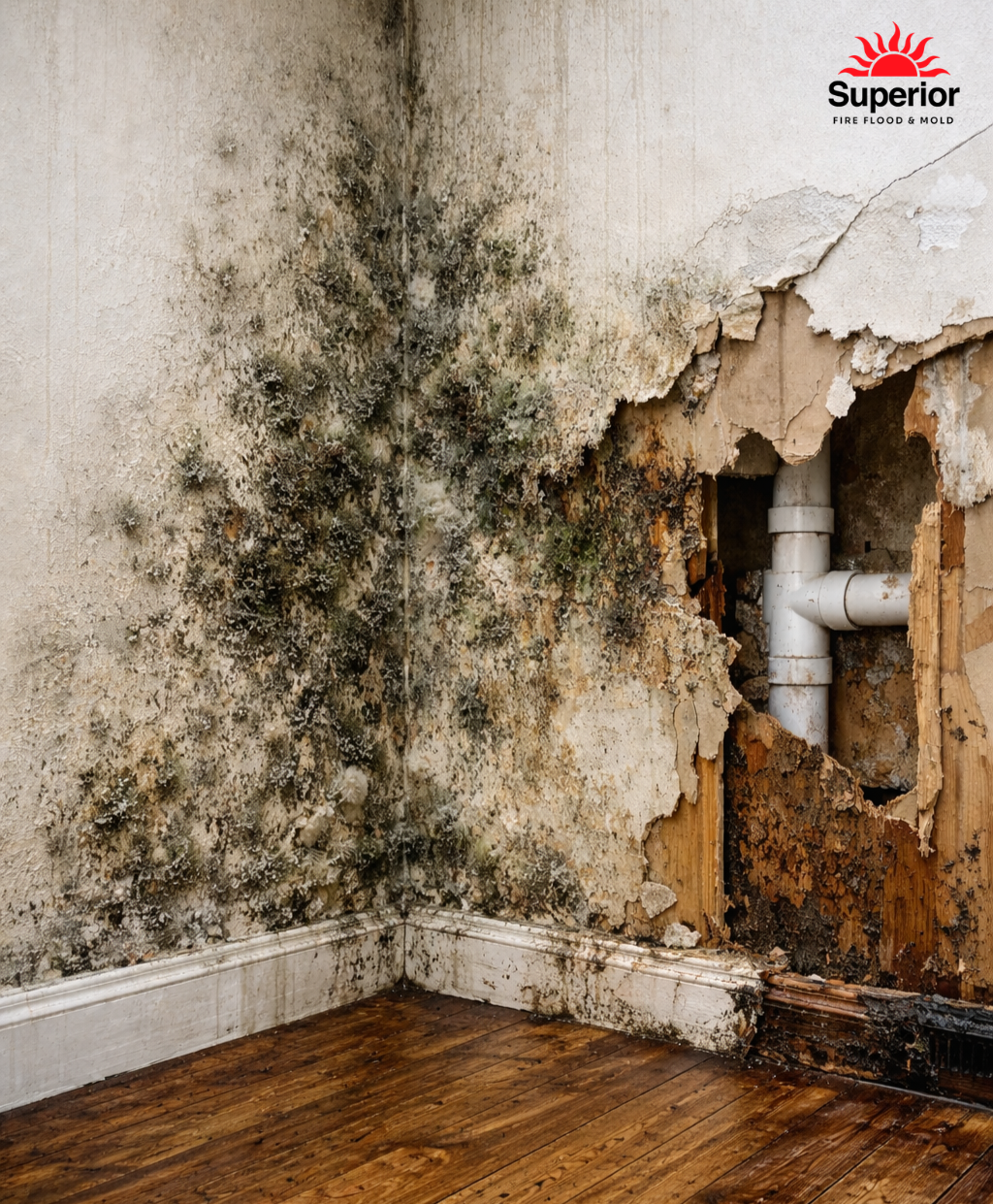
Once mold takes hold in drywall or wood, it’s tough to eliminate without removing the affected materials. Surface cleaning might help a bit, but if mold has penetrated deeper, professional mold remediation is usually needed.
Indoor air quality suffers.
Mold isn’t just a cosmetic issue; it can impact respiratory health, create odors, and make spaces uncomfortable. The CDC highlights that damp indoor environments increase mold exposure, which can be concerning for those with asthma or allergies.
Repairs get pricier
A small water leak can turn into a big project if mold spreads. The cost of removing damaged materials and rebuilding can add up fast. Acting quickly helps protect your property and your wallet.
Handling Fire, Water, and Mold Damage
Step one: make sure it's safe
Before starting cleanup, ensure the building is safe from electrical hazards and structural issues. In severe cases, stay out until professionals assess it.
Step two: get rid of water and start drying
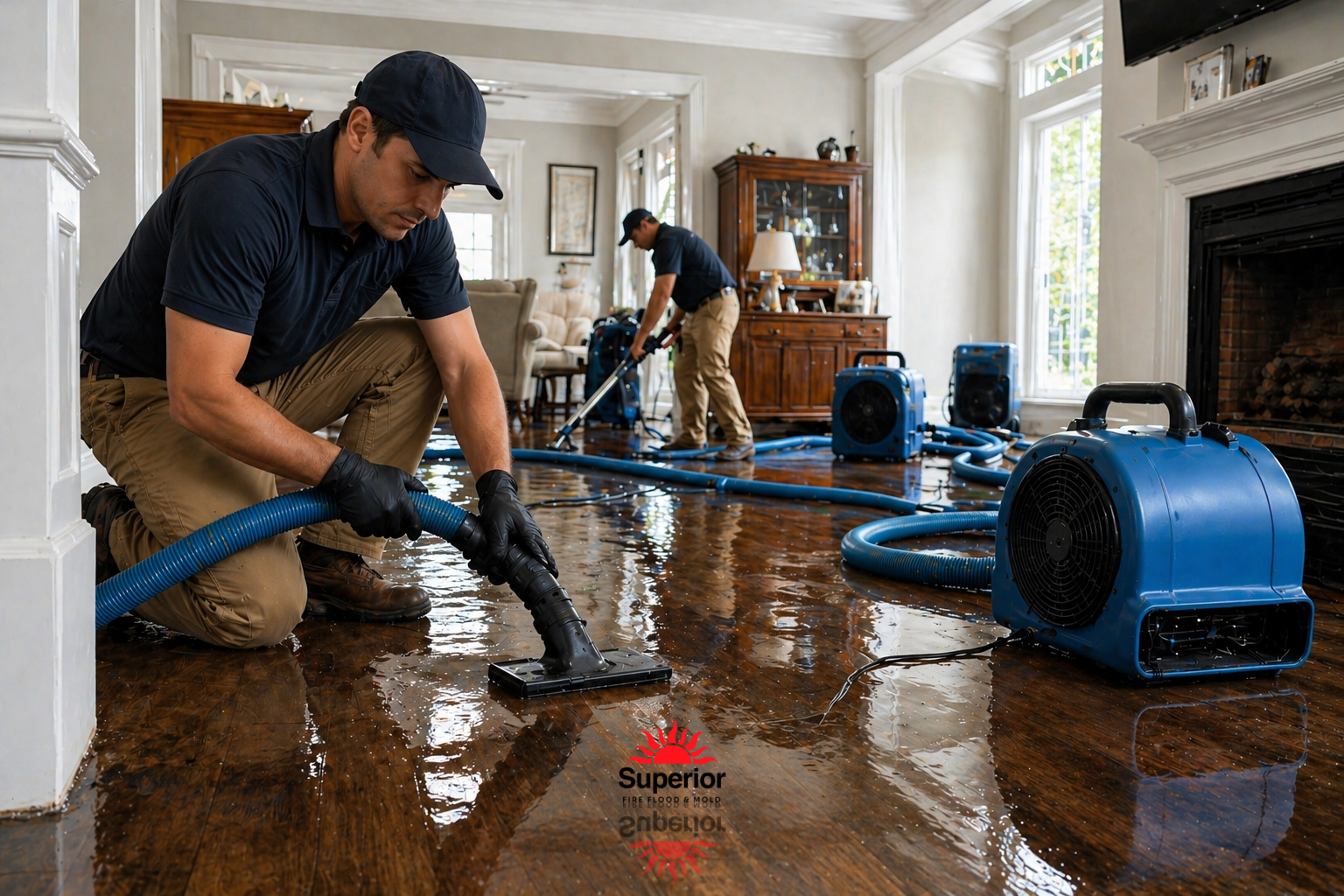
Begin water extraction and drying as soon as possible. High-powered equipment can remove standing water, while air movers and dehumidifiers pull moisture out of building materials. For a deeper understanding, check out our guide on how long it really takes to dry after water damage.
Step three: clean and remediate correctly
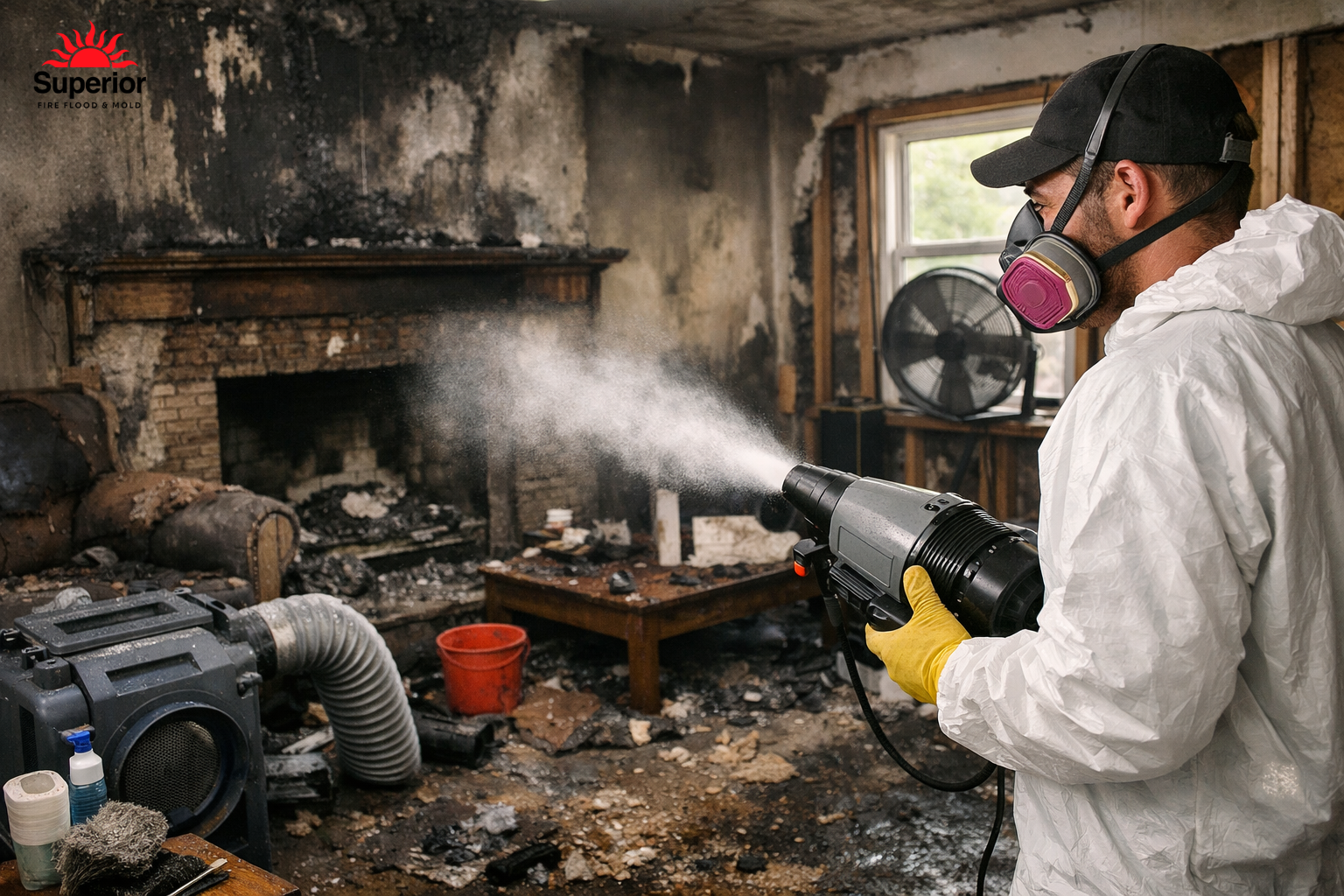
Different issues require different cleaning methods. Containment might be needed to stop contaminants from spreading, and certified technicians should decide what can be salvaged. For more insights on fire recovery, see our professional fire restoration process guide.
Why Integrated Restoration Works
Complex damage usually involves multiple issues.
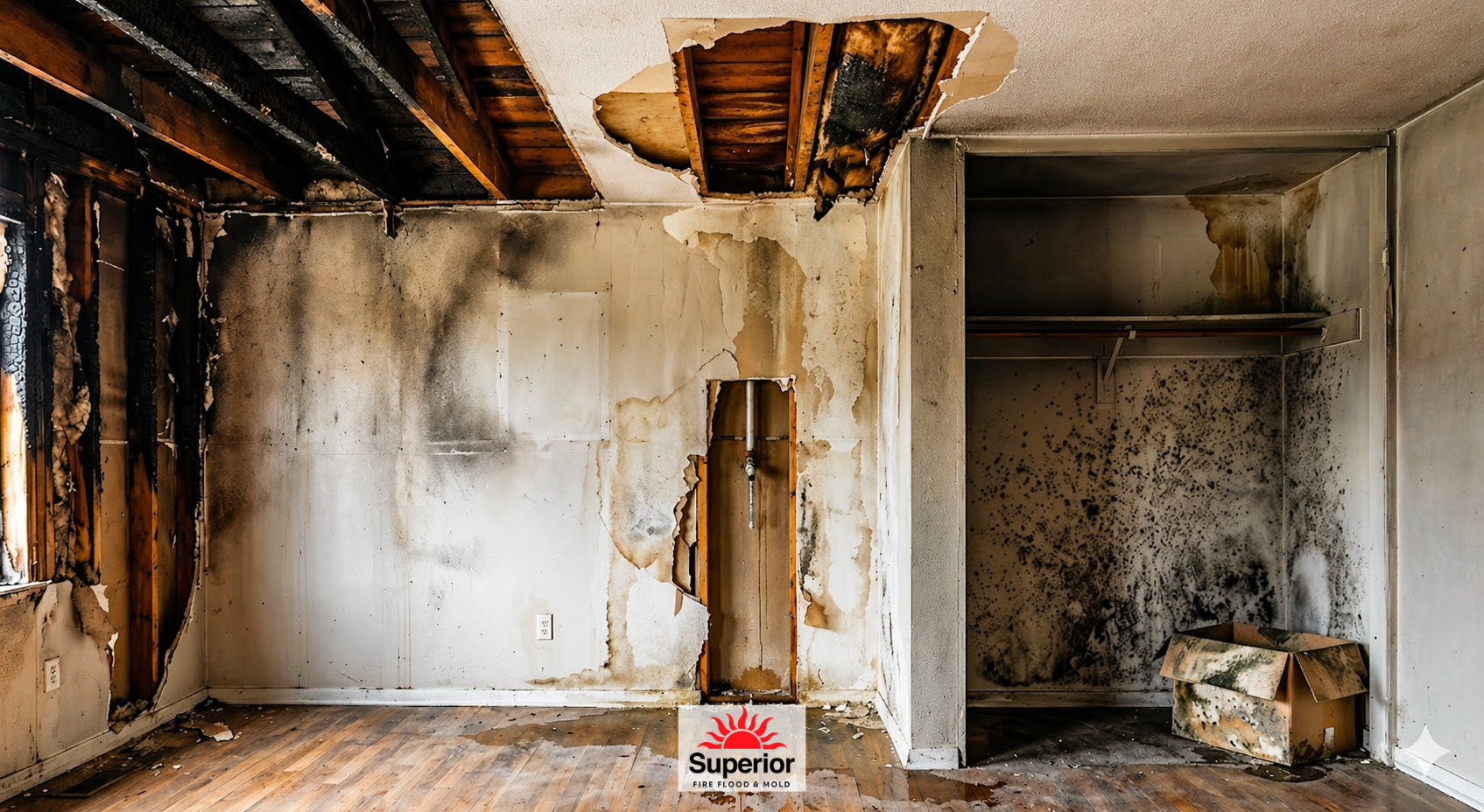
Imagine a small commercial building where a kitchen fire is put out quickly, but water from the firefight soaks nearby walls. At first, it looks like just fire damage. But soon, moisture spreads, creating the right conditions for mold. Without a coordinated response, the owner faces cleanup and repairs for soot, water, and mold all at once.
Integrated service cuts delays.
With a coordinated response, the same team can assess all the damage and create a unified plan. This minimizes delays and helps drying start before mold takes over, streamlining communication for everyone involved.
Local knowledge makes a difference.
In Missoula, experienced providers understand local conditions. Companies like Superior Fire Flood and Mold know how weather patterns affect damage progression. This local expertise can speed up decision-making and improve results.
Common Questions About Fire, Water, and Mold Damage
How quickly should I address water damage?
Immediately. Moisture can spread, and mold can appear within 24 to 48 hours. Even if surfaces look dry, hidden water may still be present. Start mitigation efforts quickly to avoid extensive repairs.
Is DIY mold remediation okay?
For small spots on nonporous surfaces, maybe. But larger or hidden mold issues are different. Once mold spreads or if the moisture source is still active, professional help is safer. Certified teams use containment and proper methods to prevent cross-contamination.
Will insurance cover restoration costs?
It depends on your policy and the cause of the damage. Insurance often covers sudden events, but there may be exclusions. Contact your carrier quickly and document everything. A qualified restoration company can support your claim with the needed records.
Preventing Repeat Damage
Fix the root cause, not just the damage.
Restoration only works if the original problem is fixed. That might mean repairing a leak, improving ventilation, or correcting drainage. If not addressed, the property might suffer the same damage again.
Stay on top of maintenance.
Regular inspections can catch issues early. Watch out for leaks, condensation, musty odors, and soft drywall. Moisture monitoring tools can provide early warnings, helping you avoid costly repairs later.
Boost ventilation and moisture control.
Good airflow and humidity control in bathrooms, kitchens, and basements reduces the risk of mold. Dehumidifiers, exhaust fans, and HVAC maintenance can be especially valuable after repairs.
When to Call a Pro
Call if water is spreading or lingering.
If there's standing water, visible saturation, or if the damage has been around for a while, get professional help. Quick action reduces demolition and speeds up drying.
Call if fire, soot, and moisture are present.
If a fire has been extinguished with water, the property needs more than just cleanup. Soot residues, odors, moisture, and potential mold growth all need evaluation. Professionals can determine what can be salvaged and what must go.
Call if you notice odor or dampness.
Persistent smoke smells, new wall stains, or recurring damp spots can signal hidden damage. If unsure about your property's condition, it's better to have it inspected. For more on hidden fire damage, check out our article on why fire damage isn’t over when the flames are out.
Conclusion: One Problem Can Lead to Another
Fire, water, and mold damage are all connected, so restoration should be a complete process. Fire suppression often results in water damage, which can lead to mold, complicating repairs down the line. The sooner a property is assessed and repaired by professionals, the better.
If your home or business is dealing with these problems, don’t wait for the damage to spread. A coordinated response can protect your building, reduce health risks, and give you peace of mind. For help in Missoula, contact Superior Fire Flood and Mold to discuss your situation and take the first step toward recovery.
Ready to act fast? Learn more about our water mitigation, mold remediation, and fire damage restoration services, or call us at (406) 519-3357 for 24/7 support.