What a Complete Restoration Process Really Includes and Why It’s Not Just "Cleaning"
When your home or business is hit by water, fire, or mold damage, it’s easy to think you just need to clean up and carry on. But let’s dive in—a complete restoration is a whole different story. It’s a well-coordinated effort to get your property back to being safe and livable, just like it was before the damage. This article will walk you through each step of a full restoration, explain why you should call in the pros, and give you some practical tips if you ever find yourself in this tricky situation. If you ever need quick help after a water event, make your first call to a team that knows emergency water mitigation inside and out.
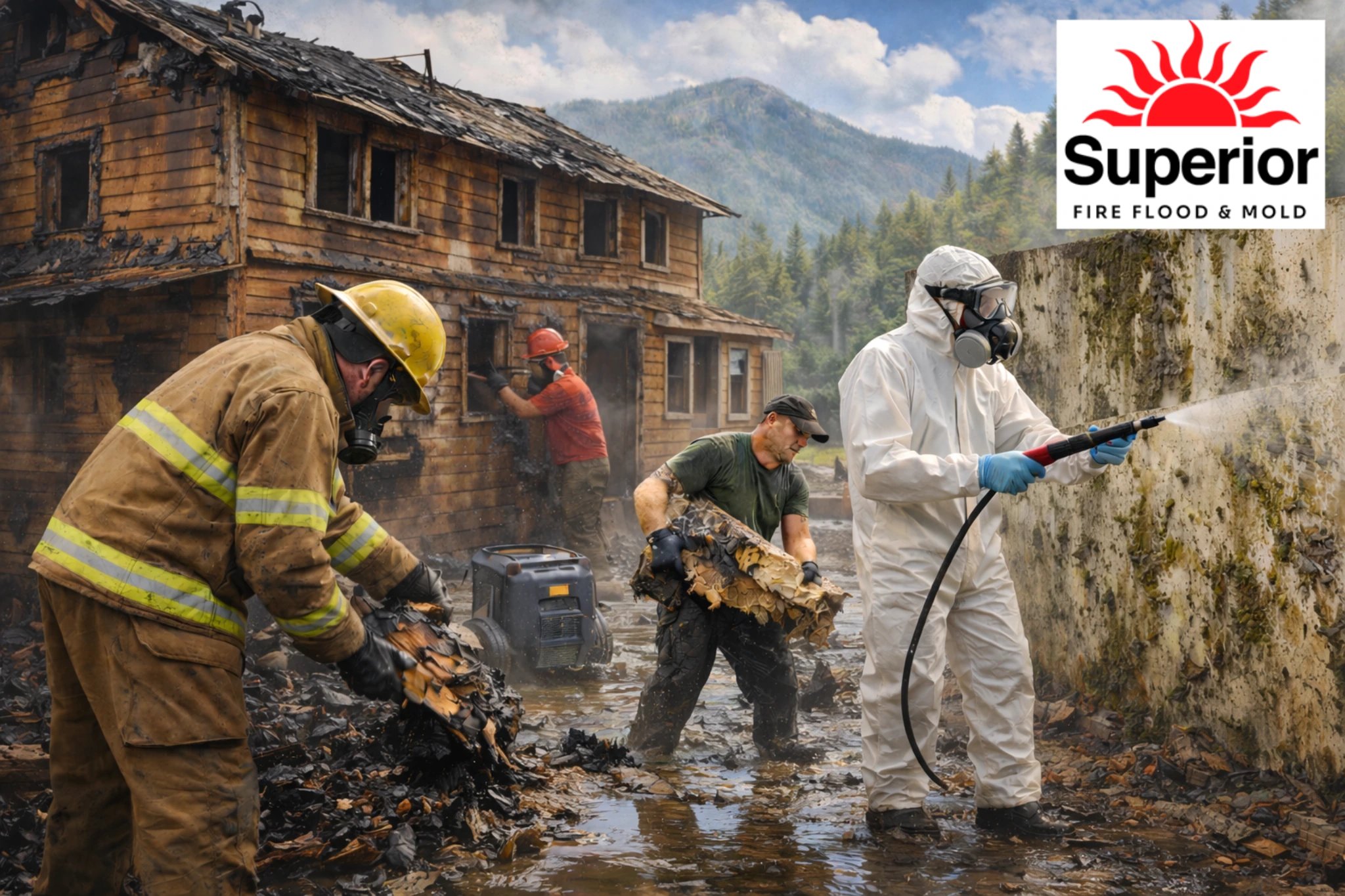
Restoration is a lot more than just cleaning up the surface. It covers everything from assessing hazards and drying out the building to controlling mold risks, restoring contents, doing controlled demolition, planning reconstruction, and keeping track of everything for insurance purposes. For a snapshot of what causes water damage and just how expensive it can get, check out this Wikipedia page on water damage. We’ll break down every step, share some industry tips, and give you resources to help make informed decisions when things go sideways.
Understanding Restoration vs. Cleaning
What Restoration Means
Restoration is all about getting your home or business back to the way it was before disaster struck. It’s not like your regular cleaning because it deals with the building’s structure, any contamination, and safety hazards. The restoration team will evaluate everything from the building materials and systems (like HVAC and electrical) to your belongings to see what can be cleaned, what needs fixing, and what has to be replaced. The aim is to make it look good and ensure it’s functional and safe.
Why "Cleaning" Is an Oversimplification
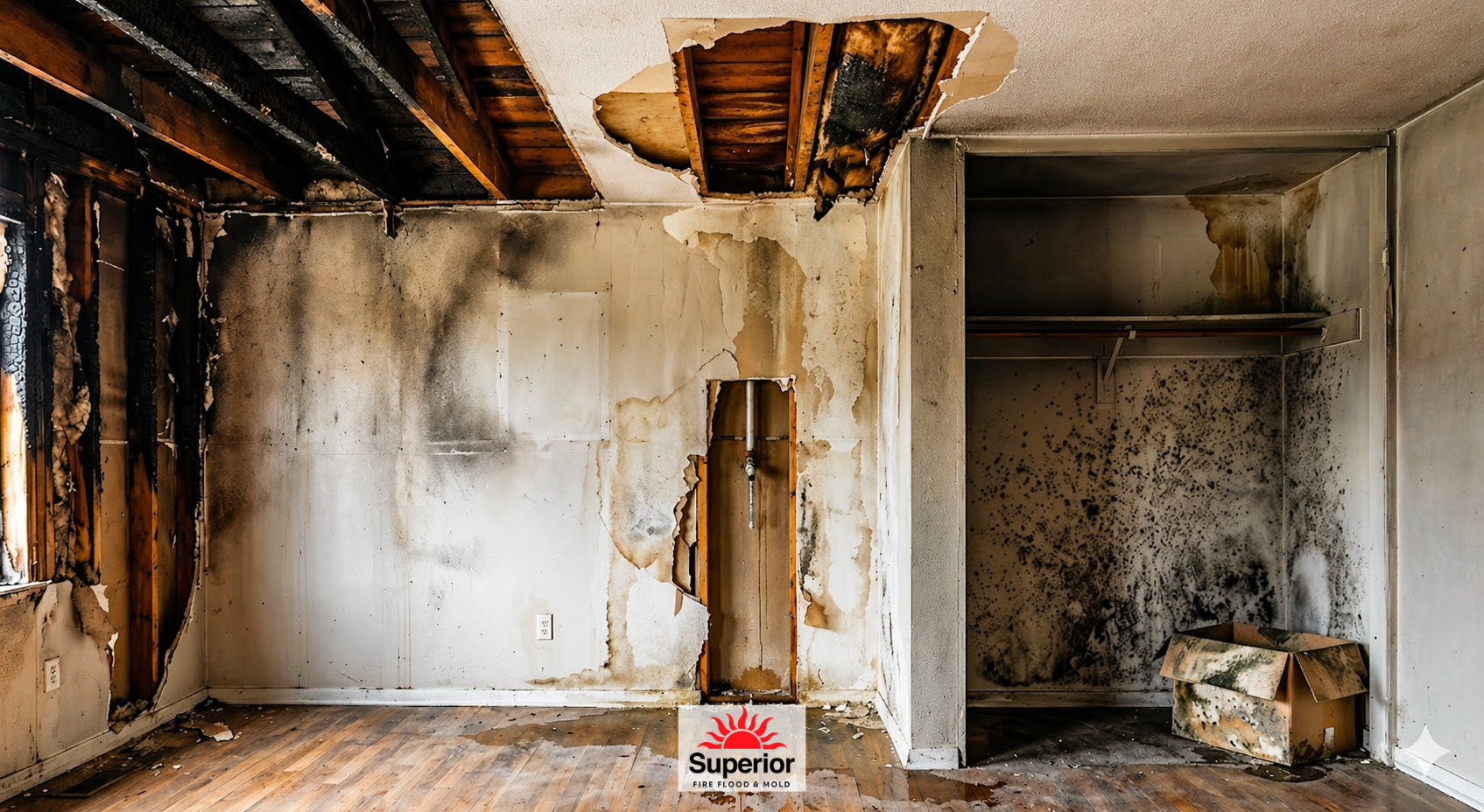
Calling restoration "just cleaning" misses the mark on some critical tasks like tracking moisture, controlling mold, knocking down parts that are too damaged, and using special equipment. Sure, cleaning can get rid of the gunk you see, but it doesn’t tackle hidden moisture in walls or sanitize air systems. If you don’t address these issues, you risk faster wear and tear, mold growth, and more expenses down the line.
Standards and Certifications
Real restoration follows set standards and often involves certified pros. Certifications like the IICRC (Institute of Inspection, Cleaning, and Restoration Certification) provide guidelines for dealing with water damage, mold, and fire restoration. These standards help make sure everything is assessed right, dried out correctly, and tested to ensure it’s safe to live in again. Hiring a certified company gives you peace of mind that the job won’t be half-done or overlook important steps.
Step-by-Step: The Complete Restoration Workflow
1) Emergency Response and Mitigation
The first step is all about quick action. Whether it’s shutting off the water, boarding up windows, or making sure the electricity is safe, these early moves can stop further damage. Restoration teams use these mitigation tactics to keep things from getting worse, saving you time and money on future repairs.
2) Detailed Assessment & Digital Documentation
Next, a complete assessment captures all the damage. Techs will take moisture readings, snap photos, and draft work estimates. They use apps and cloud services to keep track of progress, share info with insurance adjusters, and keep clients in the loop. Accurate records are crucial for claims and ensure the project stays on track.
3) Water Extraction and Drying
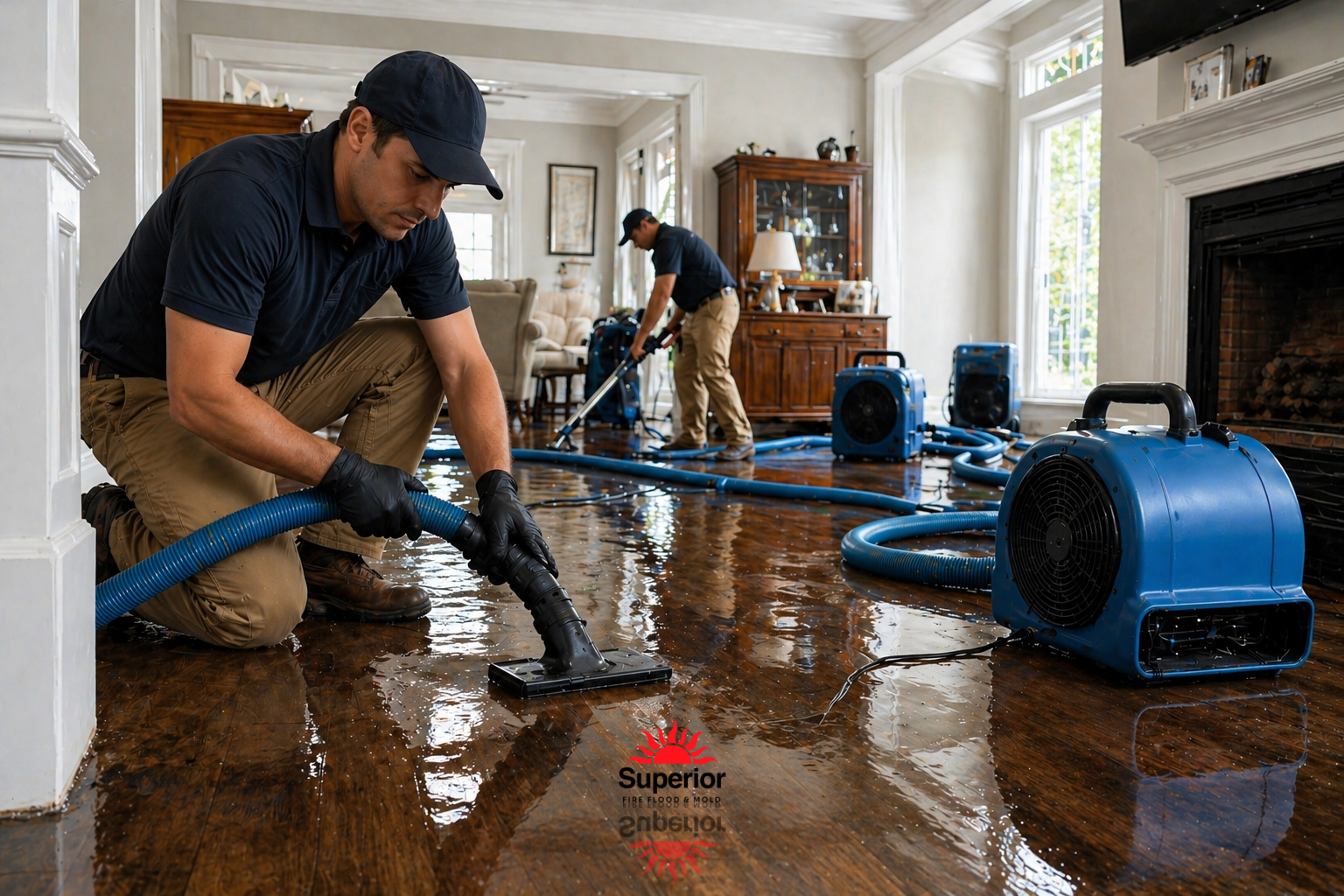
Getting rid of standing water and speeding up drying is key to avoiding structural damage and mold. Teams use industrial pumps and vacuums to remove water, then set up air movers and dehumidifiers to hit the right moisture levels. Depending on materials and conditions, drying might take days or even weeks.
4) Cleaning, Sanitizing, and Odor Control
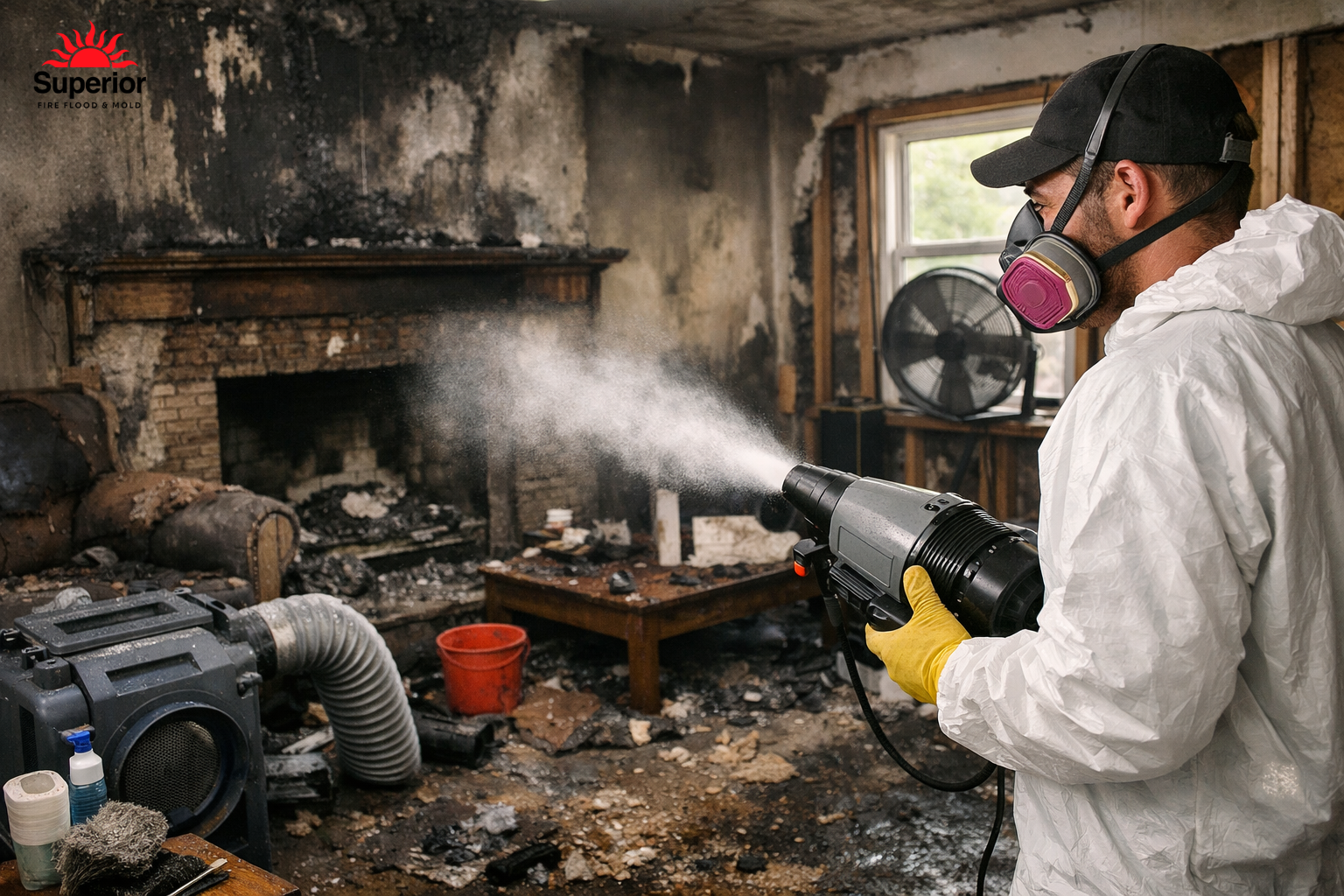
This step goes beyond wiping down surfaces. Techs use cleaning agents tailored to the specific mess—whether it’s sewage or soot—and follow safety guidelines for disposal. After a fire, they might use techniques like thermal fogging or ozone to neutralize odors. Proper cleaning also means checking and cleaning air systems to prevent airborne contaminants.
5) Mold Remediation and Microbial Control
Mold can start growing within a couple of days after water damage, so quick action is crucial. Mold remediation involves finding all affected areas, containing them to prevent spread, removing any contaminated materials, and thoroughly cleaning and drying everything. They might even do tests to make sure the mold is gone. If you suspect mold, reach out to mold remediation experts to handle it safely.
6) Reconstruction and Repairs
Often, restoration leads into repair and reconstruction. This can mean replacing drywall, flooring, or even rebuilding parts of the structure after major damage. The goal is to ensure everything that gets fixed is dry, safe, and free of contamination. Certified contractors work with restoration teams to get everything back in shape.
7) Final Inspection and Client Handover
The last step is making sure everything is up to snuff. This means checking drying goals, confirming repairs, and ensuring safety standards are met. Techs will provide documentation, before-and-after shots, and test results needed by insurers. They’ll also offer tips on maintenance and ways to lower future risks, helping you get back to normal with confidence.
Specialized Equipment and Techniques
Industrial-Grade Extraction and Drying Systems
Pros use industrial pumps, extraction units, and dehumidifiers that are way better than any consumer gear. These machines remove water faster and dry things out more efficiently, reducing hidden moisture risks. Energy-efficient models keep power use low while staying effective—a big plus as eco-friendly practices become more common.
Moisture Mapping and Thermal Imaging
Technicians use moisture meters, thermal imaging cameras, and hygrometers to find hidden moisture and track drying. Thermal imaging can show temperature changes behind walls, guiding targeted repairs. This tech cuts guesswork and ensures they fix the root problem, not just the visible symptoms.
Air Quality Control and Filtration
Air scrubbers with HEPA filters capture tiny particles, soot, and mold spores during cleanup. Negative air machines keep clean areas from getting contaminated. Keeping the air clean during restoration lowers health risks for everyone involved and helps get rid of pesky odors.
Eco-Friendly and Green Practices
The industry is moving toward greener options, like low-VOC cleaning agents and energy-efficient drying tools. These options protect health and cut down on environmental impact, which is especially important in schools, healthcare facilities, and older homes.
Digital Documentation and Automation
Digital tools make it easier to handle inspections, billing, and insurance. Automated drying systems can adjust based on humidity and temperature, giving consistent results with less manual work. This tech speeds up claim approvals and keeps homeowners in the know.
Time Sensitivity and Cost Considerations
Why Time Matters: Mold Timeline and Secondary Damage
Mold can start growing within a day or two, so acting quickly is key. The longer moisture hangs around, the more likely you’ll face structural damage and mold issues. Quick action cuts health risks and repair costs by stopping damage before it spreads.
Typical Cost Ranges and Variables
Restoration costs depend on the level of contamination, size of the area, and needed repairs. Minor cleanups might cost a few hundred to a few thousand dollars, while major jobs after big floods or fires can run tens of thousands. Costs vary based on whether materials need replacing, if there’s hazardous contamination, and local labor and material prices. For more on cost ranges, see Wikipedia’s water damage page.
Insurance Coverage and Common Gaps
Insurance policies vary, and not everything is covered by standard homeowner policies. Flooding, sewer backups, and long-term issues might not be covered unless you have extra endorsements. Documentation from a certified team can help with claims, but you should check your policy and ask specific questions about coverage for water, mold, and fire damage.
Value of Early Professional Intervention
Hiring professionals costs more than DIY, but getting help early can save money in the long run. Quick action minimizes material loss, cuts down on mold risk, and reduces the need for major repairs. Certified pros can document damage correctly, helping avoid claim denials or disputes.
Common Myths and Why DIY Often Falls Short
Myth: "I Can Dry It Out with a Shop-Vac and Fans"
Shop-vacs and home fans don’t have the power or control needed for proper drying. Pros use industrial gear and follow science-backed drying methods to hit target moisture levels. Without this thorough approach, moisture can hide in floors, walls, and insulation, leading to more damage and mold.
Myth: "If It Looks Clean, It’s Safe"
Just because something looks clean doesn’t mean it’s safe. Soot, smoke residues, and mold spores might be invisible but still pose health risks. Proper cleaning involves targeted chemical treatments, specialized filtration, and checks that go beyond appearance.
Insurance Myths and Misconceptions
Many assume insurance covers all restoration costs. But coverage depends on the policy, the cause of damage, and whether proper maintenance was done. Keep detailed records and ask your insurer what documents you need—then work with certified pros to provide it quickly.
When to Call Professionals
Call in the pros if water affects the structure, if there’s contamination or sewage, or if you see or suspect mold. They bring the right gear, follow safety protocols, and know how to clean, handle mold, and document everything to meet safety standards and insurer requirements. For more on handling fire damage even after the flames are out, check our post Why Fire Damage Isn't Over When the Flames Are Out.
Case Studies and Real-World Examples
Commercial Restoration: Debunking Myths
In commercial settings, downtime and reputation make restoration decisions trickier. A real-world case shows how quick action and clear communication kept a retail center open within days instead of weeks. By focusing on extraction and containment over surface cleaning, the team stopped mold from spreading and limited business disruption.
Residential Flood in a Seasonal Market
Homes in the Missoula area face flood risks during spring runoff and heavy storms. In one case, a basement flooded after a storm, but quick water removal, drying, and mold remediation prevented long-term issues. Early documentation and professional help ensured a smooth insurance claim and fast return home for the family.
Fire and Smoke: Hidden Damage and Odor Control
Fires leave behind soot, residues, and smoke odors that get into finishes and air systems. In a multi-family restoration, crews used special agents to clean soot, thermal fogging for odor, and targeted HVAC cleaning to make units safe again. Repairs addressed fire damage and smoke-damaged systems to prevent future problems.
Lessons Learned from Real Projects
Across projects, the same themes come up: quick action saves money, thorough documentation is key for claims, and you need specialized gear and trained teams to fully restore properties. These lessons apply to both homes and businesses, guiding whether to DIY or call in the pros.
Preparing and Preventing: Practical Steps for Property Owners
Quick Actions Immediately After an Event
Start with safety: cut the power if water hits outlets, avoid standing in dirty water, and call emergency services if there’s a hazard. Document damage with photos and videos before moving items, if it’s safe. Contacting a restoration company quickly means fast action and good documentation for insurance.
Maintenance and Risk Reduction
Regular maintenance lowers the chance of big restoration needs. Keep gutters clear, check roofs, maintain sump pumps, and seal foundation cracks to keep water out. In fire-prone areas, maintain defensible space and inspect chimneys and heating systems to lower fire risk.
Choosing the Right Restoration Partner
Pick a company with the right certifications, good reviews, and clear documentation practices. Look for IICRC certification, 24/7 service, and clear communication about what to expect. A reliable partner will explain the timeline, gear used, and checks so you know what’s happening.
Insurance and Documentation Checklist
- Take photos of all damage and belongings
- Keep receipts for emergency repairs and costs
- Get written work scopes and itemized estimates
- Save receipts for temporary housing or emergency costs
FAQs and Troubleshooting
How Soon Should Restoration Start?
Start restoration as soon as it’s safe—ideally within hours of finding a water issue or after ensuring fire systems are off. Quick action cuts the risk of mold and structural damage. Delay, and you’re likely looking at more repairs.
Will Insurance Cover Mold Remediation?
Insurance coverage for mold varies. Some policies cover mold from a covered issue (like a burst pipe), but not from long-term neglect. Check your policy and talk to your agent. Professional documentation often boosts the chances of a good claim outcome.
Can Smoke Odors Be Fully Removed?
Yes, most smoke odors can be removed with a mix of surface cleaning, air system cleaning, and odor-control tools. But complete removal might mean replacing heavily contaminated materials and using special methods. An assessment will find the best, most cost-effective solution.
What If I’m Unsure About Mold?
If you suspect mold, don’t disturb it and call in pros to assess, contain, and clean safely. Mold sampling isn’t always necessary; visual checks and moisture mapping often do the trick to figure out the scope and plan. For health guidance on mold, check out the CDC mold information.
Conclusion: Restoration Is a Technical, Multifaceted Process
A full restoration is a coordinated, scientific effort that goes way beyond cleaning. It calls for quick action, accurate assessments, specialized equipment, mold control, structural repairs, and solid documentation. Whether you’re dealing with water damage, fire, or mold, professional restoration makes sure the job’s done safely, effectively, and in a way that minimizes long-term risks and costs.
If you're in Missoula or nearby Montana areas and need expert help, Superior Fire Flood and Mold offers 24/7 service, certified technicians, and clear documentation to guide you through mitigation, mold removal, and reconstruction. For urgent help, reach out for water mitigation, thorough mold remediation, or complete fire damage restoration. For more on how fire damage sticks around after the flames, check our guide Why Fire Damage Isn't Over When the Flames Are Out.
For additional disaster recovery and flood preparedness tips in the U.S., check FEMA. If you have questions or need a quick assessment, call Superior Fire Flood and Mold at (406) 519-3357 or email ashcraftservices@hotmail.com. Our team’s ready to safeguard your property and bring back your peace of mind.
Call to action: Don’t wait until small damage becomes a major loss—reach out for a fast, professional assessment today and take the first step toward full recovery.