What to Expect During the First 3 Days After a Home Flood: A Practical Guide
Introduction: Why the First 72 Hours Matter
How This Guide Will Help
Dealing with a flood at home is tough. What you do in the first three days can really change how cleanup, repairs, and insurance claims go. This guide gives homeowners steps for safety, getting rid of water, cleaning, and when to get help from experts. You’ll find checklists, links to trusted resources, and real-life tips to help you make smart choices.
We’ll focus on practical steps you can take right away and point out when professional help could save time, money, and health risks. Need quick help? Our team is here for water mitigation and emergency response to minimize damage fast.
By the end of the first three days, you should know the extent of damage, have started removing water, completed insurance documentation, and have a plan for drying and sanitation. This sets a good foundation for easier repairs and mold control later on.
Why Acting Fast is Important
Water damage leads to a lot of restoration work across the country. Mold can start growing in just 24 to 48 hours in damp areas, and building materials break down quickly when wet. Acting quickly can save money, reduce health risks, and help save your belongings.
This guide uses trusted practices and resources from agencies like FEMA and the CDC to help you act fast and stay safe. This way, you can make decisions based on solid evidence.
How to Use This Guide
Look at the sections that fit your situation. Follow the checklists for the first 24 hours, then check out the sections on drying and cleaning for days two and three. If there’s structural damage or mold, jump to the sections about professional help. Keep this guide handy and share key steps with others helping you recover.
Immediate Actions (First 24 Hours)
Make Sure It's Safe to Enter
Safety comes first. Don’t go back into your home until local authorities say it’s safe. Floodwaters can hide dangers like downed power lines and gas leaks. Check resources from FEMA and the National Flood Insurance Program for when it’s safe to return.
Once you’re inside, be careful: wear sturdy shoes, avoid standing water until utilities are off, and watch out for unstable structures. Smell gas or hear hissing? Leave right away and call authorities. Keeping you and your family safe prevents more problems during recovery.
Turn Off Utilities and Secure Your Property
Floods can make utilities dangerous. If it’s safe, turn off electricity, gas, and water. If you see damaged wiring or smell gas, don’t touch switches; get professionals to help.
Utility companies or emergency responders might handle shutdowns—follow their advice and keep records. This keeps restoration crews safe, too, while they work to fix things.
Document Damage for Insurance
Documenting damage early is key for insurance claims. Take photos and videos of rooms and damaged items, noting the date and time. Keep damaged items separate and make a list of affected belongings to support your claim. Contact your insurance provider to start the claims process.
Water Removal and Drying (First 24–72 Hours)
Remove Standing Water Carefully
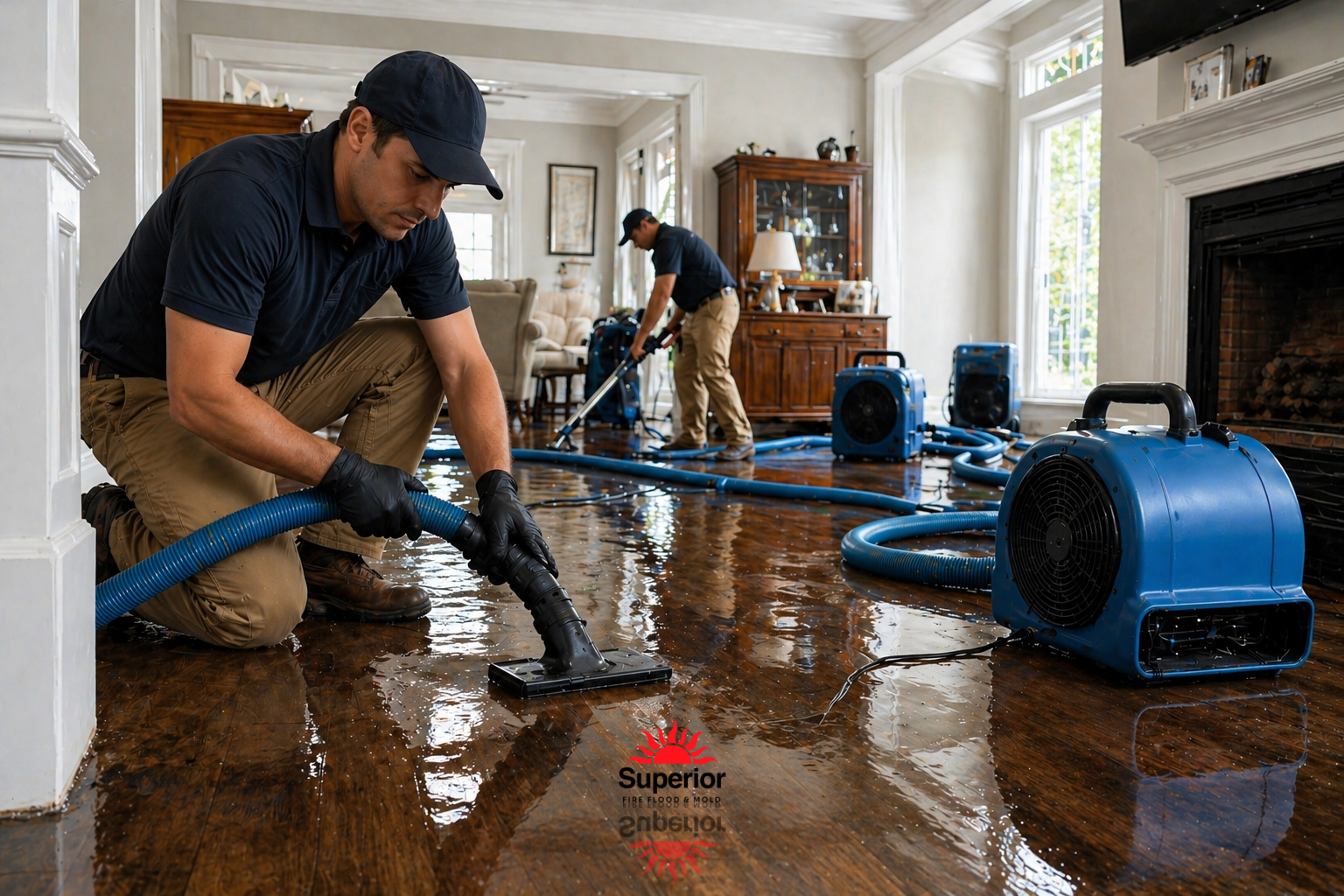
Getting rid of standing water is crucial to prevent further damage and mold. Only start if it’s safe. For small amounts, you might use pumps or wet/dry vacuums, but bigger or contaminated floods need professional help.
Pumping out water too quickly can stress damaged buildings, so pros know how to do it safely. If water is contaminated, avoid contact and call in experts to protect your health.
Ventilate and Speed Up Drying
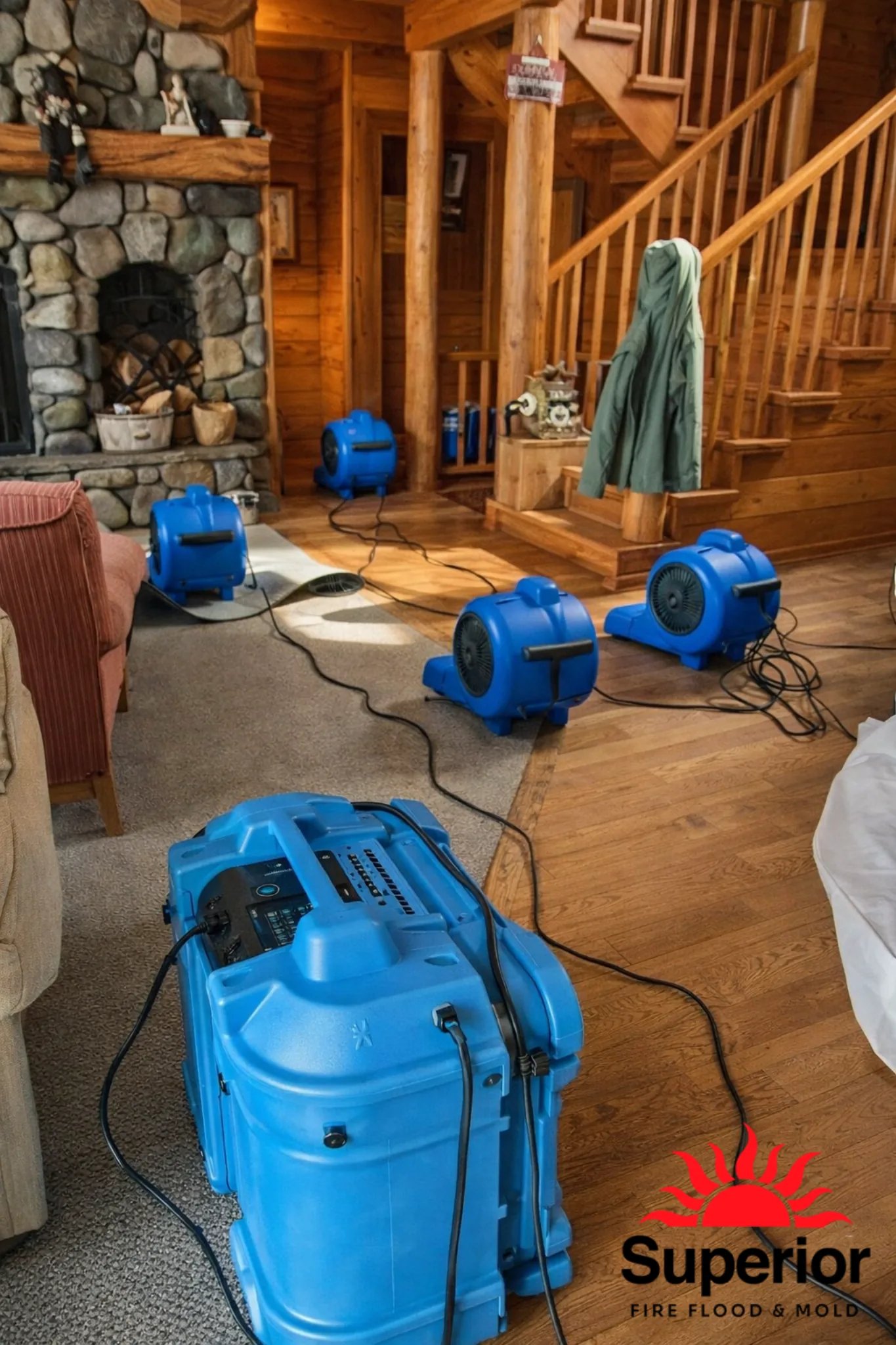
Once water is gone, open windows and doors to increase airflow if it’s safe. Use fans and dehumidifiers to dry things out. In colder areas or winter, like in Missoula, MT, keep the heat on to help drying. Pros use moisture meters to monitor progress and adjust equipment.
Remove Materials That Can't Be Saved
Some things can’t be salvaged, like carpets and drywall that stay wet. Removing them helps with airflow and prevents mold. Restoration pros can decide what to toss and what to save. If there’s lots of water, a specialist can safely remove and dispose of waste.
Cleaning and Disinfection (End of Day 3)
Clean Surfaces and Belongings
After drying, clean hard surfaces with soap and water. Some porous items may need professional cleaning or disposal. This step helps stop bacteria and odors. Document cleaning with photos to support insurance claims.
Disinfect to Lower Health Risks
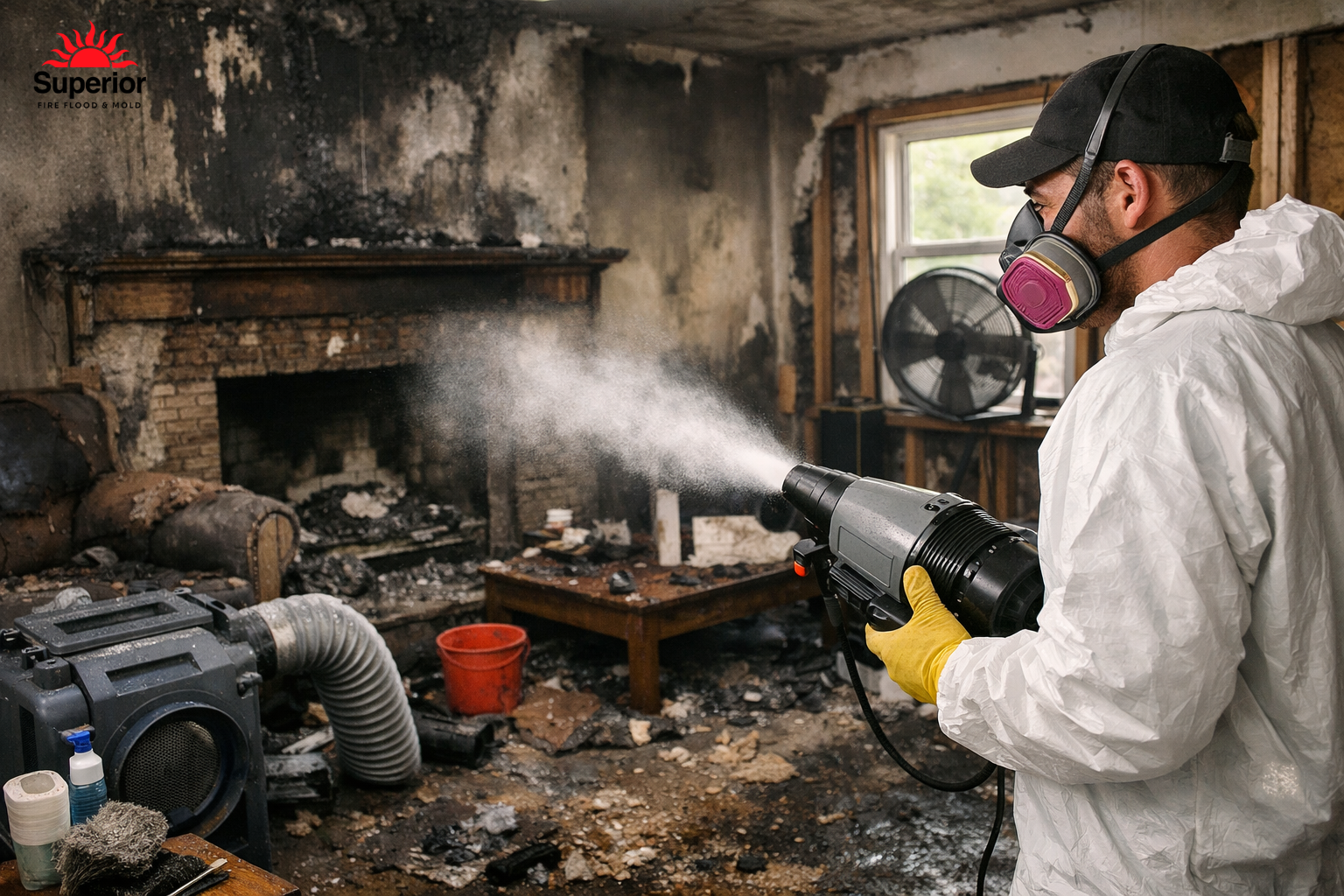
Disinfect surfaces to kill bacteria, viruses, and mold. Follow health agency advice for disinfection—diluted bleach is often recommended for non-porous surfaces. Use gloves and masks during cleanup. For complex contamination, call in experts.
Check for Mold and Hidden Damage
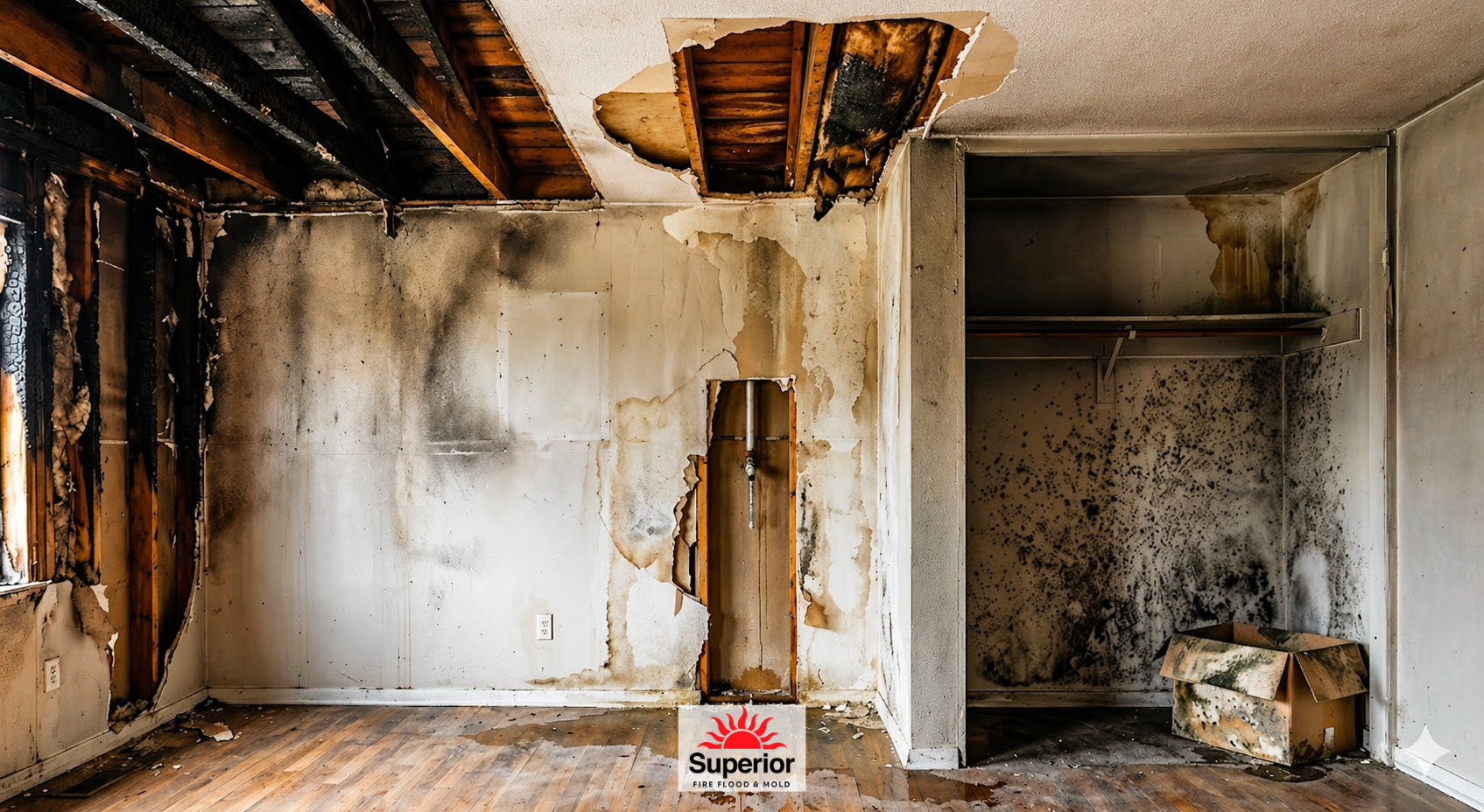
By day three, watch for mold signs like musty smells and dampness. If mold is present, professional help is best. Document mold with photos and notes. Pros use safe methods to remove mold and protect your home.
When to Call Professionals: Assessing Scope and Safety
When to Hire Experts
If flooding involves several inches of water or covers multiple rooms, or if there’s sewage, call in the pros. They have the tools and knowledge to handle tough jobs safely. Getting help early can save money and prevent further damage.
Choose Certified Teams
Look for certified restoration companies. They follow proper procedures and know how to handle water damage safely. Keep records of all work done to support insurance claims.
Leave Electrical, Gas, and Structural Repairs to Pros
Don’t try to fix electrical systems or gas lines yourself. Licensed pros should handle these repairs. They’ll make sure everything is safe and up to code. Talk with your restoration team about timelines and what needs to be done first.
Missoula-Specific Considerations and Local Resources
Drying Challenges in Missoula
Missoula’s cold weather can slow down drying, so heaters and pro equipment are important. In winter, keep the inside warm while drying. Local teams know how to adapt to Missoula’s climate for effective drying.
Local Help and Community Support
Missoula residents can access local disaster response groups for help and information. Keep local emergency numbers handy and look to community resources for aid after a flood.
Case Study: Missoula 2021 Flood
In 2021, rapid snowmelt and rain led to basement flooding in Missoula. Early water removal and professional drying helped reduce mold and repair costs. This shows the value of quick action and local knowledge in recovery.
Insurance, Documentation, and Financial Recovery
Filing Flood and Water Damage Claims
Start your insurance claims right away. Use your photos and inventory to support your claim. Understand your coverage limits and report quickly to avoid issues.
Keep Track of Costs and Expenses
Save receipts for repairs and lodging. Use a simple spreadsheet to track expenses for your claim. Detailed invoices from contractors help with insurance reimbursement.
Financial Help and Planning
If insurance doesn’t cover everything, look into local or federal aid. Plan repairs in stages to manage costs while recovering.
Prevention, Recovery Planning, and Long-Term Repairs
Immediate Repairs vs. Long-Term Upgrades
First, stop water and start drying. Then, focus on strengthening your home to prevent future damage. Work with contractors to make sure repairs are done in the right order.
Mold Remediation Strategies
Follow industry practices for mold removal, like containment and HEPA filtration. If mold appears after three days, get professional help to prevent spread and ensure safety.
Making Your Home More Resilient
Consider flood-resistant materials and improvements to reduce future risks. This can also help lower insurance costs. Talk to pros about the best upgrades for your home.
FAQ and Troubleshooting: Common Questions Homeowners Ask
How Long to Dry Out a Flooded Home?
Drying time depends on conditions. With professional help, it can take 3 to 7 days. Keep track of moisture readings to support insurance claims.
Can I Handle Cleanup Myself?
You can handle small, clean-water incidents with care. For bigger, more dangerous situations, hire certified pros to reduce risks and ensure thorough cleanup.
What If I Smell Mold But Don’t See It?
A musty smell might mean hidden mold. If you notice this, get a professional to inspect and handle any issues.
Conclusion and Next Steps
What to Remember for the First Three Days
The first 72 hours after a flood are key. Focus on safety, document damage, and start water extraction and drying as soon as you can. Clean and disinfect as you go and monitor for mold. Know when to call in professionals.
How Superior Fire Flood & More Can Help
If you need help, our certified team offers 24/7 emergency services, including water extraction, drying, and mold removal. We provide clear evaluations and timelines. Learn more about our services on our website and contact us for immediate help at (406) 519-3357. Visit our pages on water mitigation and mold remediation for more info.
Additional Resources
Check the National Flood Insurance Program’s checklist at floodsmart.gov and the CDC’s mold cleanup info at cdc.gov/mold. The EPA offers advice on mold remediation at epa.gov/mold. These resources, along with professional help, can guide you through recovery.
Call to Action
If you’re dealing with flood damage or need advice, don’t wait. Contact Superior Fire Flood & More for a quick assessment and emergency help. Call (406) 519-3357 to start protecting your property. Quick action can make all the difference.