After a fire, one of the toughest calls you might have to make is deciding whether your damaged belongings can be salvaged or need to be replaced. It’s rarely a straightforward answer. Factors like the type of item, how badly it’s been affected by soot and smoke, its structural soundness, and the overall cost and timeline for recovery all play a role. Making the right choice can help protect your health, reduce expenses, and get you back to normal life faster.
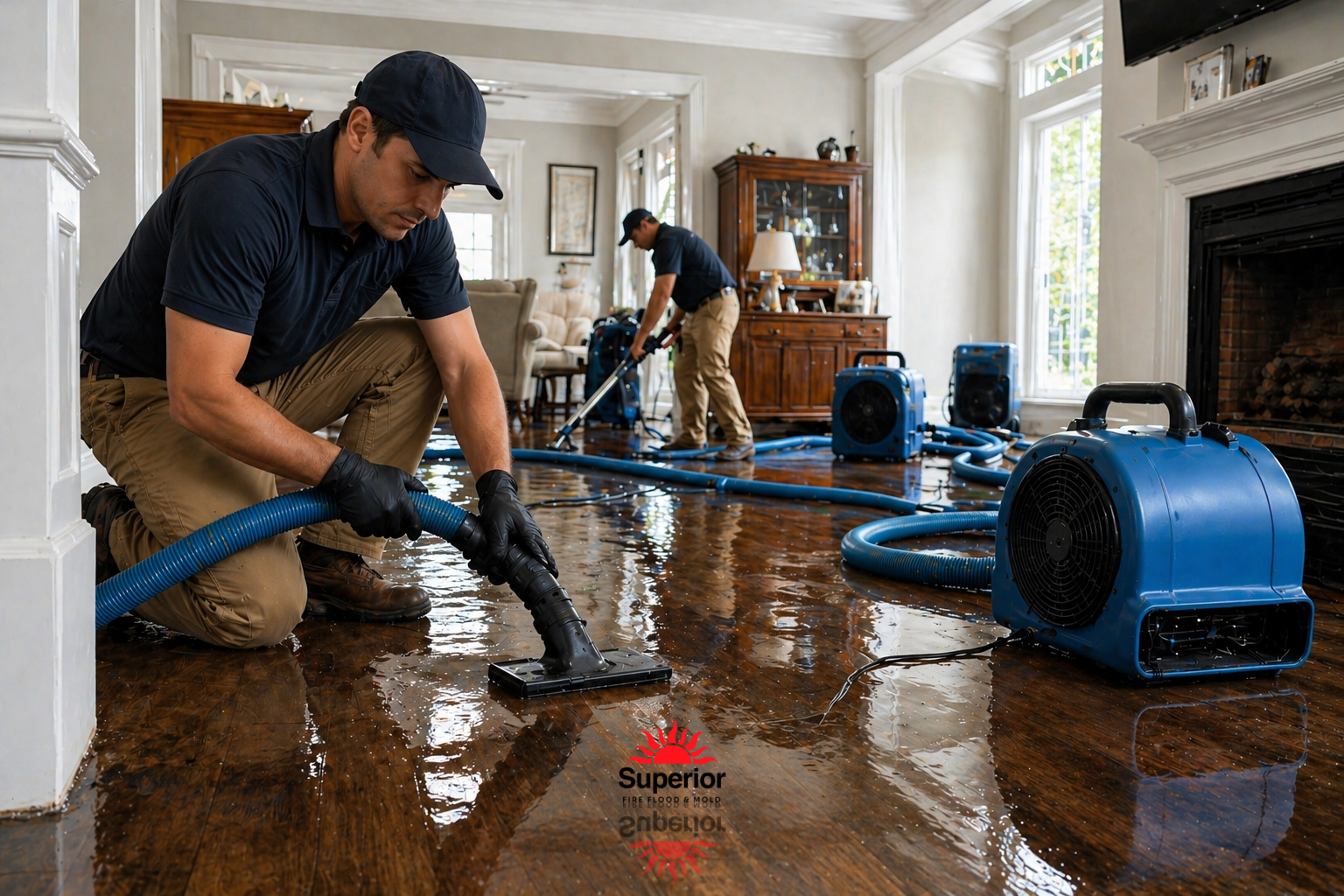
If you're in this situation, understanding the importance of a professional evaluation is crucial. Fires leave behind more than just visible damage. Smoke odor, acidic soot, and hidden moisture from efforts to put out the fire can cause long-term issues. That’s why many people choose to start with a full assessment through fire damage restoration before deciding what to keep or toss. If your property also has water damage from firefighting efforts, combining that with water mitigation can prevent further damage and mold growth.
Thanks to modern restoration technology, saving items is more possible than ever. Techniques like hydroxyl generators, thermal fogging, and ozone treatments help reduce odors and sanitize spaces. These methods improve the chances of restoring furniture, contents, and even some parts of the structure that might have seemed beyond saving. For more on the recovery process, check out our related article, " What a Complete Restoration Process Really Includes.
Why the Restore-or-Replace Decision Matters
Financial impact after a fire
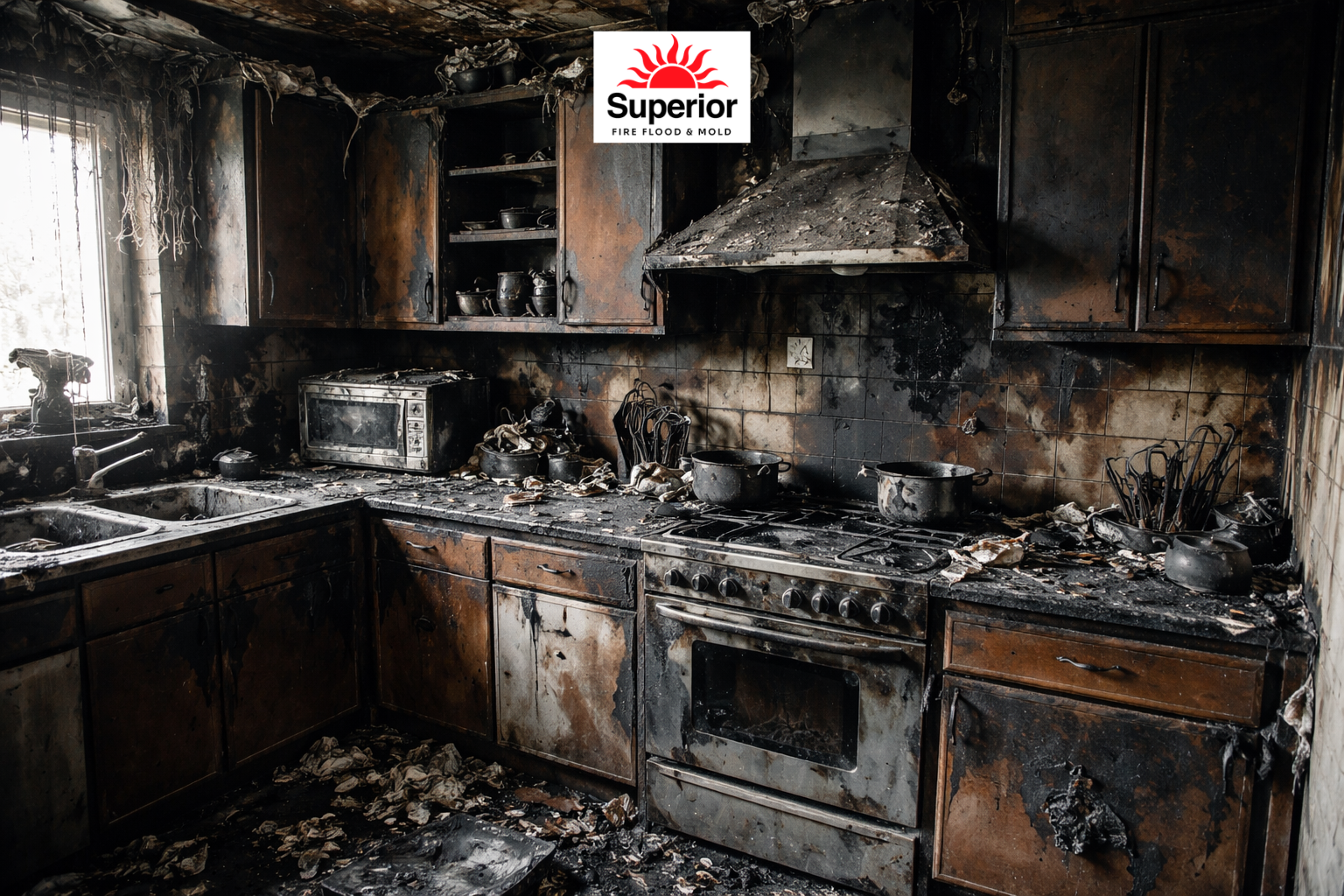
Fire damage is costly, and the numbers are shocking. According to the National Fire Protection Association, in 2015, there were over 1.3 million fires in the U.S., causing $14.3 billion in property damage. This kind of loss highlights why making careful decisions about what to save is so important. Replacing everything can quickly skyrocket costs, while strategic restoration can preserve value and help keep insurance claims in check.
But restoration isn't always the cheaper option. When materials are heavily contaminated, structurally damaged, or involve hazardous materials, replacement might be the safer and more practical choice. The key is not to guess but to base your decisions on a clear assessment of the damage and the standards that apply to your project.
Health and safety considerations
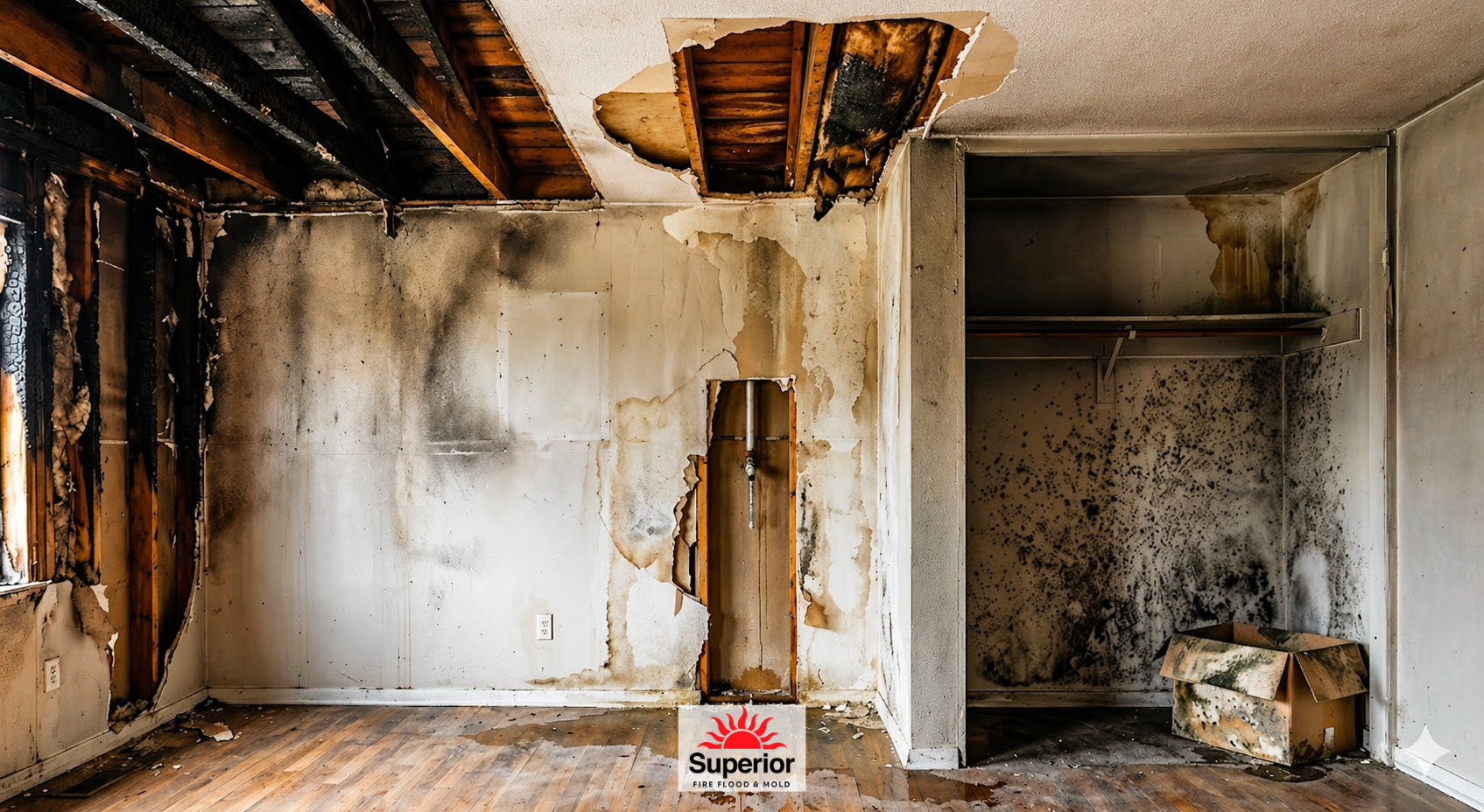
Smoke residue isn’t just dirt; it can contain corrosive byproducts, particulates, and odor-causing compounds that linger in porous materials and hidden spots. When moisture from firefighting is thrown into the mix, the risk of mold grows significantly. The Centers for Disease Control and Prevention notes that mold can start growing in damp spots within 24 to 48 hours, making quick action crucial after a fire.
This is why a professional assessment should check not just the surface, but also what’s soaked into an item’s inner layers. Upholstered furniture, drywall, insulation, carpet, and some textiles can trap odor and contamination deep inside. Non-porous surfaces, however, often stand a better chance of being successfully cleaned and deodorized.
What Fire-Damaged Items Can Often Be Restored
Non-porous materials and durable surfaces
Items made of glass, metal, sealed wood, stone, and some plastics are often the best candidates for restoration. These materials don’t absorb smoke and soot as much as porous items, meaning cleaning can remove a lot of the contamination. Usually, the main challenge isn’t structural failure but odor, residue, and cosmetic damage.
Cabinet hardware, appliances with intact surfaces, countertops, tile, and metal fixtures can usually be cleaned, sanitized, and put back to use. A professional restoration team will typically test cleaning methods on a small area first, then use specialized products safe for the material. If the fire is contained quickly and contamination is limited, restoration can save significant parts of your property without the delay and cost of full replacement.
Contents with sentimental or financial value
Many want to save heirlooms, photos, documents, and expensive furnishings. These items might not look promising at first, but content restoration specialists often have options that go beyond ordinary cleaning. Techniques like ultrasonic cleaning, controlled drying, deodorization chambers, and targeted stain removal can sometimes recover items that would otherwise be thrown away.
This is crucial for business owners needing to salvage equipment, records, and inventory. In some cases, restoration can cut downtime while helping maintain business continuity. If the fire affected areas where moisture spread, combining contents recovery with mold remediation might be necessary to keep the indoor environment safe after cleanup.
When restoration is usually the smarter choice
Restoration often makes sense when damage is limited to smoke residue, odor, or light surface charring. It’s also often the better choice when the item is structurally sound, and the restoration cost is lower than replacing it. From an environmental perspective, saving materials instead of sending them to landfills can also reduce waste and support more sustainable recovery practices.
That environmental benefit is important. Fire recovery can generate large amounts of debris, and replacing every salvageable item increases the overall impact of the disaster. For homeowners wanting to make a responsible decision, restoration offers a way to balance safety, budget, and sustainability.
When Replacement Is the Safer Option
Severe contamination and porous materials
Some items are too damaged to justify restoration. Porous materials like insulation, upholstery padding, unfinished wood, and certain fabrics can absorb soot, smoke, and moisture so deeply that cleaning becomes unreliable. Once contamination has penetrated beyond the surface, lingering odor and hidden residue may continue to affect indoor air quality long after the apparent cleanup is finished.
Category 3 contamination, involving highly contaminated water or hazardous residues, often signals a replacement decision for porous items. Similarly, if an item cannot be fully dried in time, the risk of microbial growth increases. That’s why restoration professionals often weigh the cost of a salvage attempt against the certainty and safety of replacement before making a recommendation.
Structural damage and regulated materials
Replacement is usually required when a fire has compromised structural integrity. Load-bearing parts, framing members, or assemblies weakened by intense heat may no longer be safe even if they look intact. In these cases, a temporary cosmetic repair isn’t enough because the long-term safety of the property is at stake.
Replacement is also the right choice when regulated materials are involved. If asbestos, lead paint, or other hazardous substances are disturbed, the work must be handled according to applicable laws and safety procedures. The U.S. Environmental Protection Agency’s asbestos guidance is a helpful reference for understanding why these materials need special treatment. A qualified restoration company will identify these concerns early and adjust the recovery plan accordingly.
Cost, timing, and insurance thresholds
Industry standards from the Institute of Inspection, Cleaning and Restoration Certification guide the restore-or-replace decision. Generally, restoration is recommended when contamination is limited, drying standards can be met, and the cost stays below the insurer-accepted replacement threshold. When those conditions aren’t met, replacement is often better both financially and operationally.
Insurance timelines matter too. Sometimes a replacement project drags on because materials must be ordered, permits are required, or multiple trades are involved. If a quicker restoration can safely return part of the property to use, that might reduce disruption and make the claim process easier to manage. The decision should balance risk, cost, and timeline rather than focusing on one factor alone.
How Professionals Evaluate Fire-Damaged Items
Step one: identify the material and contamination level
The first step is figuring out what the item is made of and how bad the damage is. Non-porous surfaces respond differently to cleaning than absorbent materials, and smoke from different fuel sources can create different residues. Protein fires, for instance, often leave an especially stubborn odor, while synthetic materials can produce sticky soot that coats surfaces more aggressively.
Technicians also look at where the item was during the fire. Items in the direct burn area are often treated differently from those exposed only to airborne smoke. This distinction matters because a surface may look salvageable even when the internal contamination is too severe to remove completely.
Step two: test restoration methods safely
Professionals generally start with a small test cleaning on an inconspicuous area. This helps them confirm whether the material will respond well to the chosen method and whether color, texture, or finish might be affected. Once the test area passes, they move to more comprehensive cleaning, deodorization, and sanitizing steps.
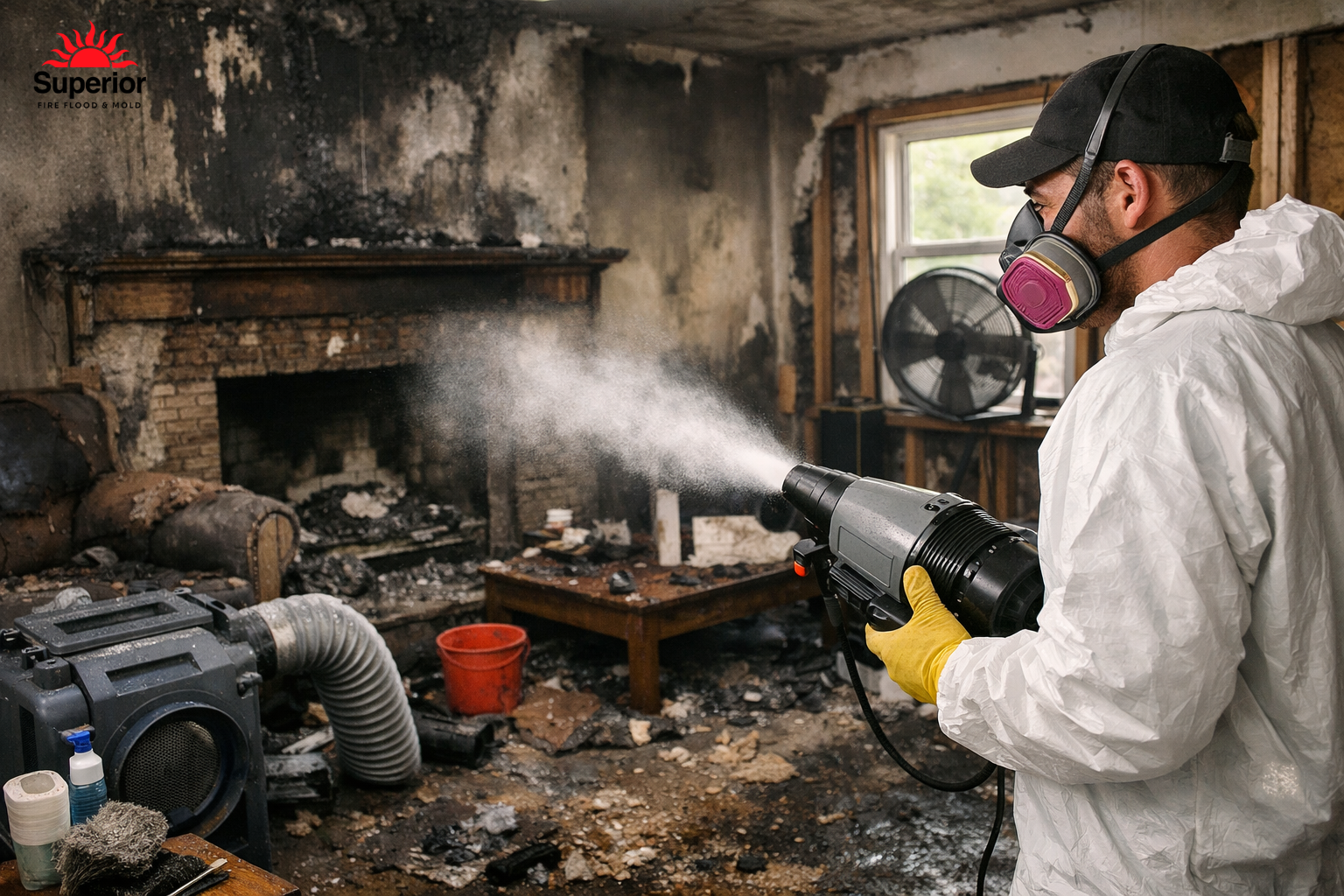
Modern fire restoration also uses equipment designed to remove odors at a molecular level. Hydroxyl generators are often favored in occupied or sensitive settings because they can operate more safely than some traditional treatments. Thermal fogging and ozone treatments may also be used in controlled environments to neutralize odor compounds that standard cleaning cannot reach. These tools have expanded what can be salvaged, especially when paired with a well-planned contents recovery strategy.
Step three: Compare restoration cost against replacement
Cost analysis is central to the final recommendation. A practical rule is to compare the full restoration expense, including labor, materials, deodorization, drying, and any follow-up work, against the cost of replacement. Restoration is often more economical for high-value items or materials that are difficult to source.
Public cost estimates can vary widely depending on the scope of the loss. Some sources note that kitchen remodeling can run from $14,600 to $41,300, while fire restoration may fall in a lower range depending on the damage and the scope of the project. Even though every claim is different, these comparisons show why a professional estimate matters. Owners should also remember that replacement may involve hidden costs such as disposal, permits, and lost time.
Current Trends in Fire Damage Restoration
Advanced deodorization and sanitation methods
One of the biggest developments in recent years is the increased effectiveness of odor removal and sanitization. Hydroxyl technology, thermal fogging, and ozone treatment have become standard tools in many restoration programs because they help address both visible and invisible damage. These innovations have changed the restoration-versus-replacement conversation by making salvage a realistic option in more situations.
That said, technology is only one part of the process. The best outcomes still come from skilled technicians who understand how different materials react to heat, smoke, moisture, and cleaning chemistry. The tools are useful, but judgment is what determines whether they should be used and how aggressively they should be applied.
More sustainable recovery decisions
Environmental impact is another reason restoration is gaining traction. Replacing everything after a fire creates large amounts of waste, uses new raw materials, and increases transportation demands. Salvaging items that can be safely returned to use helps reduce landfill contribution and supports a more sustainable recovery model.
This trend aligns with broader consumer preferences for efficiency and responsible resource use. Property owners increasingly want recovery plans that protect both their investment and the environment. Restoration can do both when it is guided by a careful evaluation and supported by proper cleaning methods.
Better documentation and claim support
Another major development is the emphasis on documentation. Photo logs, moisture readings, odor assessments, and itemized salvage recommendations help explain why an item was restored or replaced. This transparency can make insurance claims easier to process and reduce confusion later in the project.
For property owners, documentation also creates peace of mind. It provides a record of what was damaged, what was cleaned, what was discarded, and why those decisions were made. That level of clarity is especially useful when recovery is complex or when the property contains a mix of salvageable and unsalvageable materials.
Real-World Examples and Local Recovery Considerations
Contents restoration in practice
In many restoration projects, the biggest savings come from saving contents rather than replacing them. Furniture, electronics, shelving, and stored inventory may be recoverable if the fire was limited and the contamination did not fully penetrate the materials. Local restoration teams often use board-up, debris removal, contents cleaning, and structural repairs in a coordinated plan to speed recovery.
Cases in Missoula and surrounding Montana communities show how important that coordination can be. A property may need immediate emergency protection, followed by a careful assessment of what can be cleaned and what must be replaced. For example, our team often integrates post-fire safety guidance with practical salvage decisions so owners understand what happens next.
Why local knowledge matters
Local climate and building practices influence restoration decisions more than many people realize. Montana’s seasonal humidity changes, temperature swings, and construction styles can affect drying times and odor control. A team familiar with these conditions can better estimate which items will respond well to restoration and which may be at higher risk for secondary damage.
For property owners in Missoula, working with a regional team also means faster response and better coordination with local expectations. If you are comparing options and want to speak with a certified crew, our Missoula service area page explains how we support nearby homes and businesses with prompt recovery services.
Common Questions About Fire-Damaged Items
How do I know if an item can be restored?
The best way to know is to have it assessed by certified restoration professionals. They can inspect the material, identify the type of contamination, and determine whether cleaning and deodorization will be effective. Items that are non-porous, structurally sound, and only lightly contaminated are often good candidates for restoration.
If an item holds sentimental value, it is worth asking for a salvage evaluation even if it looks beyond repair. Many items that appear ruined can be saved with specialized treatment, especially when the damage is limited to the surface or odor layer. The sooner the evaluation happens, the more options are typically available.
How long does restoration usually take?
Restoration timelines vary, but moderate projects often take two to four weeks, while full replacement can stretch to two to three months or more. The difference matters because a faster return to normal can reduce stress, limit business interruption, and prevent further deterioration. Quick action after the fire is often one of the strongest predictors of successful salvage.
That is also why emergency response is so important. The first hours and days after the event can determine whether smoke and moisture become a short-term issue or a long-term problem. The faster the environment is stabilized, the better the chances of saving more of the property.
What should I do right after a fire?
Safety comes first. Do not re-enter until authorities say it is safe, and avoid using electrical systems or appliances until they are checked. Once access is permitted, document visible damage, contact your insurer, and call a restoration company as soon as possible so mitigation can begin quickly.
If water was used to extinguish the fire, ask about drying and structural monitoring right away. Water that sits in walls or flooring can create mold conditions within days, which can complicate the restoration plan significantly. A combined approach often produces the best outcome because it addresses both fire and moisture damage at the same time.
Working With Certified Restoration Professionals
Why credentials and communication matter
Certified professionals bring more than equipment to the project. They bring a process for evaluation, cleaning, documentation, and communication that helps owners make informed decisions. IICRC-aligned best practices are especially useful because they provide a consistent framework for determining whether restoration or replacement is appropriate.
Clear communication is equally important. Owners should receive a straightforward explanation of what can be saved, what cannot, and what the timeline will likely look like. That transparency builds trust and helps avoid surprises during an already stressful time.
What to expect from a quality restoration plan
A strong plan should include emergency stabilization, debris removal, smoke and soot assessment, odor treatment, content cleaning, structural repairs, and final verification. It should also identify any special concerns, such as mold risk, regulated materials, or hidden moisture behind surfaces. The more detailed the plan, the easier it is to coordinate the work and keep the recovery moving.
If your property also has signs of water intrusion from firefighting efforts, it may be wise to review our first 72-hour flood guide. Fire recovery and water recovery often overlap, and understanding both can help you avoid missed steps and preventable damage.
How Superior Fire Flood and Mold can help
At Superior Fire Flood and Mold, our focus is on fast response, honest evaluation, and high-quality workmanship. We help property owners in Missoula, MT, and nearby communities determine whether restoration or replacement makes the most sense for each item and each area of the building. Our certified technicians use proven methods to stabilize the property, reduce loss, and guide the next steps with confidence.
When you need practical advice after a fire, a professional assessment is the fastest way to separate salvageable items from those that should be replaced. If your home or business has smoke, soot, odor, or water damage, contact our team to discuss the safest path forward and get the recovery process started right away. For direct service details, visit fire damage restoration or reach out through our website at firefloodmoldexperts.com.
Final Takeaway: Restore What You Can, Replace What You Must
So, can fire-damaged items be restored, or should they be replaced? In many cases, the answer is both. Non-porous, structurally sound, and lightly contaminated items are often excellent candidates for restoration, especially when modern deodorization and cleaning methods are used. Severely contaminated, porous, or structurally compromised items, however, are usually safer and more practical to replace.
The smartest approach is to base the decision on damage severity, material type, cost, safety, and long-term performance. If you are unsure, do not guess. Work with a certified restoration professional who can assess the damage, explain the options, and help you protect both your property and your peace of mind.
Need help deciding what to save after a fire? Contact Superior Fire Flood and Mold for prompt, professional guidance and a restoration plan tailored to your situation.