Why Fire Damage Isn't Over When the Flames Are Out
Introduction: The Hidden Aftermath
More Than Flames
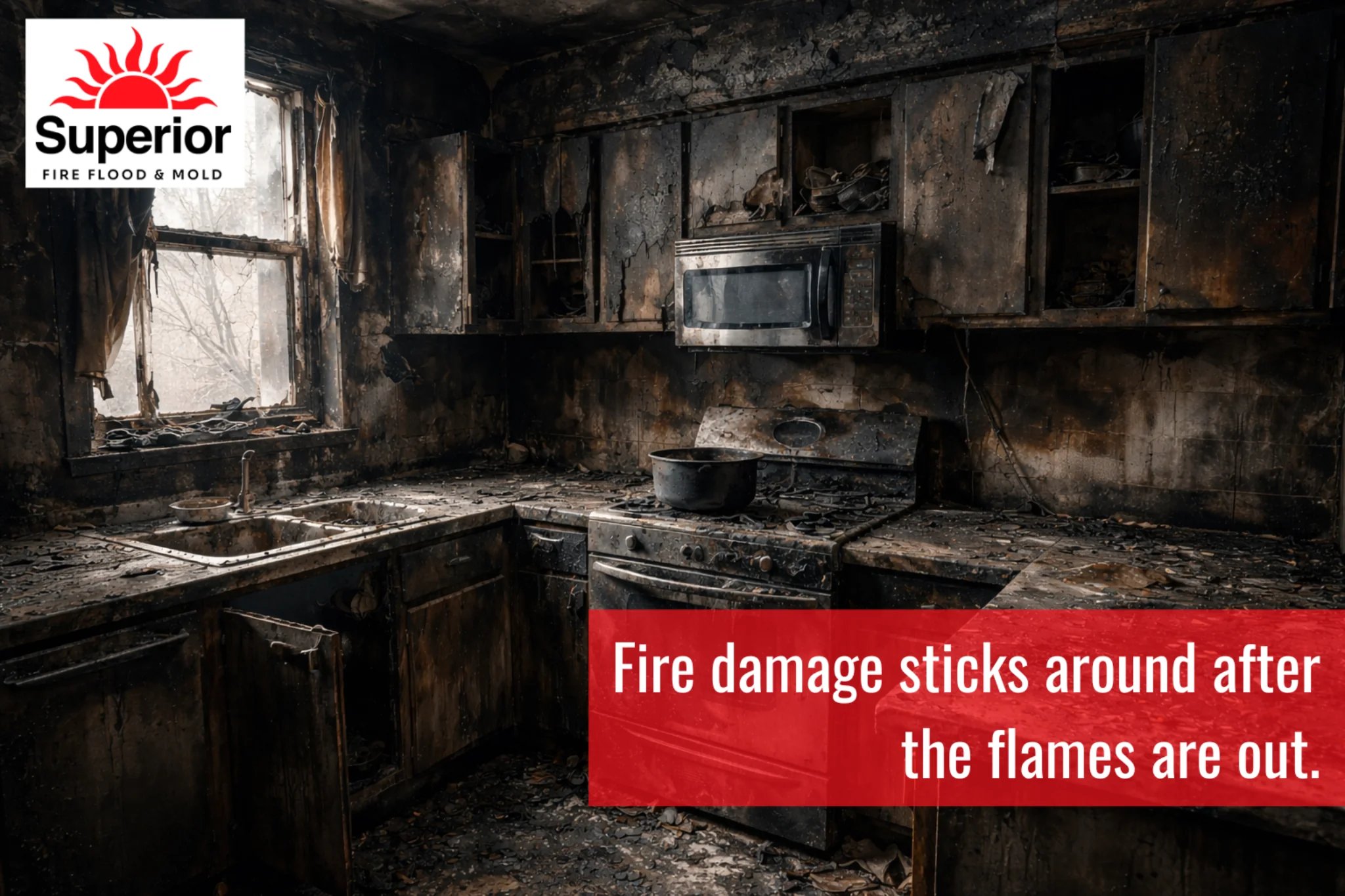
When a fire gets put out and the smoke clears, it's natural to feel relieved. The immediate danger is gone, but it doesn't mean everything's okay. Fire damage isn't just about the flames; it lingers, affecting buildings, air quality, and even health.
What You’ll Learn in This Guide
This guide breaks down why fire damage sticks around and what you can do about it. We'll cover structural issues, smoke, and soot contamination, water damage from firefighting, health risks, and even some high-tech restoration tips. Let's dive in!
Immediate Next Steps After a Fire
Once firefighters leave and you're allowed back, your first moves should be securing the place, documenting damage, and calling in the pros. Get in touch with experts in fire damage restoration who can check things out and start fixing up. Taking photos and making an inventory will also make dealing with insurance easier.
How Fire Affects Building Materials and Structure
Heat Damage and Structural Integrity
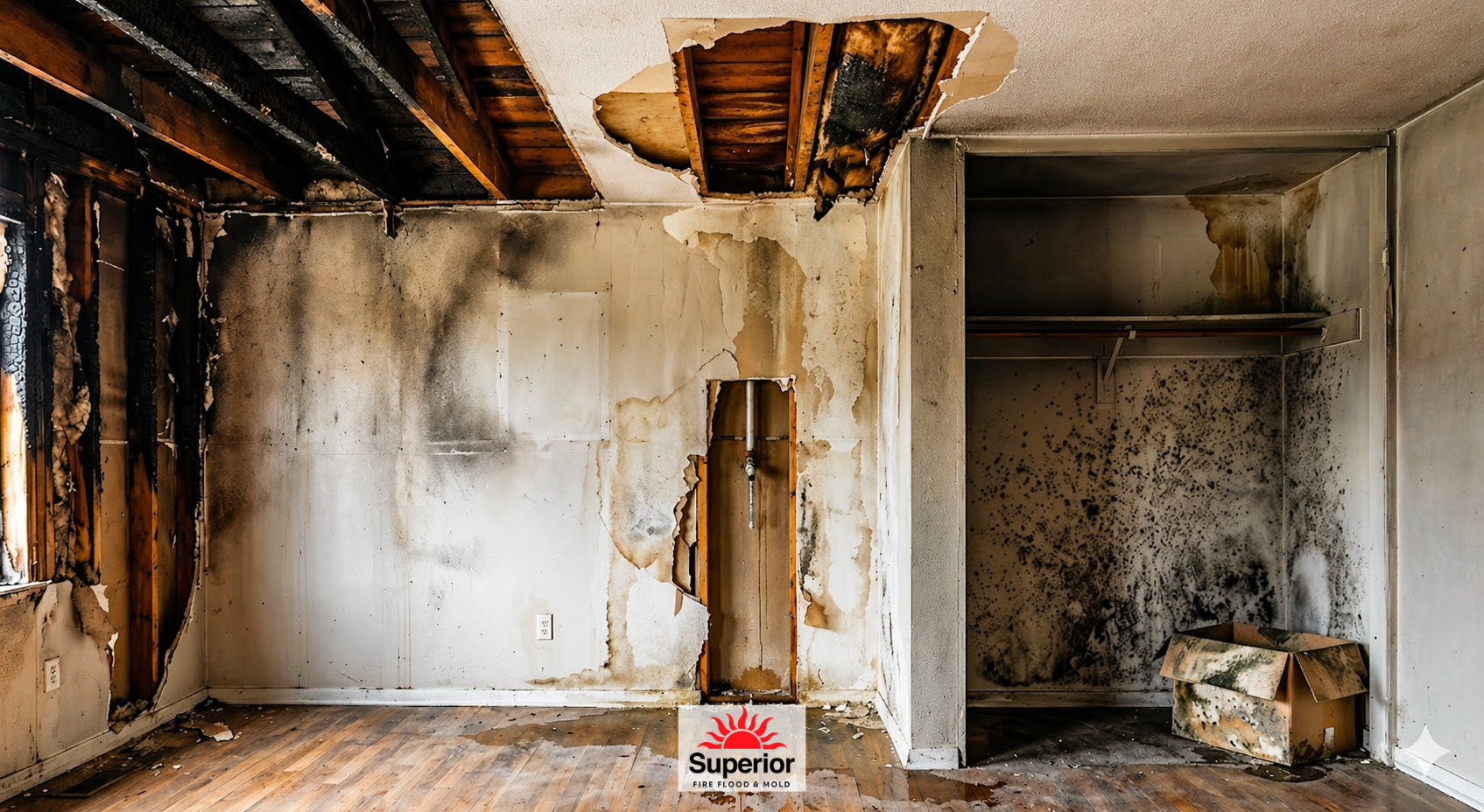
Fire's heat can change building materials. Wood might char, steel might weaken, and you might not see the damage right away. Sagging floors or bowed walls could be signs of bigger problems later. That's why a professional check-up is key to spotting hidden issues.
Structural engineers or restoration pros use special tools to check for these problems. Without their help, you might move back in too soon or fix things the wrong way, making it costlier in the long run.
Smoke, Soot and Chemical Permeation
Smoke and soot get everywhere, even into tiny nooks. They’re not just dirty; they're acidic and can ruin surfaces over time. Regular cleaning methods might not cut it for these stubborn residues.
Deep cleaning, sometimes even removing parts of the building, might be necessary. Doing this early can save you from future headaches like having to replace things later.
Chemical Residues from Combustion
Burning household stuff can release nasty chemicals. Plastics and treated fabrics might leave behind harmful residues. These can stick around and pose health risks.
Knowing what chemicals are present helps choose the right cleaning methods. Sometimes, air tests and sampling are needed to make sure it's safe to come back.
Water Damage and Secondary Moisture Problems
Water Used to Extinguish Fires Creates a New Threat
Water is great for putting out fires but not so great for your home. It can soak into everything, leading to more damage. If ignored, it can ruin fire repairs and lead to mold.
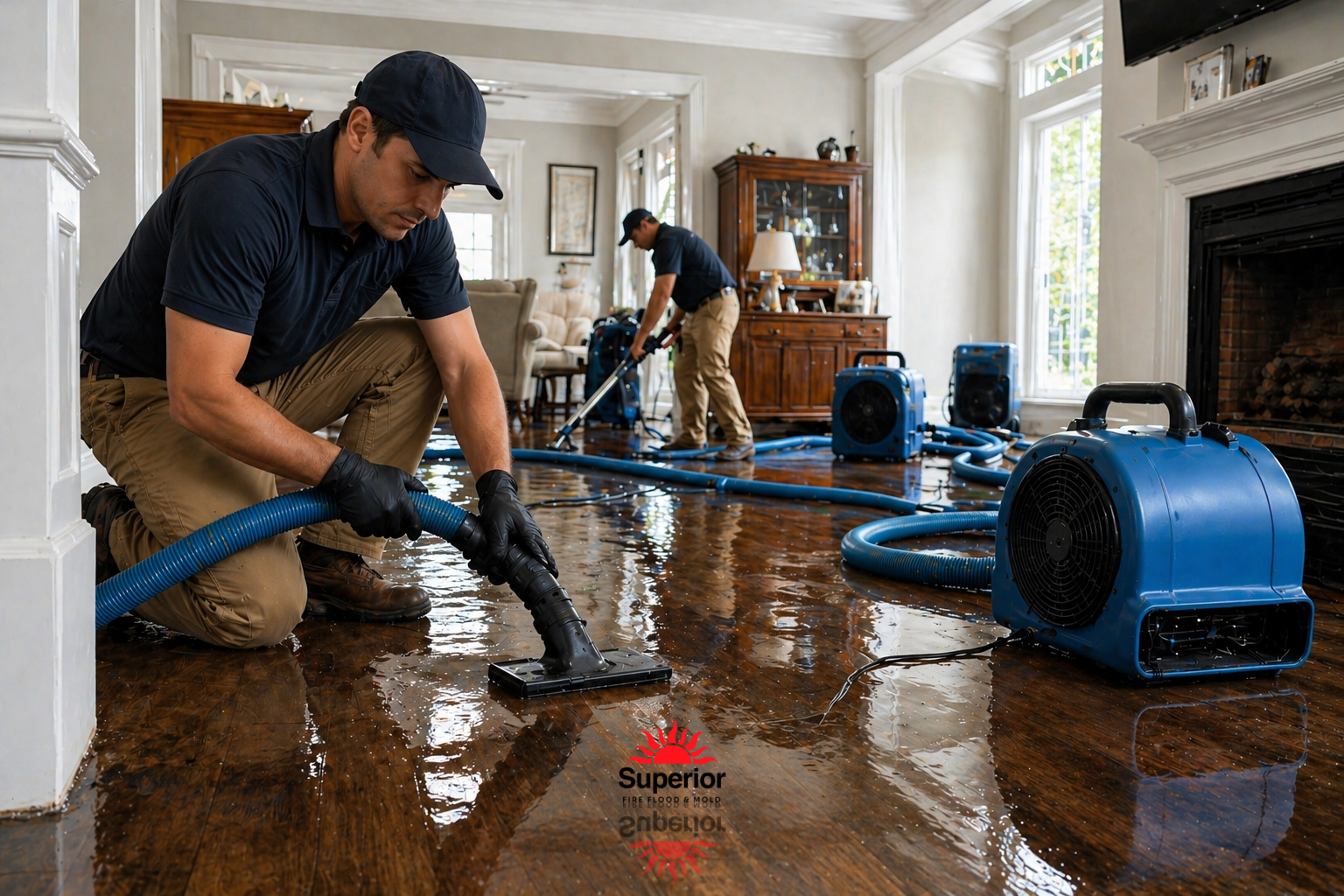
Getting water out fast is crucial. Professional water removal and drying can prevent long-term issues.
High Risk of Mold Growth After Fires
Wet spots left for a day or two can become moldy, especially in places like wood and paper. Mold can make things worse and cause health issues too.
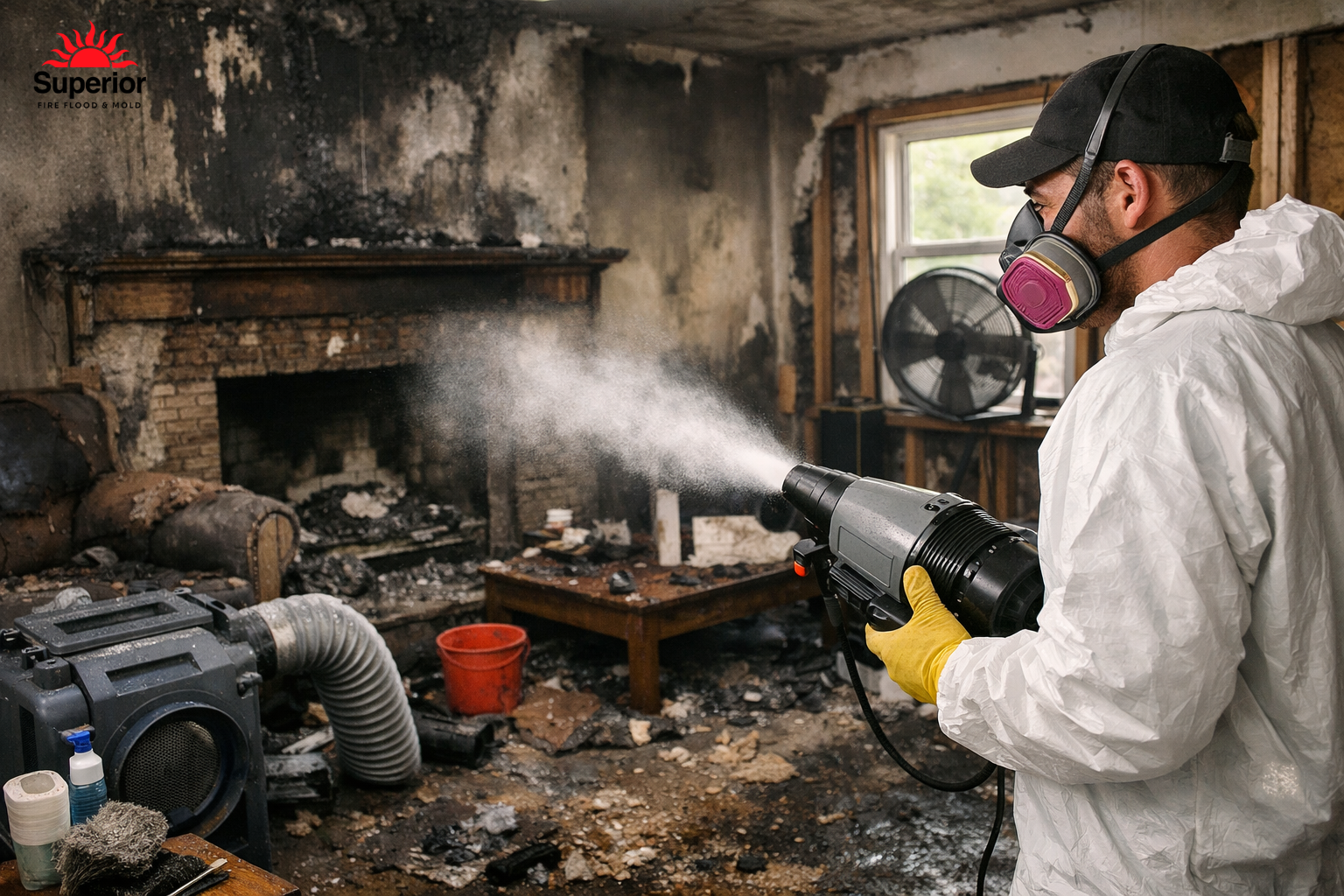
If you spot mold or had a lot of water, call in mold remediation experts. They’ll contain it, remove affected materials, and use filters to protect the space.
Water Mitigation Best Practices
After a fire, quickly pump out water, remove wet stuff, and dehumidify. This, combined with treatments to kill germs, can keep things dry and safe.
Working with water mitigation pros early can cut down the time and cost of repairs. They use special tools to find hidden water and fix it.
Health Risks: Smoke, Soot, and Chemical Exposure
Immediate Health Hazards
Smoke can be a big health risk right after a fire. It might contain harmful gases and particles that are bad for your lungs and heart. If you've been exposed, seek medical help immediately.
Authorities advise waiting until it’s safe to go back in. Protective gear is a must for cleanup.
Long-Term Respiratory and Chemical Concerns
Long-term exposure to soot can make respiratory problems worse. Testing air quality and cleaning thoroughly can help make the place safe again.
For more on smoke and health, check out the CDC’s guide.
Protecting Vulnerable Populations
Kids, seniors, and people with health issues are more sensitive to smoke. Extra precautions might be needed for these groups, like more containment and air testing.
Healthcare professionals can give personal advice, and test results help decide when it's safe for everyone.
Structural Assessment: When and How to Evaluate Damage
Safe Re-Entry: Who Decides?
Fire departments and inspectors usually say when it's okay to re-enter. Their okay means immediate dangers are gone, but a detailed check by experts is still needed before repairs.
Skipping this step could mean walking into unsafe environments. Always go for expert inspections first.
Comprehensive Structural Inspections
Fire damage checks look at everything from support beams to hidden parts of the structure. Inspectors use gadgets like moisture meters and sometimes infrared cameras to check for damage.
The results guide what needs fixing or replacing and help with insurance claims.
Repair Priorities and Timelines
How long repairs take depends on the damage. First, stabilize the structure and secure it. Then move on to cleaning and full restoration.
With moderate damage, it could take weeks to months. More severe cases take longer. Good communication helps manage expectations.
Advanced Restoration Techniques and Technology
Infrared Imaging and Moisture Mapping
Infrared cameras and moisture meters help find hidden trouble spots, making drying and repairs more efficient. These tools save time and keep things as intact as possible.
Sharing this data with homeowners and insurers builds trust and shows progress.
3D Scanning and Digital Documentation
3D scans create accurate models of damage, aiding in planning and repairs. They speed up estimates and keep a record of conditions before and after restoration.
This tech is handy for complex projects or historic buildings where accuracy matters.
Innovations in Cleaning: AI and Specialized Systems
New cleaning methods use advanced filters and smart solvents to tackle tough smoke and soot stains. While no single tool does it all, combining tech with manual cleaning works best.
For research on fire restoration, check out the NIST Fire Research page.
Insurance, Costs, and Market Trends
Understanding Coverage and Claims
Insurance policies differ in what they cover for fire damage. Check your policy, document everything, and talk to your insurer quickly. Good documentation can help with claims.
Working with restoration pros ensures that insurers see the need for repairs.
Cost Drivers and Market Growth
Restoration costs depend on how bad the fire was and how much needs fixing. Recent trends show more demand for these services due to wildfires and extreme weather.
Research like the Wildfire Exposure Study offers insights into long-term trends.
Choosing the Right Restoration Partner
Pick companies with good reviews and the right certifications. They should offer a full range of services and know the local area well.
Superior Fire Flood & More has over 30 years of experience in Superior, MT, offering quality restoration services. For more info, visit our website.
Case Studies and Real-World Examples
Wildfire Exposure and Community Impact
In the Western U.S., wildfires have put thousands of homes at risk. Climate and development patterns have worsened fires, leading to large-scale damage. Planning and resilience are keys to recovery.
Community planning and building choices can improve recovery outcomes.
Residential Fire with Water and Mold Secondary Damage
Imagine a house fire where water used to put out the flames soaked into walls and floors. Without fast drying, mold could set in, increasing costs and time for repairs.
Quick action with drying and mold control helps save materials and gets families back home sooner.
Commercial Structure: Hidden Smoke and Content Recovery
A commercial building fire spread smoke through HVAC systems. Initial cleaning missed hidden residues, leaving odors and corrosion. A thorough cleaning fixed the air quality and restored tenant trust.
This shows why a complete plan is important for complex buildings.
Practical Checklist: Restoration Steps After the Flames Go Out
Immediate Actions (0–72 Hours)
- Wait for the all-clear from emergency responders before re-entering.
- Secure the property and take photos of all damage.
- Contact your insurance and a certified restoration company to start fixing things.
These steps focus on safety and preventing further damage.
Short-Term Recovery (3–14 Days)
- Get professional help to remove water and start drying out.
- Clean smoke, soot, and chemicals from materials you can save.
- Have a structural assessment and stabilize any risky areas.
This stage sets the foundation for full restoration and prevents other issues like mold.
Long-Term Restoration (Weeks to Months)
- Repair and replace structural and system components.
- Finish content restoration and verify air quality is safe.
- Complete insurance documentation and keep records for later.
This focuses on making the property safe and comfortable again.
Frequently Asked Questions (FAQ)
How long does restoration take?
It can take weeks to months, depending on the damage. Simple jobs go faster, while more complex ones take longer. Discuss timelines with your restoration team and insurance early on.
Is it safe to re-enter my home after a fire?
Only go back when authorities or experts say it's safe. Structural damage and toxic residues can be dangerous.
Will insurance cover the restoration?
Coverage varies by policy. Many homeowners' policies cover fire damage, but check your limits. Document damage and talk with your insurer early.
How can I reduce future fire risk?
Install smoke alarms, use fire-resistant materials, and create space around your property. Regular maintenance of electrical systems helps too.
Conclusion: A Comprehensive Approach to Recovery
Key Takeaways
Fire damage goes beyond flames. Structural issues, smoke, water, and health hazards last if not treated thoroughly. Early action and using the right technologies help speed recovery and safety.
How Superior Fire Flood & More Can Help
Superior Fire Flood & More offers expert restoration services. If you face fire damage, contact us for a quick evaluation and a step-by-step recovery plan.
Call to Action
Don't let small problems become big ones. Call (406) 519-3357 or email ashcraftservices@hotmail.com. Learn more about our services and get started on your recovery at Superior Fire Flood & More. Need help with specific issues? Check out our pages on water mitigation, mold remediation, and fire damage restoration.