Kitchen Water Damage: What Homeowners Often Miss
Kitchen water damage can sneak up on you. It might start with a little discoloration on your cabinet or a musty smell near the dishwasher. Maybe your water bill just seems a bit higher. These small signs can hide bigger problems behind the walls and under the floors. This guide will help you understand the hidden risks, how to spot them, the best ways to fix things, and what you can do to keep your home safe and healthy.
With over 30 years of experience, Superior Fire Flood & More is here to help with practical strategies that can save your home and keep everyone safe. If you think there might be an issue, don’t wait. Contact us for a quick evaluation and to get things under control.
Why Kitchens Are at Risk
Common Sources of Water Damage
Kitchens have lots of water sources like sinks, dishwashers, and fridges with ice makers. Any of these can start leaking. Hoses can crack, seals might break down, and valves can get loose, causing slow leaks that are easy to miss. These leaks often drip water into places you can't see, like inside cabinets or wall spaces.
Another problem area is under the sink with supply lines and P-traps. Even small drips can soak shelves and floors over time, leading to bigger issues with the structure of your kitchen. Kitchens are also prone to spills and splashes, so it's important to figure out if water is from regular use or a leak.
How Materials Hide Damage
Modern kitchen materials like laminate countertops and vinyl flooring can soak up water without showing it right away. They can hide damage under a surface that looks fine. For example, laminate flooring might not show stains on top, but underneath, the core could be swelling or coming apart.
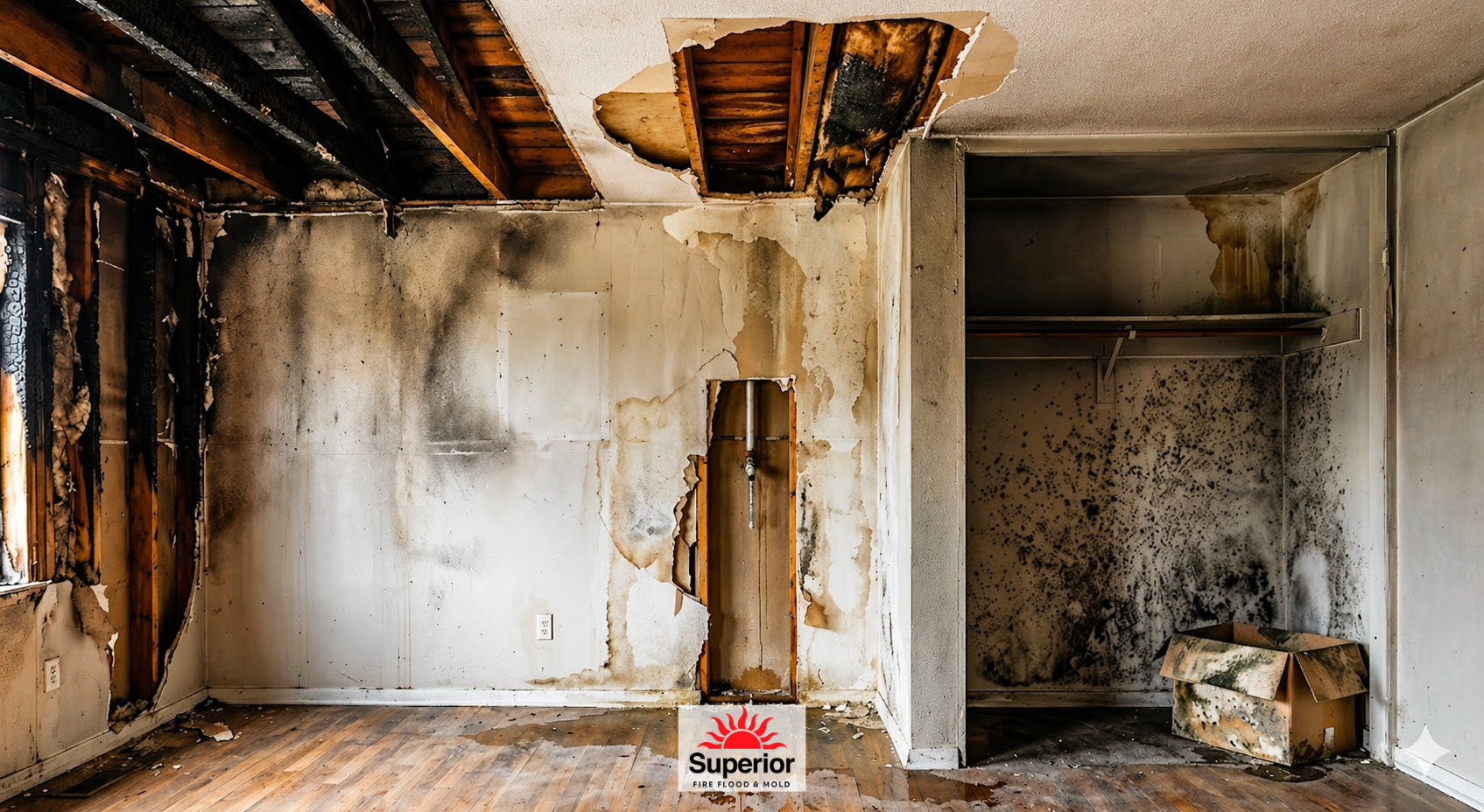
Moisture can also get trapped inside walls, leading to hidden mold. Just because you don't see water doesn't mean it's not there.
Design and Installation Problems
Appliances that aren’t installed right, no easy way to shut off water, and poor ventilation can all lead to hidden water problems. Dishwashers and fridges that are too snugly fit can cause condensation to build up. Over time, this can cause damage even if there's no leak.
Older homes and DIY installations are at higher risk because they might not have modern safeguards like braided hoses or automatic shut-offs. Regular check-ups can help catch these problems early.
Early Signs You Might Be Overlooking
Smells, Stains, and Surface Changes
A musty or mildew smell is often the first hint of hidden water damage. It's caused by mold growing in damp areas and usually shows up before you see any visible signs. Stains on ceilings or discolored baseboards are also warning signs.
If your flooring starts to warp, buckle, or feels soft, there might be water damage underneath. Even a small soft spot could mean bigger issues below the surface.
Utility Bills and Appliance Behavior
If your water bill is higher than normal, there might be a hidden leak. Appliances that make strange noises or take longer cycles may have internal leaks. Keeping an eye on your water use and checking appliances regularly can help catch leaks early.
Log your water use each month and look for sudden spikes. This, along with regular checks, can help you spot problems before they get worse.
Health Concerns from Mold
Mold can start growing within 24–48 hours of water exposure. Health effects vary, but the CDC provides helpful information on mold and health concerns.
If you or your family start having unexplained respiratory issues, it might be mold hiding inside your walls or floors. Consider getting a professional inspection to check for moisture and mold.
Tools Professionals Use to Detect Issues
Thermal Imaging
Thermal imaging helps find cooler areas where moisture is present. It can quickly scan your kitchen to find potential problem areas. While it doesn't confirm water damage, it helps target where to look closer.
Thermal imaging is often used with other tools for accurate detection. It's a quick and non-invasive way to start an inspection.
Moisture Meters and Hygrometers
Moisture meters check the amount of water in materials like wood and drywall. Hygrometers look at humidity levels in the air, which helps plan how to dry things out properly. These tools are used together to figure out a drying plan that works for your home.
Keeping track of moisture levels before and after drying helps ensure everything is properly dried and reduces the risk of future mold.
IoT Sensors and AI Monitoring
IoT sensors and AI technology are becoming more common in detecting leaks early. Small sensors placed around your kitchen can alert you to moisture changes, helping prevent bigger problems.
While these sensors don't replace professional inspections, they add an extra layer of protection, especially for vacation homes or when you're traveling.
What to Do Right Away
Stay Safe and Reduce Risk
If you find water damage, your first step is safety. Turn off electricity if water is near outlets or appliances, and avoid standing in water if you're unsure about electrical safety. If the leak is severe, shut off the main water supply to prevent further damage.
If you need to get into damaged areas, wear gloves and a mask. If there's sewage or contamination, stay away and call a professional.
Quick Fixes You Can Try
For small leaks, use buckets or pans to catch water and towels to stop it from spreading. Move furniture and valuables out of the wet area. Open windows and use fans to circulate air, but be careful; without proper drying, fans can spread moisture and mold.
Take photos and notes of the damage before doing anything. This helps with insurance claims and guides restoration teams.
When to Call in the Pros
If water affects structural areas, if there's contamination, or if drying will take more than 48 hours, call a professional. Restoration teams assess the damage, remove water, and set up drying equipment. Superior Fire Flood & More is available 24/7 for quick response.
Check out FEMA's site for more on what to do after water damage and working with professionals. Their resources are great for starting your recovery process.
Best Practices for Restoration
Effective Drying Techniques
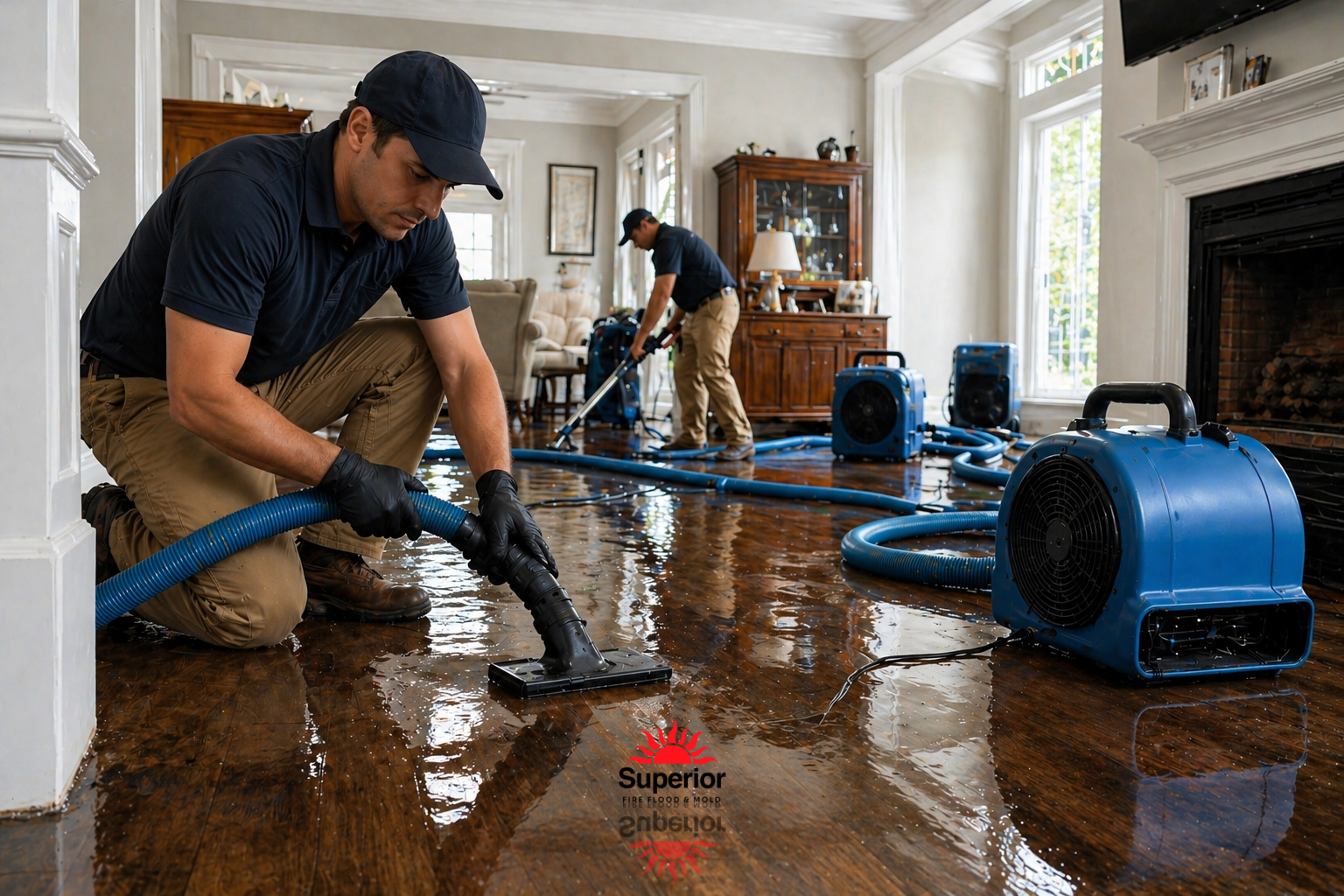
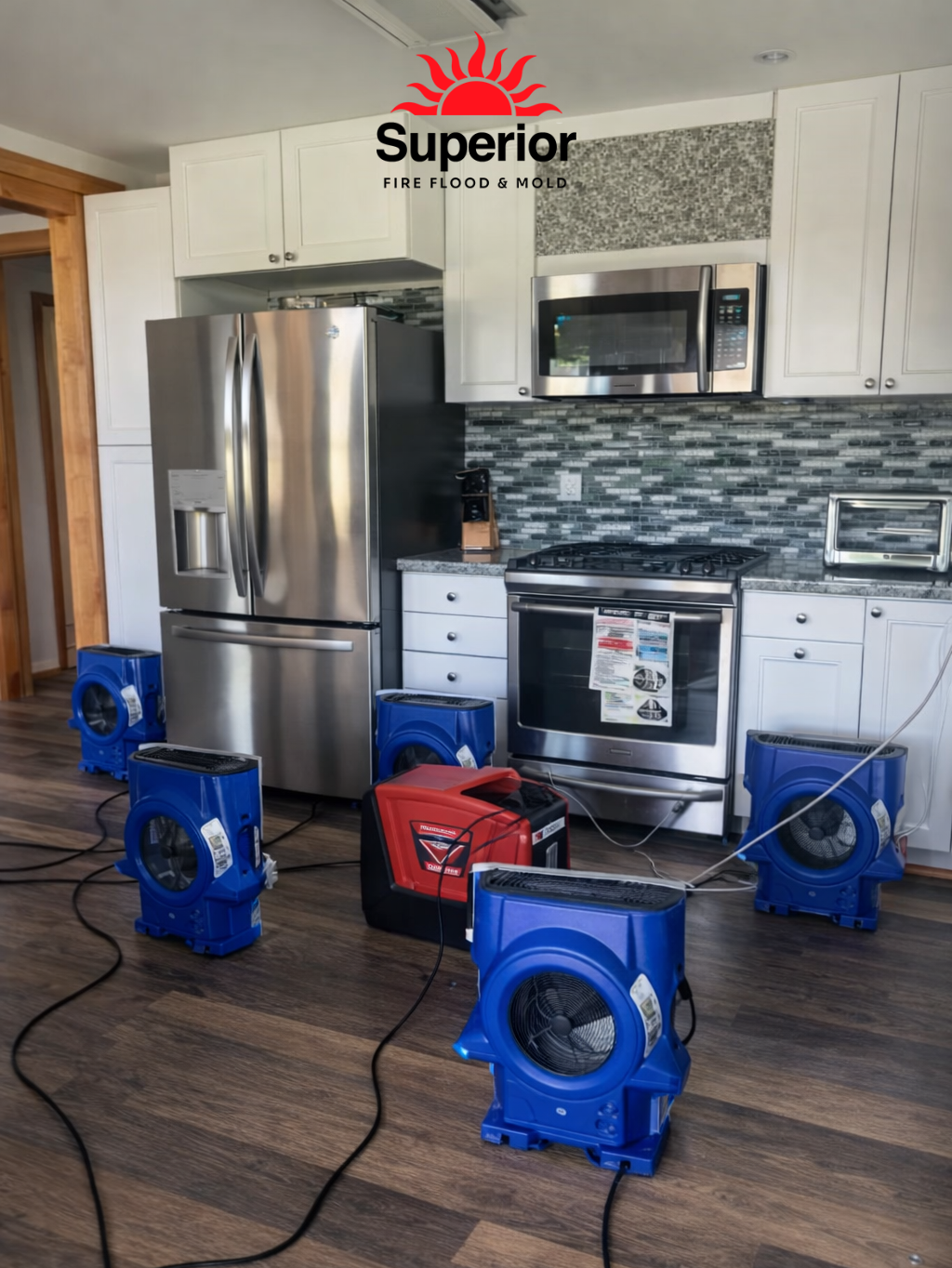
Good drying involves moving air with fans, using dehumidifiers to remove moisture, and controlling the environment. Restoration pros create a drying plan to get moisture out of walls, floors, and cabinets without spreading it to other areas.
Monitoring helps adjust the drying process. It's not just about getting rid of visible water but restoring materials to a safe moisture level to prevent mold.
Mold Remediation Steps
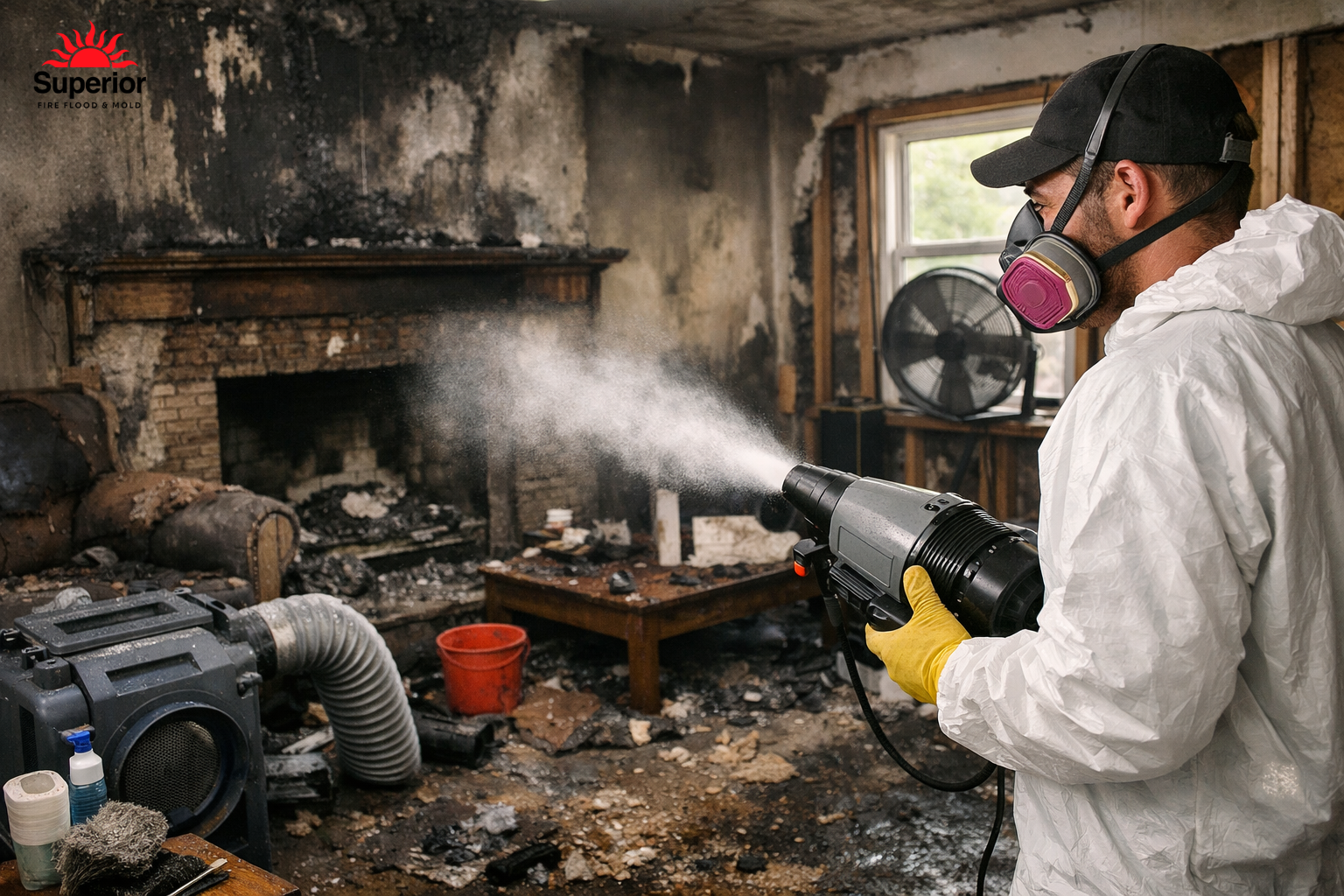
If there's mold, follow proper steps to remove it safely. This includes containment, air filtration, and removing affected materials. Check out the EPA for guidelines on mold issues and when to get professional help.
For mold remediation, our team offers certified services with clearance testing to ensure safe re-entry. Learn more about our mold remediation services.
Eco-Friendly Restoration
The restoration industry is moving toward eco-friendly options, like using energy-efficient equipment and sustainable materials. These choices not only help the environment but can also improve indoor air quality and reduce future maintenance.
Choosing local and low-VOC materials for rebuilding is a simple way to make restoration more responsible.
Real-World Examples
Slow Dishwasher Leak
A homeowner in Chicago found mold growing in kitchen corners. An inspection revealed a slow dishwasher leak that had gone unnoticed. Professional help was needed to remove mold and repair the damage. This case shows how small leaks can become big problems if left unchecked.
Restaurant Floor Leak
In a San Diego restaurant, a soft spot on the kitchen floor turned out to be a hidden drain leak. It caused significant damage and interrupted business operations. Regular inspections and quick fixes can prevent such costly repairs.
Missoula's Seasonal Risks
In Missoula, spring thaw and heavy rains increase the risk of water damage, especially in older homes. Homeowners should stay alert during these times and consider inspections to catch leaks early. Local restoration experts understand regional patterns and can offer effective advice.
For more on the restoration process, check out our article on the restoration workflow.
Preventative Tips for Homeowners
Regular Inspection Routines
Set up a regular schedule to check high-risk areas like under sinks and around appliances. Monthly visual checks and deeper inspections twice a year can help prevent surprises.
Before spring and after heavy rains, it's especially important to inspect these areas. Simple fixes like replacing old hoses and tightening fittings can save a lot of trouble later.
Easy Upgrades for Better Protection
Upgrading to stainless-steel hoses, installing automatic shut-offs, and using water sensors are cost-effective ways to reduce risk. Consider water-resistant materials in high-risk areas and make sure cabinets have removable panels for easy access in case of leaks.
Small upgrades can make a big difference in preventing water damage.
When to Call a Pro
If there's moisture in structural areas, mold growth, or ongoing leaks, it's time to call a professional. They offer quick water removal, proper drying equipment, and certified mold remediation. This also provides useful documentation for insurance.
For those in Missoula, Superior Fire Flood & More offers expert help with local knowledge and industry standards. We can inspect, fix, and restore while keeping you informed every step of the way.
FAQs and Troubleshooting
How to Detect Hidden Water Damage
Start with a thorough look around for discoloration, peeling paint, and soft spots. Listen for musty smells and monitor your water bill for spikes. Simple checks can help identify where to inspect further.
Check behind appliances and under sinks regularly. If you find signs of moisture, take photos and contact a pro right away.
When is Mold Remediation Needed?
Mold remediation is necessary when the area is large, moisture can't be controlled, or there are health concerns. Small, isolated patches might be handled at home, but bigger issues need professional help.
DIY attempts can spread mold and worsen health risks. Certified teams use safe removal techniques to handle contamination.
How Long Does Restoration Take?
The time varies based on damage extent and materials. Water removal and initial drying can take 24–48 hours, but full restoration might take longer. Mold remediation and rebuilding naturally extend timelines.
Tracking moisture and having a clear plan helps set expectations for homeowners and insurers. We keep you updated on progress at each stage.
Take Action
Hidden kitchen water damage is common but preventable. By knowing the risks, spotting early signs, and using checks and professional tools, you can stop problems before they grow. Eco-friendly and modern detection methods make resolving issues more effective.
If you suspect water damage, act fast: do safety checks, document the issue, and contact a pro. Superior Fire Flood & More offers fast help with water mitigation and mold remediation to keep your home safe.
For more on what to do after a flood, check out our guide on the first 72 hours post-flood. If you're in Missoula or nearby, call us anytime at (406) 519-3357 or email ashcraftservices@hotmail.com. Our certified team is ready to help.
Other helpful resources:
Regular inspections and quick action can save you from bigger headaches later. Contact us for local expertise and fast emergency help.