The Hidden Danger of Mold in Textured (Popcorn) Ceilings. Why You Shouldn't Clean It Yourself
Introduction: What this article will help you understand
What textured or popcorn ceilings are and why they exist
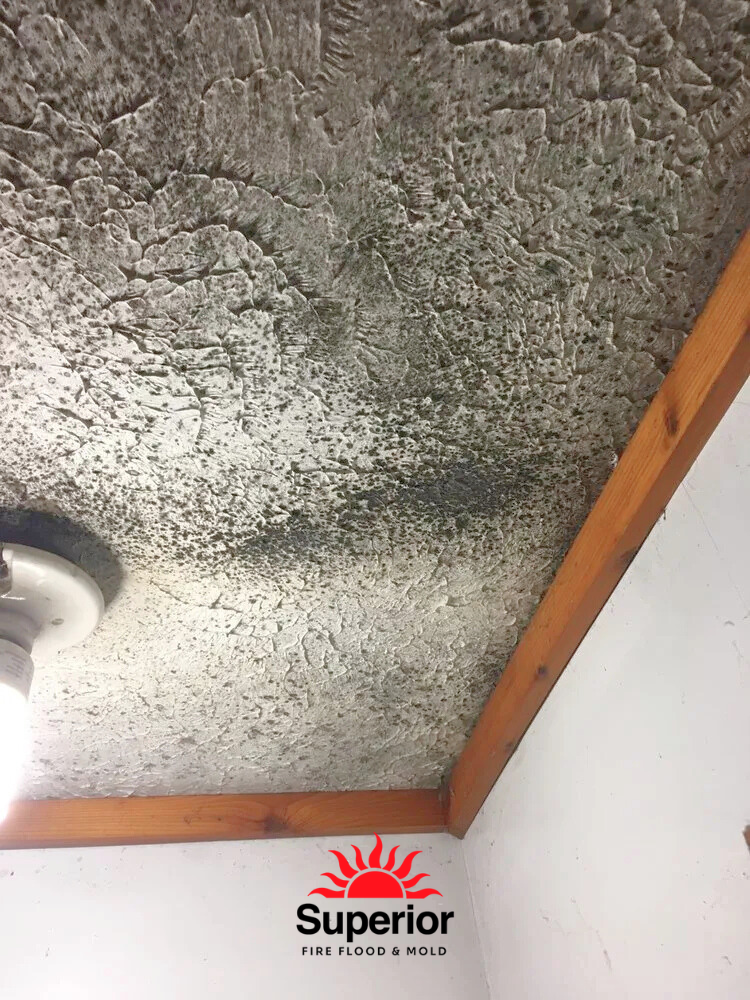
Textured ceilings, often called popcorn ceilings, were all the rage in homes built until the late 1970s and early 1980s. Builders liked them because they hid imperfections, improved soundproofing, and were quick to apply during the housing boom. However, these ceilings can be problematic today. Their rough, porous surface can trap moisture, dust, and organic matter. And unfortunately, this trapped moisture can lead to mold growth, making it tricky to clean up safely.
Why this topic matters for homeowners and renters
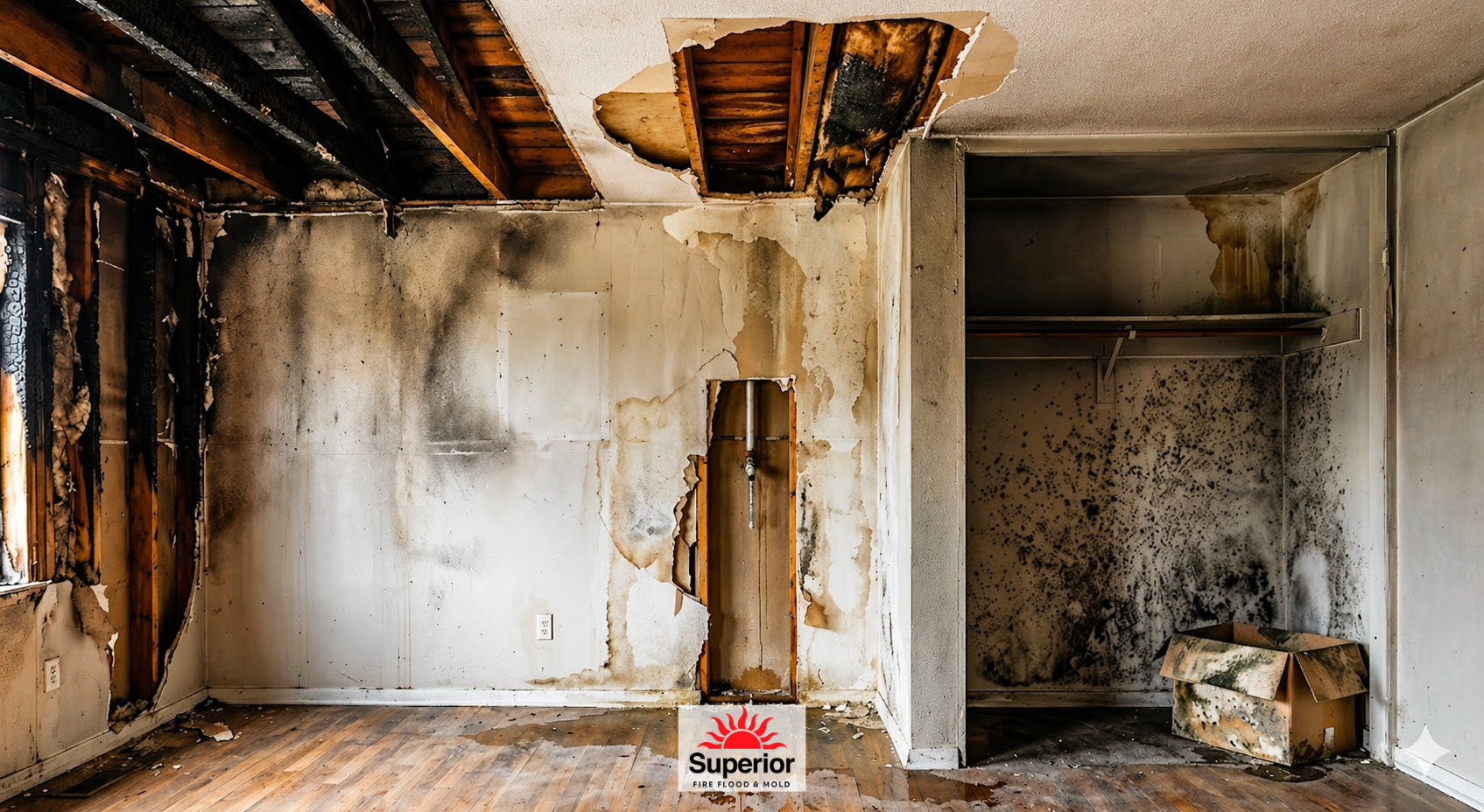
Mold on your ceiling isn't just an eyesore; it can mess with your indoor air quality, damage your home's structure, and pose health risks. Because ceilings are overhead, mold spores can easily disperse into your living space, upping everyone's exposure. Trying to tackle the mold yourself might just spread those spores around, disturb any hidden asbestos, and make things worse. So, it's wise to understand the risks, get a proper assessment, and choose safe remediation instead of going the DIY route.
How this post is structured and what you’ll learn
We'll break it down for you: the health risks of moldy textured ceilings, why DIY cleaning isn't safe, how experts assess and test for mold, safe ways to get rid of it, prevention tips, and what to do if you spot mold in your home. Plus, we'll share expert tips, industry practices, and handy resources so you can make informed choices. If you need immediate help, think about reaching out to professionals who offer comprehensive mold remediation services to keep things safe and sound.
Health Risks Associated with Mold in Textured Ceilings
Allergic reactions and irritation
Mold spores are like little allergens that can make you sneeze, itch, and get a stuffy nose or skin rashes if you're sensitive. With their textured surfaces, popcorn ceilings can hide mold in all those little crevices, releasing spores into the air now and then. Even low-level exposure can worsen chronic issues like allergies or eczema and make home life uncomfortable. If anyone in your household has recurring allergy symptoms that flare up indoors, it's time to check for mold, including on ceiling finishes.
Respiratory problems and elevated risk for people with asthma
If mold is growing in your home, you might notice more coughing, wheezing, and trouble breathing. People with asthma or other respiratory issues are especially at risk since mold can trigger attacks and ramp up symptoms. Mold from textured ceilings is often inhalable and can worsen these conditions if not handled. Medical advice and proper mold removal can help lessen the chance of ongoing respiratory problems.
Infections and risks for immunocompromised people
Those with weakened immune systems are at a higher risk of fungal infections from mold exposure. While most healthy folks can handle low levels of mold without getting seriously ill, immunocompromised people might face more severe infections that need medical attention. Homes with persistent ceiling moisture and mold growth are particularly risky, so getting a professional assessment and targeted remediation is key to keeping vulnerable occupants safe. Removing the mold and fixing the moisture issue is crucial to lower the infection risk.
Neurological and chronic effects from long-term exposure
There’s some evidence that long-term exposure to certain molds can lead to headaches, memory problems, and trouble concentrating. While research continues, many reports link these symptoms to moldy environments. Since textured ceilings can hide mold for a long time, you might unknowingly be exposed to low levels. This highlights the importance of getting a professional evaluation when symptoms persist and mold is suspected indoors.
Why DIY Cleaning of Moldy Popcorn Ceilings Is Not Recommended
The asbestos risk with older popcorn ceilings
Popcorn ceilings installed before 1980 might contain asbestos, a hazardous material once used in building products. Disturbing asbestos can release tiny fibers that, if inhaled, increase the risk of lung disease and cancer over time. A visual inspection can't reliably tell if asbestos is present; only lab testing can. Because cleaning or scraping these ceilings can disturb the material, you shouldn't attempt major cleanup without professional testing and, if needed, certified abatement procedures. Check out the Environmental Protection Agency's guidelines for more on this.
Ineffectiveness of typical household cleaning methods
Household cleaning methods like scrubbing with bleach, spraying cleaners, or light vacuuming rarely remove mold entirely from porous, textured finishes. Popcorn ceilings have lots of tiny pockets where mold can hide, and disinfectants might not reach effectively. Even if surface stains fade, mold can remain and continue to release spores, causing more growth and exposure. Professional remediation uses methods designed to remove or contain the mold safely instead of just masking the problem.
Health hazards from inadequate PPE and disturbance
Home attempts at cleaning mold often lack the right containment and protective gear, making it more likely you'll inhale spores or spread contamination. Without proper equipment like HEPA-filtered vacuums, full respirators, and protective clothing, you can experience acute exposure and carry spores on your clothes. Professionals are trained to use containment strategies and specialized equipment to minimize airborne spread during cleanup. Using inexperienced methods can turn a manageable issue into a bigger contamination event, which is costlier to fix.
How Professionals Assess and Test Textured Ceilings
Comprehensive visual and moisture assessment
Professional restoration teams start with a thorough inspection, looking for visible mold, water stains, and signs of leaks. They check attic spaces, roof areas, plumbing, and HVAC systems to find out what's causing the moisture. Tools like moisture meters and infrared cameras help detect hidden damp spots you can't see with the naked eye. Fixing these moisture sources is as important as removing the mold because if you don't control the water, the mold will just come back.
Air and surface sampling when indicated
If the extent of mold is unclear or people are experiencing health symptoms, experts might suggest air or surface sampling to document mold types and levels. Sampling helps define the problem's scale, guides the remediation strategy, and provides documentation for insurance or healthcare professionals. Samples go to accredited labs to differentiate between common background molds and excessive indoor contamination. Sampling isn't always necessary, but it's crucial if asbestos is a concern or in complex commercial settings.
Asbestos testing protocols and legal safety steps
If your popcorn ceiling is from before 1980 or there's any suspicion of asbestos, licensed testing is needed before disturbing the texture. A certified assessor will take small samples and send them to a lab for analysis. If asbestos is present, abatement must follow local and federal regulations, requiring licensed contractors and specific procedures. Hiring pros who handle both asbestos abatement and mold remediation protects everyone and ensures compliance with regulations, reducing health risks.
Standards and certifications to look for
When choosing contractors, look for those with recognized certifications like those from the Institute of Inspection, Cleaning and Restoration Certification (IICRC). Certified pros follow protocols for containment, removal, and verification of remediation outcomes, and they have insurance and safety programs. Certifications mean the team has formal training on mold and hazardous building materials. Ask about training, insurance, and documented procedures to find trustworthy service providers.
Safe Remediation Techniques for Textured Ceiling Mold
Containment, negative air, and PPE
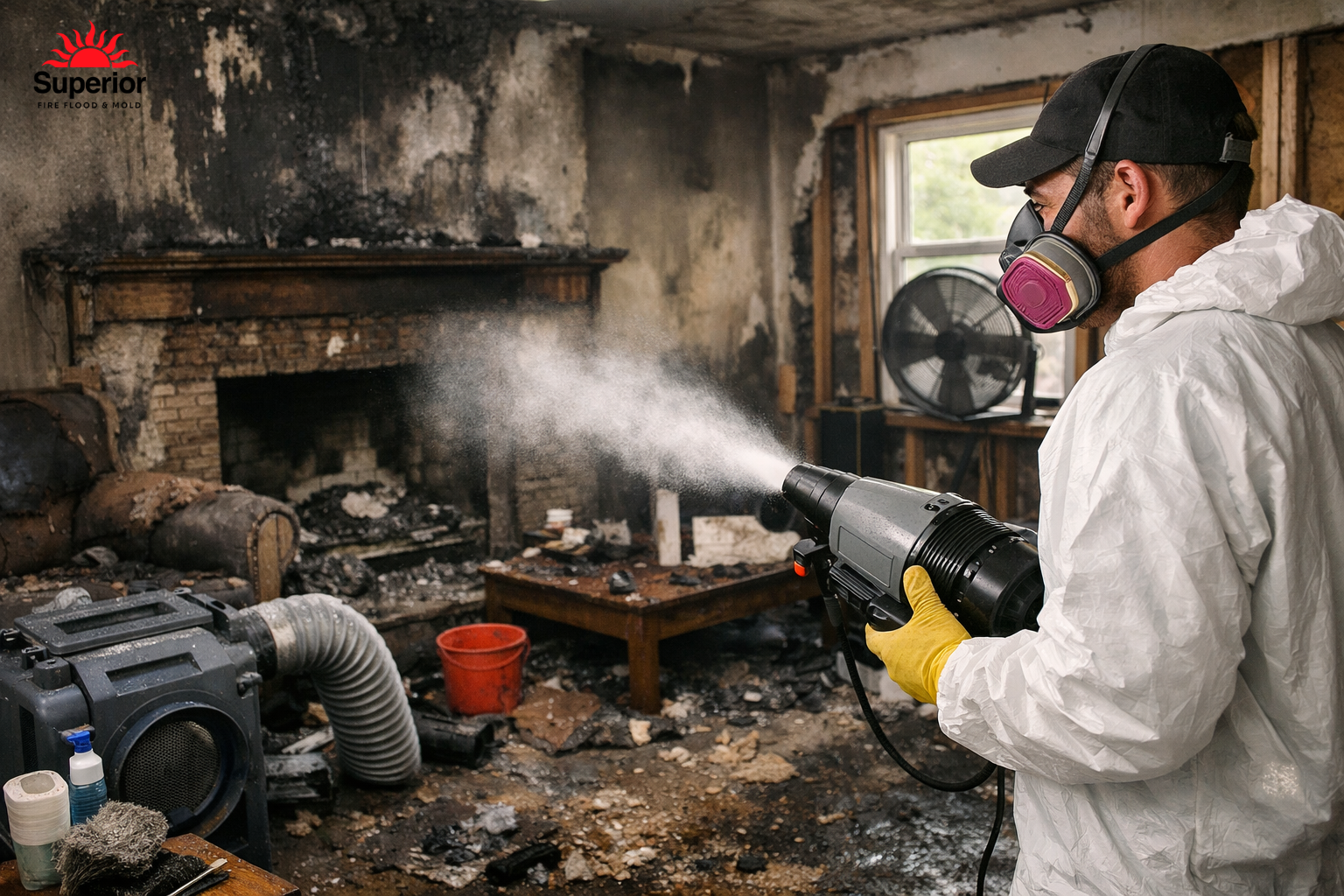
Professional mold removal starts with containment to keep the affected area isolated and prevent spores from spreading. Technicians use negative air machines with HEPA filters to capture airborne particles and create controlled airflow away from living areas. Workers wear protective gear like respirators, suits, gloves, and eye protection to reduce exposure risk. This setup ensures safe remediation with minimal risk to everyone involved and reduces the chance of spreading mold to other rooms.
Removal vs. encapsulation: choosing the right approach
Depending on the ceiling's condition and any hazardous materials, experts might suggest either full removal of the texture or careful encapsulation and repair. If asbestos is present, removal must be done by certified contractors following strict procedures. In some cases, if asbestos tests negative and mold is limited, just the contaminated material can be removed and the ceiling base repaired. Sometimes, encapsulation, applying specialized sealants after remediation, is used when removal would cause too much damage. The decision considers health, structure, cost, and prevention.
HEPA vacuuming, antimicrobial treatments, and drying
After removing moldy texture, crews clean surfaces with HEPA vacuums to capture any remaining spores and apply EPA-approved antimicrobial agents as needed. Thorough drying with industrial equipment follows to eliminate leftover moisture that could cause regrowth. Technicians often monitor humidity and moisture levels to ensure they're safe before final repairs and painting. Post-remediation air clearance testing verifies the space is safe to use again and confirms the remediation worked.
Documentation and client communication
Professional companies provide documentation of the work done, test results, remediation steps, and clearance outcomes so clients and insurers have a clear record. Clear communication about findings, strategies, timelines, and potential impacts helps reduce homeowner anxiety. Documentation also serves as a reference for future buyers, insurance claims, or medical consultations if health issues were involved. Picking a company that values clear communication ensures expectations align and the project ends satisfactorily.
Prevention and Maintenance: Reducing the Risk of Recurrence
Control moisture sources and improve drainage
Stopping mold before it starts means controlling moisture: fix roof leaks, ensure good attic ventilation, maintain flashing and gutters, and promptly fix plumbing issues. In places like Montana, attic condensation and ice dams can push moisture into ceiling areas if roofs aren't in good shape. Regular checks for leaks and fast responses to any water issues dramatically lower the chance of future ceiling mold. Homes that tackle drainage and roof issues head-on cut down on long-term mold costs and health risks.
Ventilation, HVAC maintenance, and humidity control
Good ventilation, properly sized HVAC systems, and dehumidification where needed keep indoor humidity at levels that don't support mold growth. Regular HVAC filter changes, duct cleaning as needed, and making sure exhaust fans vent outside (not into attics) are easy ways to keep things dry. Humid climates or rooms with lots of water use, like bathrooms and kitchens, benefit from continuous exhaust fans and extra dehumidifiers. Monitoring indoor humidity with affordable hygrometers helps homeowners spot trouble early and fix problems before mold takes hold.
Inspections and maintenance schedule
Schedule regular inspections of roofs, attics, crawlspaces, and plumbing to catch small problems before they become big mold problems. After severe weather, ice, or roof work, check ceilings for stains, peeling paint, or new spots that might signal hidden leaks. Keeping a log of inspections and repairs helps building owners spot recurring trouble spots and prioritize fixes. Regular maintenance is often cheaper and less disruptive than repeated mold cleanups and keeps indoor air quality healthy over the long run.
What to Do If You Find Mold in Your Popcorn Ceiling
Immediate steps to protect occupants
If you see mold or notice persistent moldy smells, act quickly to reduce exposure. Keep people away from the affected area, avoid disturbing the ceiling, and move vulnerable folks like kids, the elderly, or immunocompromised individuals if symptoms show up. Turn off central air systems to stop spore spread until a professional checks things out, and ventilate by opening windows when possible. These steps help minimize further spread and reduce acute exposure risks while you arrange for a professional evaluation.
When to call professionals and who to contact
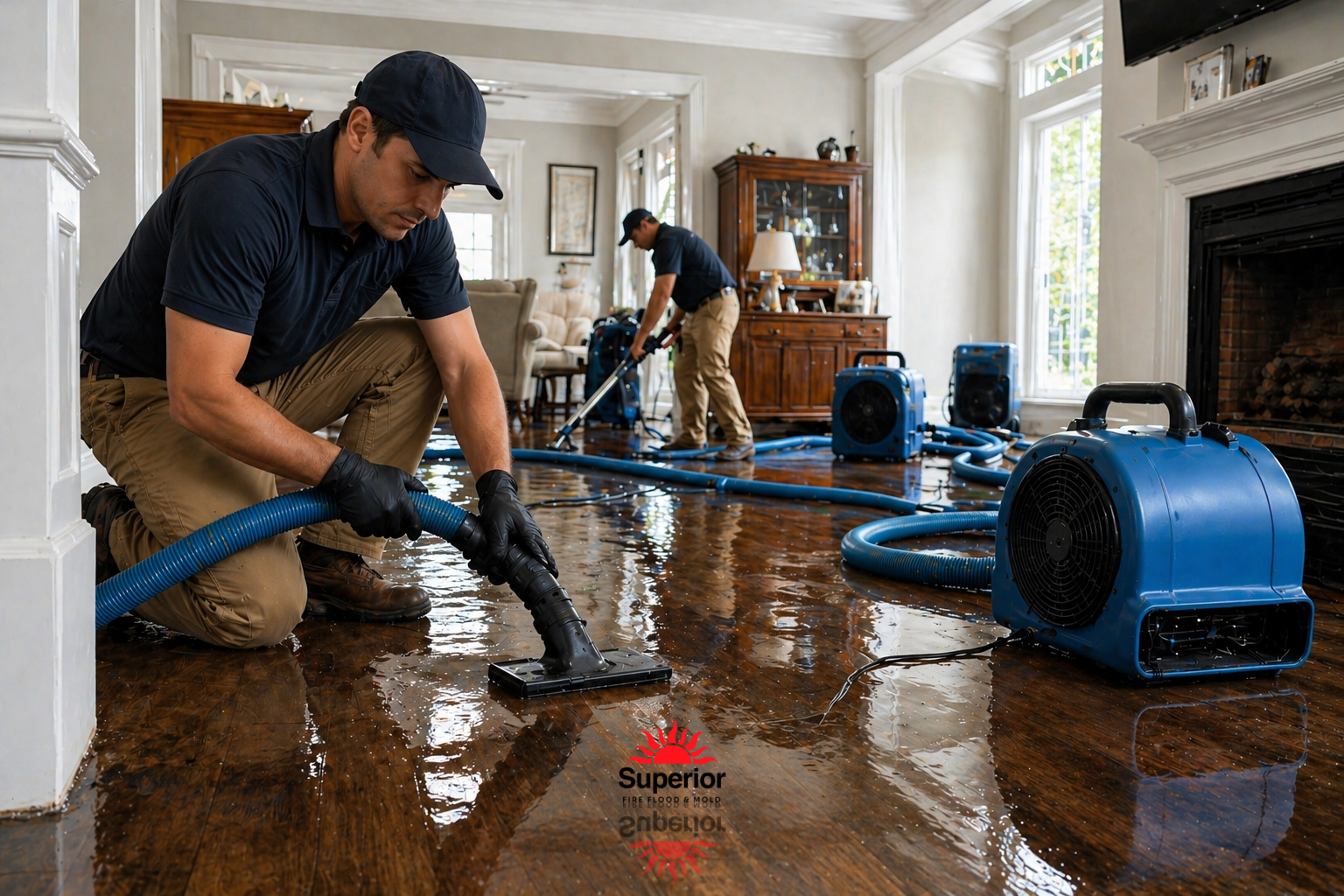
Call certified restoration pros right away if mold covers large areas, if the ceiling might have asbestos, or if health symptoms seem linked to indoor air quality. Companies with experience in water mitigation and mold remediation can assess the moisture source, do necessary testing, and plan a proper cleanup. For water-related issues, quick intervention by water damage experts lowers the chance of mold spreading, so think about contacting water mitigation specialists, too. In the Missoula area, trained local teams are ready to respond quickly to both water and mold concerns.
Choosing a qualified remediation company
Choose a company that's insured, IICRC-certified, and open to providing references, project documentation, and a clear work scope. Ask about their asbestos testing protocols, containment methods, PPE, and post-cleanup testing to make sure they follow best practices. You should get written estimates and explanations for recommended actions, along with timelines and possible impacts. A good remediation partner educates, documents steps, and leaves the property safe and dry.
Frequently Asked Questions (FAQ)
How can I tell if a popcorn ceiling contains asbestos?
You can't tell just by looking; only lab analysis of a sample can confirm asbestos. A licensed professional can safely take small samples. If your place was built or remodeled before 1980, consider textured ceilings as potentially containing asbestos until tested. Based on the results, a certified abatement plan will outline removal or encapsulation options.
Can I paint over a moldy popcorn ceiling to hide stains?
Painting over mold without fixing it isn't recommended because paint can trap moisture and hide the problem while mold keeps growing underneath. Concealing mold prevents proper drying and monitoring, which might speed up material damage. Proper remediation requires removing or inactivating the mold, addressing moisture sources, and ensuring everything's dry before repainting. A professional will explain when painting is okay and use safe protocols.
What are typical costs and timelines for remediation?
Costs vary depending on the mold's extent, presence of asbestos, accessibility, and whether structural repairs are needed. Small, contained mold issues without hazardous materials might be resolved in days, while complex projects could take weeks. A professional assessment gives a realistic scope and timeline and can often be expedited when emergency water mitigation is needed to stop more mold growth. Hiring qualified pros reduces recurring problems and often lowers total costs.
Conclusion and Next Steps
Key points to remember
Mold in textured ceilings is a health and safety issue you shouldn't tackle casually or with DIY methods. Popcorn ceilings can trap moisture and mold, and older ones might contain asbestos, turning a simple cleanup into a potentially hazardous project. Professional assessment, safe remediation, moisture control, and prevention form a solid strategy for keeping occupants safe and preserving the property. When in doubt, rely on certified technicians who follow industry guidelines and provide documentation of their work.
How Superior Fire Flood & More can help
Superior Fire Flood and Mold brings over three decades of local restoration experience to Missoula and surrounding communities, with certified teams ready to respond 24/7 for water mitigation, testing, and remediation. Our technicians coordinate testing for mold and asbestos, implement containment and safe removal procedures, and document the remediation with post-clearance testing so you have confidence in the results. If you suspect mold in a textured ceiling, contact our experts for a prompt, thorough evaluation and remediation plan tailored to your situation; we specialize in coordinated water mitigation and mold control to stop problems at the source.
Call to action
If you have concerns about a popcorn ceiling in your home or business, don’t delay—reach out for a professional assessment to protect your family and property. Our team at Superior Fire Flood and Mold is available to inspect, test, and remediate mold safely and efficiently, and we provide clear documentation for your records. Call us at (406) 519-3357 or email ashcraftservices@hotmail.com to schedule an inspection, and learn more about our full range of restoration services including fire recovery and long-term prevention. For additional reading on what to expect shortly after water damage and why full restoration is more than cleaning, see our practical resources like the guide on the first 72 hours after a home flood to better prepare for next steps.
Further authoritative resources
For reputable information on mold and health, the Centers for Disease Control provides guidance on mold cleanup and health effects which is useful background for homeowners and professionals alike: CDC Mold Cleanup Guidance. For information on asbestos safety, regulations, and testing requirements consult the Environmental Protection Agency's resources on asbestos to understand federal recommendations and restrictions: EPA Asbestos Information. Professionals in the restoration industry follow standards and certifications maintained by the IICRC; learn more about industry best practices and credentialing at the IICRC site: IICRC. These authoritative resources help homeowners understand regulatory context and health considerations as they make remediation decisions.
Remember, when mold is suspected in a textured ceiling, the safest, most effective course is professional assessment and remediation rather than DIY cleaning. Protect your home's air quality and your family's health by choosing certified technicians and following a documented remediation plan that addresses both contamination and moisture sources so the problem does not return.